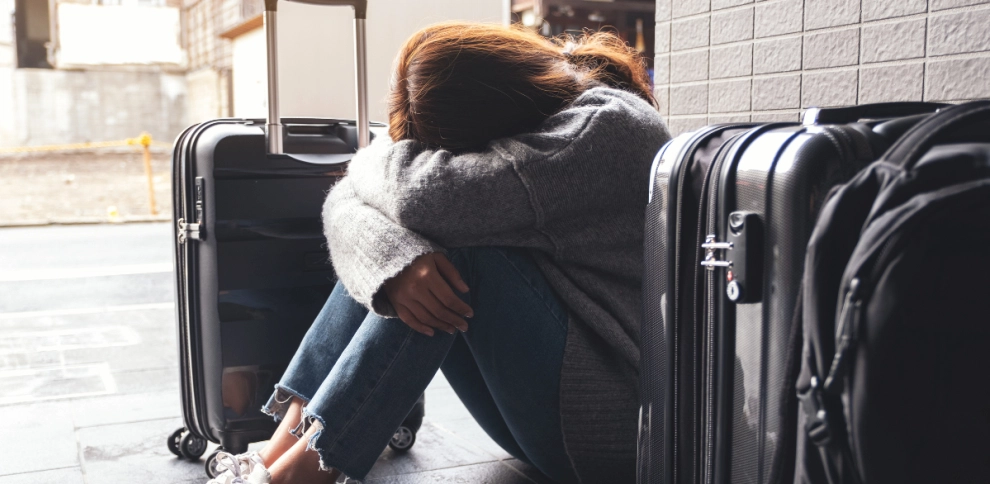
Feeling uneasy before or during a trip can include fear, body tension, panic symptoms, nausea, or avoidance. Travel anxiety may come from fear of the unknown, loss of control, past stressful trips, being away from familiar routines, or safety concerns. It can affect planning, air travel, public transit, hotels, crowds, and new places.
Support may include planning ahead, maintaining routines, using grounding tools, taking deep breaths, taking small steps, therapy, and medical care when symptoms feel strong. A person may also need to understand how fear connects to avoidance, control, trauma, and the body’s fight or flight response. MyPsychotherapy shares mental health education clearly and carefully.
Key Takeaways
- Travel anxiety can cause fear, body tension, nausea, panic symptoms, or avoidance before and during a trip.
- Common triggers include fear of the unknown, loss of control, past stressful trips, air travel, and being away from familiar routines.
- Coping tools may include planning ahead, keeping routines, using grounding exercises, and taking small practice steps.
- Therapy may help when fear causes canceled plans, panic attacks, family stress, or problems at work or school.
- Medication may help some people, but a qualified medical professional should first review symptoms, medical history, and safety factors.
What Is Travel Anxiety?
This type of anxiety is fear, worry, or distress linked to getting ready for a trip, starting a trip, or being away from home. It may happen during flights, car rides, hotel stays, crowded places, or new settings outside a person’s comfort zone. Some people feel mild stress, while others have panic symptoms, stomach issues, nausea, or strong avoidance.
Travel Anxiety Causes
Travel-related fear often comes from uncertainty, loss of control, past stress, or fear of being far from home. The mind may focus on a worst-case scenario, even when the trip is not unsafe. Fear of flying can also play a role, especially when a person feels trapped or unable to leave.
Other causes may include:
- Crowds or noise
- Motion sickness
- Fear of getting sick
- Sleep changes
- Public embarrassment
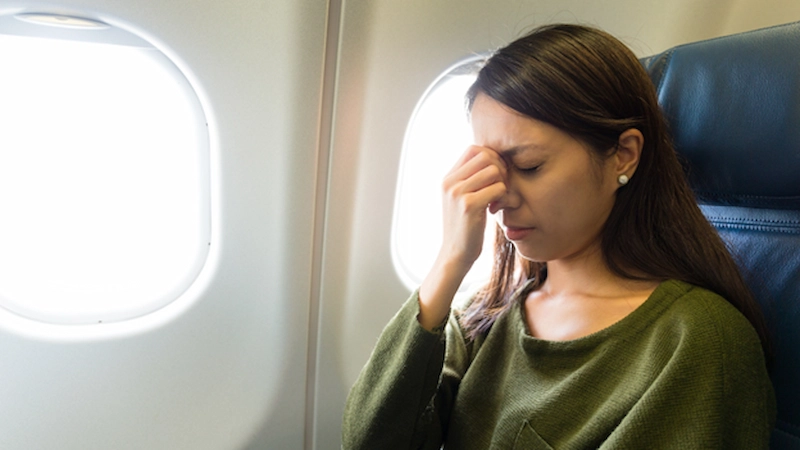
Why Do I Get Anxiety Every Time I Travel?
A person may feel anxiety when traveling because the body remembers past fear or panic. The brain may start to expect danger before the trip begins. Over time, leaving home can become linked with fear, even when the person wants to go.
What Are the Symptoms of Travel Anxiety?
Symptoms can affect the body, thoughts, mood, and actions, including patterns linked to somatic anxiety. Common signs include racing thoughts, tense muscles, sweating, shaking, irritability, restlessness, nausea, stomach pain, trouble sleeping, and avoidance.
Some symptoms can look like medical issues, so new or severe physical symptoms should be discussed with a healthcare professional.
Other signs may include:
- Dry mouth
- Dizziness
- Fast heartbeat
- Trouble focusing
- Urge to escape

Related Stomach Issues and Nausea
Stress can affect digestion because the brain and gut communicate with each other. When the body enters a fight-or-flight state, digestion may slow or speed up, which can lead to nausea, cramps, urgency, bloating, changes in appetite, or anxiety diarrhea.
These symptoms can increase fear when a person worries about being far from a bathroom, getting sick in public, or needing medical help during the trip.
Travel Anxiety in Children, Teens, and Autism
Children and teens may show fear through stomachaches, crying, anger, sleep trouble, or refusal to leave because they may not know how to express it clearly. In autism, travel can feel harder when routines change, sensory input increases, or plans become unclear.
New foods, loud spaces, crowds, waiting, and sudden schedule changes can raise distress. Clear plans, quiet breaks, visual schedules, and familiar items can help the child know what to expect and feel steadier.
How Do I Stop Being Anxious About Traveling?
A helpful plan starts before the trip. The goal is not to force calm, but to lower uncertainty and build coping skills. Grounding tools, steady routines, a deep breath, mindfulness exercises for anxiety, and small practice steps can help a person stay in the present.
A Simple Travel Anxiety Checklist
- Before the trip: pack early, review the route, confirm key details, and plan extra time.
- During the trip: use grounding, breathe slowly, eat regularly, and limit repeated reassurance-seeking.
- After the trip: notice what went better than expected and what still needs support.
What Is the 3-3-3 Rule for Anxiety?
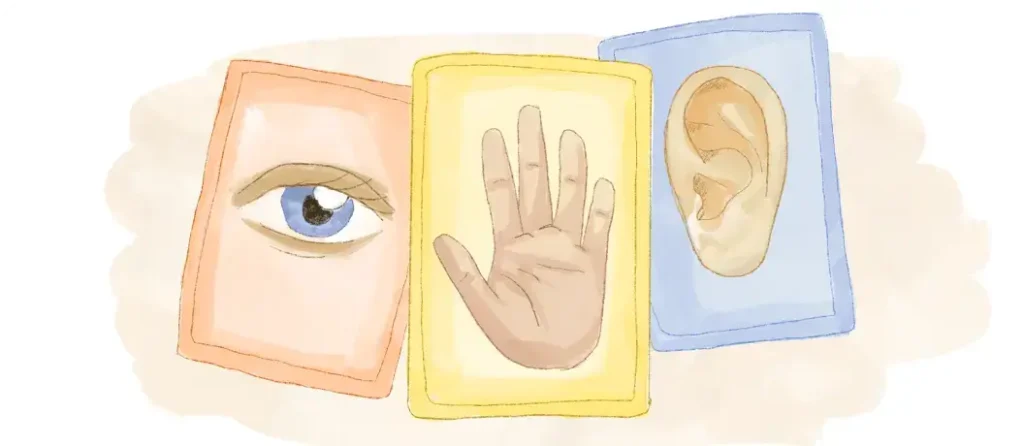
The 3-3-3 rule for anxiety is a simple grounding exercise. A person names three things they see, three sounds they hear, and moves three parts of the body. This can help slow racing thoughts in airports, cars, hotels, or crowded places.
Travel Anxiety Treatment
Treatment may include therapy, coping skills, small practice steps, and medical care when needed. Therapy may explore fears of danger, being away from home, loss of control, panic, shame, or helplessness. Care should also look at trauma history, relationships, current stress, and other mental health conditions.
Therapy and Medication
Therapy can help a person understand what triggers the fear, how the body responds to stress, and how avoidance keeps the fear active. It may also explore why leaving familiar places feels unsafe, especially when anxiety connects to trauma, control, separation, or past panic.
Anat Joseph, LCSW, PsyA, is a licensed clinical social worker and psychoanalyst whose background supports work with anxiety, trauma, control, and relational safety. Medication may help some people manage intense symptoms, but it should be discussed with a qualified medical professional who can review health history, risks, and proper use.
Travel Anxiety ICD-10
This anxiety does not always have one single ICD-10 code. A clinician may consider related diagnoses, such as specific phobia, panic disorder, generalized anxiety disorder, adjustment disorder, or trauma-related conditions. The correct classification depends on symptoms, duration, triggers, impairment, and clinical history.
FAQs about Travel Anxiety
Yes, it can trigger panic attacks in some people. Symptoms may include a racing heart, shortness of breath, shaking, dizziness, nausea, and fear of losing control.
Symptoms can decrease with the right support, practice, and care plan. Some people improve through coping tools and small practice steps, while others need therapy or medical input.
Prepare early, reduce last-minute choices, practice grounding, and name the specific fear. If fear stays intense or keeps coming back, professional support can help clarify the pattern.
Because Your Happiness Matters