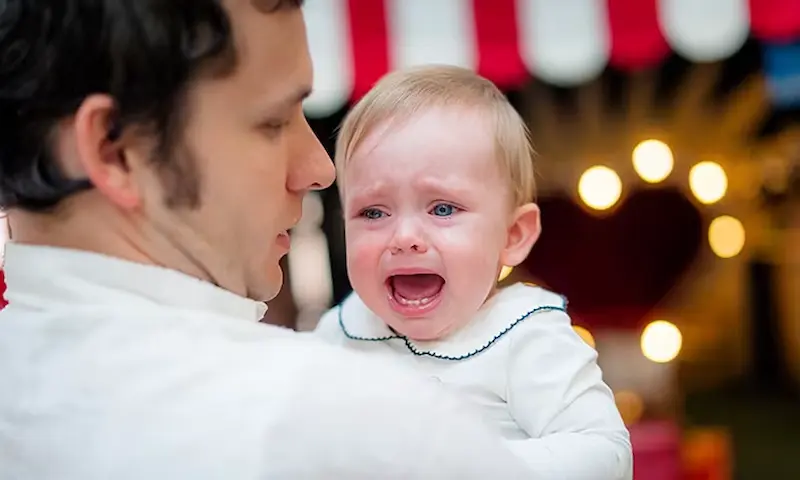
Stranger anxiety is a normal developmental stage in which babies and toddlers feel fear, hesitation, or distress around unfamiliar people. It often starts between 5 and 9 months, may peak between 6 and 12 months, and usually improves by age 2, though some children need more time.
This behavior can signal healthy child development because the child is learning to recognize caregivers, form attachments, and distinguish the familiar from the unfamiliar. Parents can help by staying calm, introducing new people slowly, and respecting the child’s pace.
At MyPsychotherapy, families can receive support when fear feels intense, lasts longer than expected, or begins to affect daily life.
Key Takeaways
- Stranger anxiety is a common developmental response in which children feel fear, hesitation, or distress around unfamiliar people.
- It often starts in infancy, may become stronger around 12 months, and usually improves as children gain memory, trust, and social confidence.
- Common signs include crying, clinging, hiding, freezing, turning away, or refusing to interact with new people.
- Parents can help by staying calm, introducing people slowly, avoiding forced greetings, and respecting the child’s pace.
- Professional support may be helpful when fear becomes intense, persists longer than expected, or affects childcare, school, relationships, or daily routines.
What Is Stranger Anxiety?
This response is distress that appears when a child sees, meets, or is approached by someone unfamiliar. The child may cry, hide, cling to a primary caregiver, or refuse to interact. This response often reflects growing awareness, not poor behavior.
The stranger anxiety psychology definition refers to a child’s fear or distress around unfamiliar people. In psychology, this reaction connects to attachment, memory, emotional regulation, and social awareness. A child is learning who feels safe and who feels unknown.
A simple example is a baby crying when a grandparent visits after several months away. Another example may occur at a child care center when a toddler feels comfortable with familiar teachers but becomes upset around a substitute teacher. The baby is responding to unfamiliarity, not rejecting the person.
When Does Stranger Anxiety Start?
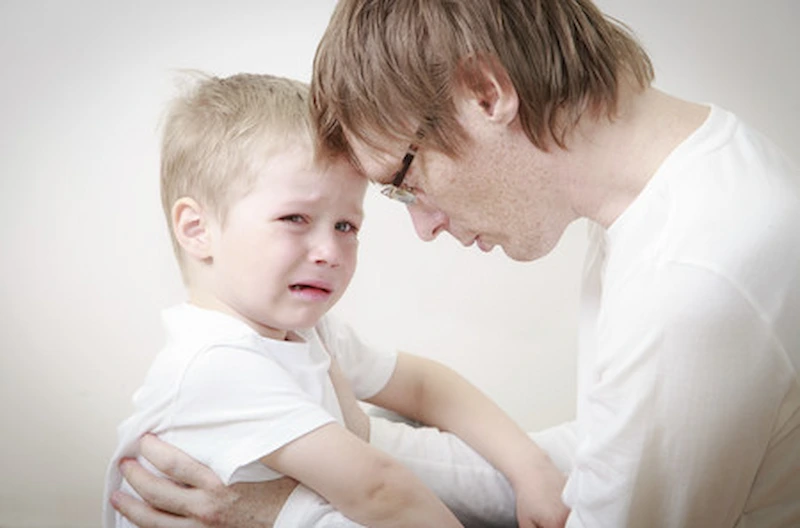
The development of this fear response often begins in the second half of the first year. Some babies show mild stranger wariness earlier, while others react more strongly near 12 months. Parents may notice different levels of stranger anxiety depending on sleep, hunger, setting, and the person approaching the child.
Baby stranger anxiety at 4 months can happen, but it may reflect early preference, overstimulation, or discomfort with new voices and faces. It often becomes clearer later, when memory and recognition are more developed. Some children need more time, while others warm up faster.
This developmental stage may last a few months or continue into toddlerhood. A shy or sensitive child may need slow introductions after age 2. The key question is whether fear decreases with support or starts to limit daily life.
Signs of Stranger Anxiety
These signs can appear in the body, behavior, and mood. These reactions often become stronger in situations parents face often, such as family gatherings, doctor visits, daycare drop-offs, or meeting a new babysitter.
Common signs include:
- Crying, clinging, hiding, or turning away.
- Becoming quiet, freezing, or refusing to speak.
- Reaching for a parent for comfort.
- Resisting being held by someone new.
- Refusing greetings or eye contact.
- Worrying before social events.
In babies, these signs may appear when someone unfamiliar approaches, tries to hold them, or enters their space too quickly. Babies may also react when parents leave the room. As object permanence develops, the child begins to understand that a caregiver still exists when out of sight, which can make separation anxiety and stranger anxiety feel stronger.
In toddlers, these reactions may appear during greetings, childcare drop-offs, or visits with relatives and family friends. Older children may show discomfort before new social settings or when expected to interact with people they do not know well. These signs may overlap with shyness, social anxiety, or anxiety disorders when fear becomes intense or persistent.
Stranger Anxiety vs Separation Anxiety
These two forms of anxiety can look similar, but the trigger is different. This type of anxiety happens when a child feels distressed around unfamiliar people. Separation anxiety happens when a child feels distressed when separated from a parent or caregiver.
A child can experience both types of anxiety at the same time. If a baby cries when a new caregiver reaches for them, the reaction may reflect fear of unfamiliar people. If a toddler cries when the parent leaves the room, even with a familiar grandparent nearby, the reaction may reflect separation anxiety.
Why Stranger Anxiety Happens
This kind of anxiety can happen because children are learning how to read people, places, and safety cues. Their brains are developing memory, recognition, and emotional responses. This helps them notice who feels familiar and who feels new.
Attachment also plays a major role. When a trusted adult stays close, a child can explore with more confidence. When someone unfamiliar approaches, the child may return to the caregiver for comfort.
Family routines can shape how this type of anxiety appears. A child who often sees relatives may warm up faster to new people, while a child with a smaller daily circle may take longer to warm up. Culture also matters because some families expect quick greetings, while others allow children to observe first.
How to Help Stranger Anxiety
Parents can help by creating slow, predictable introductions. The child should not feel forced to hug, talk, or sit with someone before feeling ready. Pressure can heighten fear and make the child more resistant.
Helpful steps include:
- Stay close during introductions.
- Let the child watch first.
- Ask adults to approach slowly.
- Use a calm voice.
- Avoid forced hugs or greetings.
- Praise small steps toward comfort.
This type of anxiety usually does not need a cure because it is often a normal developmental phase. The better goal is support, patience, and gradual confidence. Most children improve as they gain trust and experience.
Parents can use short phrases that help the child feel safe. For example, they can say, “You can watch first,” “I will stay with you,” or “You do not have to hug.” These phrases reduce pressure and help the child feel understood.
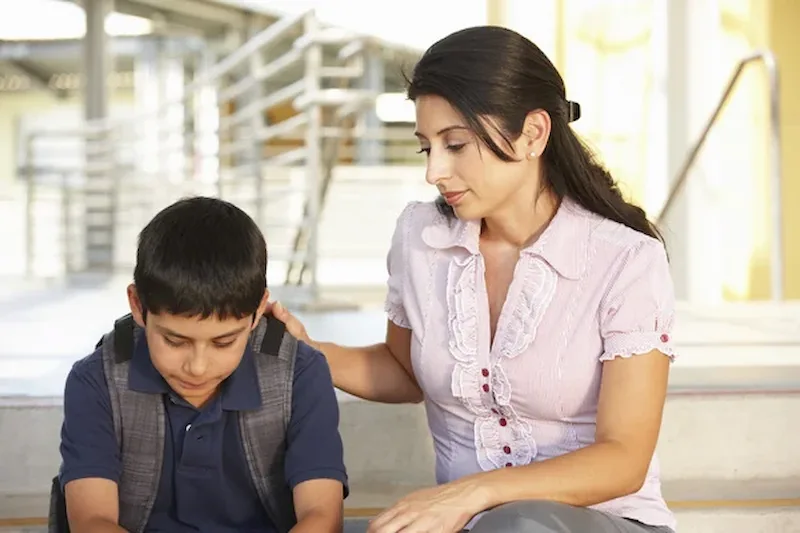
Slow introductions also help with babysitters and childcare. A new caregiver can spend some time with the family before being alone with the child. For a child care center, parents can ask whether the child can visit the room, meet the teacher, and practice a short goodbye before the first full day.
When to Seek Professional Support
Parents may seek help when stranger anxiety feels intense, lasts longer than expected, or affects daily life. Support may also help when the child has a history of trauma, major change, loss, or prolonged stress, especially since anxiety can be caused by stress. A clinician can assess the child’s age, development, family context, and symptoms.
Professional support may be useful when fear affects school, childcare, friendships, family routines, or related concerns such as bedtime anxiety in 10-year-olds. It may also help when the child panics around unfamiliar people, refuses routine separations, or struggles to recover from discomfort. The goal is not to label the child quickly, but to understand what the child is communicating.
How Therapy Can Help
Families who are comparing therapy vs psychotherapy may wonder what kind of support fits a child’s anxiety. Therapy can help children and families understand fear rather than fight it. At MyPsychotherapy, the focus is on creating a safe space where children and parents can explore anxiety, attachment, and emotional patterns.
Support for parents also matters. Stranger anxiety can be stressful when relatives feel rejected or when childcare becomes difficult. When parents feel steadier, children often feel safer.
If your child’s fear of unfamiliar people feels intense, persistent, or hard to manage, support can help. Schedule a consultation with MyPsychotherapy to better understand what your child may be expressing and how your family can respond with more confidence.Because Your Happiness Matters.