
The aftereffects of an anxiety attack often begin once the intense symptoms fade, but the body is still recovering from a surge of adrenaline and stress hormones.
Common responses include deep fatigue, muscle tension, headaches, brain fog, dizziness, nausea, and a lingering sense of unease or fear.
The “After Effects of an Anxiety Attack” can last for several hours or extend into a few days, depending on how intense the episode was and how your body processes stress.
Anat Joseph, a licensed clinical social worker and psychoanalyst, would view these symptoms as part of the body’s and mind’s response to acute distress, not as a personal failure. This article explains what these after effects can feel like, why they happen, how long they may last, and what can help.
Key Takeaways
- The aftereffects can include fatigue, shakiness, muscle tension, brain fog, nausea, and lingering fear.
- Some people feel a panic attack hangover for hours or into the next day as the nervous system settles.
- Panic attacks often peak within minutes, but recovery can take longer depending on stress, sleep, health, and repeated episodes.
- Simple recovery steps include rest, hydration, light food, slower breathing, and reducing stimulation.
- Chest pain, fainting, severe breathing trouble, repeated attacks, or symptoms that disrupt daily life may need medical or professional support.
What Are the After Effects?
It may end quickly, but the body often does not return to baseline right away. The nervous system can stay activated, which may leave a person restless, weak, sore, or emotionally unsettled. These post effects can vary based on stress level, sleep, health, and the intensity of the episode. The after effects can be physical, emotional, or both.
Physical and Emotional Symptoms
Physical symptoms may include muscle tension, dizziness, dry mouth, headache, and a rapid pulse that returns to normal slowly. Some people feel cold, shaky, or heavy in the body after the peak of anxiety passes. Others notice stomach discomfort or a lingering sense of weakness.
In some cases, post-anxiety attack fatigue shows up as low energy, poor concentration, and a strong need to rest.
Panic Attack Hangover Symptoms
Some people describe the recovery period as an anxiety attack hangover or panic attack hangover. Panic attack hangover symptoms may include exhaustion, brain fog, soreness, stomach upset, and feeling drained for the rest of the day. This is not a formal diagnosis, but it is a common way people describe the aftereffects.
What Does Your Body Feel Like After an Anxiety Attack
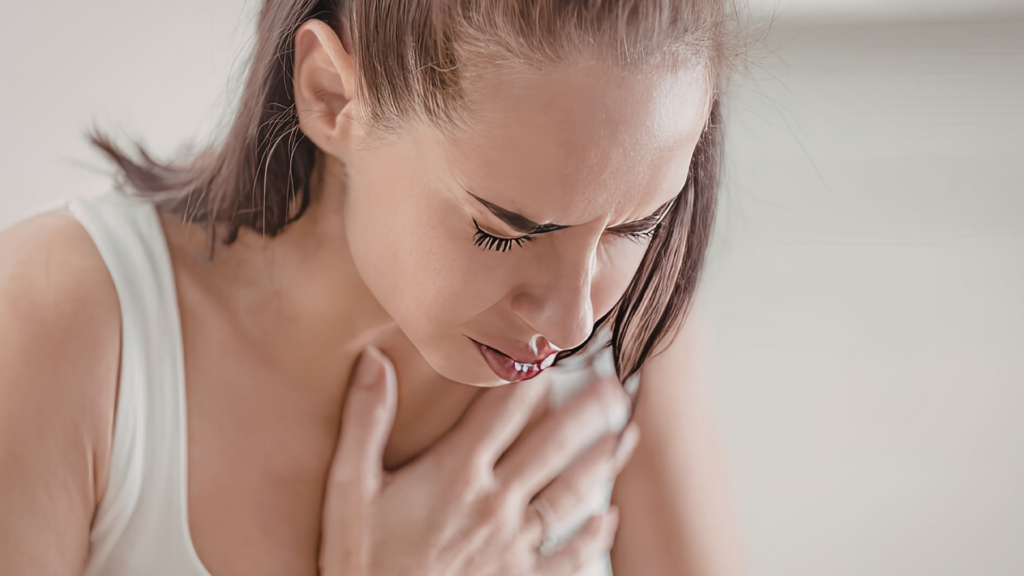
What does your body feel like after an anxiety attack? Many people report shakiness, weakness, tight muscles, chest discomfort, nausea, tingling, or a heavy feeling in the arms and legs. Others feel overstimulated and need quiet before they can return to normal tasks.
It is also common to feel tired after anxiety attack symptoms, even if the episode lasted only a short time. The body has used a large amount of energy during the stress response. For some people, exhaustion becomes the main symptom once the fear fades.
Panic Attack vs Anxiety Attack
People often use these two terms interchangeably, but they are not always identical. Panic attacks usually begin suddenly and reach a peak quickly, while anxiety may build more gradually around stress, conflict, or worry. Both can be intense, but they often feel different in timing and pattern.
This difference matters because it affects how symptoms are understood. It also helps explain why how you feel after a panic attack may not be exactly the same as how someone feels after longer, sustained anxiety. Clear language helps reduce confusion and supports better self-observation.
What Is the Difference?
A panic attack is a sudden wave of intense fear or discomfort with strong physical symptoms. An anxiety attack is a common phrase people use for a sharp rise in anxiety, even though it is not a formal diagnostic term in the same way. Both experiences are real, but panic tends to feel more abrupt and physically overwhelming.
Panic Attack Symptoms and Triggers
Panic attack symptoms often include shortness of breath, sweating, trembling, dizziness, nausea, chest pain, and fear of losing control. Common triggers include trauma reminders, chronic stress, conflict, sleep loss, health worries, or stimulants like caffeine. At times, the symptoms seem to come without a clear trigger.
Feeling drained after an attack is common because the body has been in a state of high alert.
You may also want to read: How Many People Are Affected By Anxiety?
Types of Anxiety and Related Symptoms
There are many types of anxiety, and each can shape the aftereffects in a different way. Generalized anxiety may leave a person tense and worn down over time, while panic disorder may cause sharp episodes followed by crash-like fatigue. Trauma-related anxiety, social anxiety, and health anxiety can also produce strong body symptoms.
Panic Attack Hangover and the Fight or Flight Response
The fight-or-flight response is the body’s emergency system. It prepares a person to react quickly when danger is perceived, even if the threat is not physical. During panic, this system can become intense and leave behind a panic attack hangover once the fear starts to fade.
A person may still feel shaky, weak, or unsettled because the nervous system does not switch off at once. It takes time for the body to move out of that activated state. This explains why after effects can outlast the panic itself. A stress hormone, such as adrenaline, helps the body respond quickly under pressure
Recovery Usually Takes
How long do panic attacks last? The sharpest part often lasts several minutes, though the full wave can feel longer. The aftereffects may last for hours, sometimes into the next day.
How long after a panic attack do you feel normal depends on the person and the situation. Sleep, stress, food intake, repeated episodes, and overall health can all affect recovery. Some people feel better within an hour, while others need more time.

How Long Does It Take to Recover After an Anxiety Attack?
How long it takes to recover after an anxiety attack depends on both body and context. Recovery may be slower when the episode happens during a period of chronic stress, poor sleep, or ongoing fear about symptoms. Post-anxiety attack fatigue may also last longer if episodes happen often.
A person may feel physically calmer before they feel emotionally settled. They may still scan for danger, replay the event, or worry about another episode. That mental aftershock can extend recovery.
What to Do After a Panic Attack
What to do after an anxiety attack depends on what the body and mind need in that moment. Most people benefit from lowering stimulation and focusing on basic recovery rather than forcing themselves to feel normal right away. Simple steps can help the nervous system settle.
How to Recover From a Panic Attack
Recovering from a panic attack often begins with basic regulation. Slow breathing, grounding, sitting somewhere quiet, and loosening tense muscles may help the body settle. Drinking water and having a light snack may also help if the person has not eaten.
A few simple steps can support recovery:
- Slow the breath without forcing it
- Sit or stand in a stable position
- Drink water
- Reduce noise and stimulation
- Eat something light if needed
What to Do After an Anxiety Attack
After the peak passes, rest may help more than pushing forward too fast. Some people benefit from a short walk, a quiet room, or speaking with someone they trust. Others feel better when they avoid overchecking their bodies and let symptoms settle on their own.
It can also help to delay demanding tasks until the body feels steadier. Jumping back into conflict, work stress, or overstimulation may keep the system activated. Recovery often works better when it is protected.
You may also be interested in: How to Know if I Have Anxiety
Rest, Food, and Hydration
Rest, food, and hydration support recovery because panic can leave the body depleted. Water, a light meal, and a calmer setting can reduce shakiness and improve concentration. These steps are simple but often helpful.
It may also help to limit caffeine, alcohol, or other substances during recovery. These can complicate symptoms or make the body feel more activated. A steadier routine often supports better recovery.
When Symptoms Need More Attention
After effects are common, but not every symptom should be assumed to come from anxiety. Chest pain, fainting, severe breathing trouble, or symptoms that feel new or extreme may need urgent medical evaluation. Mental health explanations should not replace medical judgment when warning signs are present.
Repeated episodes may also point to panic disorder or another condition that needs careful assessment. If symptoms interfere with sleep, work, relationships, or daily life, it may be time to seek professional support. Consider scheduling an appointment with Anat Joseph who, like other licensed clinicians, would consider both symptom pattern and emotional context when evaluating recurring anxiety-related distress.
Chest Pain and Other Warning Signs
Chest pain can happen during panic, but it can also occur in medical emergencies. That is why it is important not to assume every episode is anxiety, especially when symptoms feel unfamiliar or severe. Safety comes first.
Other warning signs include fainting, prolonged confusion, severe shortness of breath, or symptoms linked to substance use or withdrawal. In those cases, a medical evaluation may be needed before focusing on anxiety treatment. Care works best when the cause is assessed carefully.
When Symptoms Affect Daily Life
If the after effects disrupt work, school, sleep, concentration, or relationships, they may need more attention. A person may start avoiding places, canceling plans, or feeling afraid of the next episode. At that stage, the problem often extends beyond one isolated attack.
This pattern can happen with panic disorder, generalized anxiety, trauma-related symptoms, or other mental health concerns. A careful evaluation can help separate these patterns. That can guide treatment more clearly.
When to Seek Professional Help
A person may need to seek professional support if attacks are repeated, severe, or difficult to understand. Therapy can help identify triggers, reduce fear of bodily sensations, and build more stable coping strategies. It can also help clarify whether panic is part of a broader emotional pattern.
Support may include psychoanalytic work, cognitive behavioral therapy, or other evidence-based approaches, depending on the person’s symptoms and history. The best approach depends on the full picture, not only on one episode. Clear assessment is an important part of care.