Natural anti-anxiety strategies can help, but they do not all work equally well, and they are not a substitute for proper care when symptoms are severe.
In practice, Natural Anti-Anxiety support with the strongest real-world value usually starts with lifestyle habits such as regular exercise, better sleep, slower breathing, mindfulness, and reducing caffeine and alcohol intake.
Some supplements, including ashwagandha, magnesium, and lavender, may help certain people, but evidence is mixed, and results vary by person, symptom pattern, and overall health. Grounding techniques and breathing exercises can also reduce symptoms in the moment by helping the body settle.
Anat Joseph, LCSW, PsyA, works with patients to understand how anxiety may be shaped by stress, relationship patterns, and deeper emotional strain, while helping them think through practical and appropriate forms of support.
What Is the Best Natural Thing for Anxiety
There is no single best natural option for every person with anxiety. The most helpful approach often depends on symptom severity, daily habits, sleep quality, physical health, and whether the problem is short-term stress or a more persistent anxiety condition.
For many people, the best starting point is not a pill or tea, but a set of consistent habits that help the body and mind regulate stress. This is where many natural remedies for anxiety are most useful.
A holistic anxiety remedy usually means looking at the big picture rather than focusing on a single product. That may include sleep, movement, breathing, nutrition, caffeine use, work stress, and emotional triggers, along with therapy when needed.
This approach is more accurate than assuming that a single herb or supplement can solve a complex problem. It also helps people manage anxiety in a way that fits daily life.
Lifestyle Changes With the Best Support
Lifestyle strategies often have better support than supplements when people want to reduce anxiety symptoms.
Regular sleep, physical activity, structured routines, and stress reduction can lower nervous system activation and improve emotional stability over time.
These steps are not instant fixes, but they often make symptoms easier to understand and respond to. They also support therapy and other forms of care.
Research in this area is not perfect, but studies show that exercise, mindfulness, breathing practices, and good sleep habits can help reduce stress reactivity.
Herbal Remedies and Supplements for Anxiety
Some readers searching for herbal remedies for anxiety often ask about chamomile, passionflower, lemon balm, valerian, or ashwagandha. Others are searching for supplements for anxiety, such as magnesium or L-theanine.
The phrase natural supplements for anxiety covers a wide range of products, and they do not all have the same level of evidence.
Some products marketed as anxiety disorder natural supplements are based more on advertising than on strong clinical data.
Even lists of the best supplements for anxiety should be read carefully, since “best” depends on the person, the symptoms, and safety concerns. A calm, evidence-based review is more useful than a simple ranking.
How to Deal With Anxiety Without Medication
Many people want to know how to cope before turning to medication for anxiety. That can be a reasonable question when symptoms are mild, occasional, or clearly linked to stress and lifestyle strain.
Non-medication care may include sleep changes, exercise, relaxation techniques, therapy, reducing stimulants, and learning how thoughts and emotions affect the body. These steps can be helpful, but they should not replace care when symptoms become severe or hard to control.
Sleep, Exercise, and Breathing
Sleep problems and anxiety often reinforce each other. Poor sleep can increase irritability, tension, racing thoughts, and sensitivity to stress, while anxiety can make it harder to fall asleep or stay asleep.
Improving sleep hygiene may help lower baseline stress and support better emotional regulation. That is one reason sleep is often part of a practical plan to manage anxiety.
Exercise can help regulate stress hormones and improve mood, even when it is simple and moderate. Walking, stretching, and structured movement can reduce tension and give the body a more predictable rhythm.
Slow breathing and other relaxation techniques may also help calm the nervous system in the moment. These tools are not cures, but they can reduce symptom intensity and help a person feel more grounded.
Caffeine, Alcohol, and Daily Triggers
Caffeine can increase heart rate, cause shakiness and restlessness, and create a sense of internal pressure. For some people, that can feel almost identical to anxiety, which is why reducing caffeine can be a meaningful first step.
Alcohol may seem calming at first, but it can worsen sleep, mood swings, and rebound anxiety later. Both can complicate efforts to understand stress and anxiety clearly.
Is There a Strongest Natural Anxiety Medication
There is no proven strongest natural anxiety medication that works best for everyone.
The phrase sounds simple, but anxiety is not a single experience, and natural products do not affect all people in the same way.
What helps one person may do very little for another. Product strength also does not equal clinical usefulness.
Natural Anti-Anxiety Meds vs. Medication for Anxiety
Many people compare natural anti-anxiety meds with prescription treatment, but the two categories are not equal in evidence or purpose.
Natural options may offer mild support for stress or tension, while standard anti-anxiety meds are prescribed for clearer clinical reasons and are studied more closely.
When Supplements for Anxiety May Help
Supplements for anxiety may be worth discussing when symptoms are mild, stress-related, or part of a broader self-care plan.
They may also be considered when a person wants supportive care, while also improving sleep, reducing caffeine intake, and working on stress-management habits.
In these cases, the goal is usually modest symptom support rather than full treatment of a serious disorder. Clear expectations are important.
Even then, it is wise to review side effects, interactions, and the reason for taking them. A person may believe they need a supplement when the main issue is sleep loss, panic, burnout, or unresolved emotional stress. That is why clinical context matters more than trend-based advice.
Anat Joseph may help patients think carefully about emotional patterns and symptom meaning, rather than reducing anxiety to one simple cause.
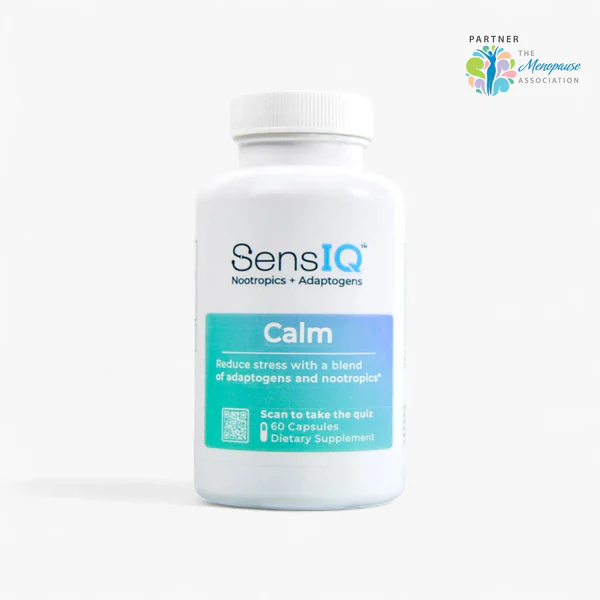
Calm by SensIQ: Stress, Relaxation, and Emotional Balance offers neurologist-designed, non-hormonal support that can fit into a broader approach to managing stress alongside lifestyle changes and therapy. You can learn more about this option here: SensIQ
Safety Risks With Natural Anxiety Remedies
Natural products can still cause harm. Some can interact with antidepressants, sedatives, blood thinners, or other medications, and some may not be safe during pregnancy or with certain medical conditions.
Product labels may also be inaccurate, and quality can vary across brands. This is one of the main limits of many “natural” products sold for stress relief.
That is why safety should be part of any article on natural remedies for anxiety.
Readers should understand that “natural” does not mean tested, harmless, or right for everyone. Clear safety language supports trust and protects the reader. It also fits the standards expected in medical and mental health writing.
You may also want to read: Online Therapy for Anxiety
Side Effects and Drug Interactions
Side effects may include sedation, stomach upset, dizziness, headaches, or changes in blood pressure and alertness.
Some products can also interact with prescription drugs in ways that increase risk. This is especially important for people already taking medication for anxiety, depression, sleep, pain, or other chronic conditions. Mixing treatments without guidance can create real problems.
Why Natural Does Not Always Mean Safe?
The word “natural” often suggests gentleness, but that is not always accurate. Some natural products are powerful enough to affect mood, alertness, sleep, or other body systems.
Others have very little reliable data behind them. Both situations require caution.
People may also delay care because a product sounds healthier or easier than therapy or medical treatment. That delay can matter when symptoms are growing.
A safer message is that natural support may help some people, but it should be used thoughtfully and with realistic expectations. Anat Joseph’s clinical perspective would place understanding, symptom meaning, and careful treatment planning above quick fixes.
You may also be interested in: How Many People Are Affected By Anxiety?
When Anxiety Needs Professional Support
Natural support is not always enough. If anxiety is intense, long-lasting, or linked to panic, hopelessness, major avoidance, or serious disruption in daily life, professional care may be the safer and more useful step.
This is also true when symptoms seem out of proportion, hard to control, or tied to trauma or depression. Clear limits help readers know when self-help has reached its boundary.
Signs and Symptoms Are Getting Worse
Signs of worsening anxiety may include panic attacks, severe sleep loss, constant dread, avoidance of normal activities, irritability, or trouble concentrating.
Some people also notice stronger physical symptoms, such as chest tightness, stomach upset, dizziness, trembling, or a racing heart.
When symptoms begin to affect work, school, relationships, or basic routines, the problem may be moving beyond mild stress support. That is an important point for the reader to recognize.
When Therapy or Medication May Help
Therapy may help when anxiety keeps returning, feels connected to deeper emotional strain, or affects daily functioning. Medication may help when symptoms are more severe or do not improve enough with therapy and lifestyle care alone.
Consider Scheduling an Appointment with Anat Joseph, the goal is not to choose one path too quickly, but to understand what level of care matches the symptoms. Accurate mental health writing should make that process easier to understand.