


Yes, anxiety can cause stomach pain. The brain and digestive system are closely connected, so emotional stress can directly affect how the gut functions. When the body enters fight or flight, muscles tense and the gut slows or speeds up. This can cause cramps, nausea, gas, or diarrhea.
Many people ask, “Can anxiety cause stomach pain?” notice symptoms during stressful times. These symptoms often improve once they feel calmer. Understanding this connection helps reduce fear and guides appropriate care.
Key Takeaways
- Anxiety can trigger real stomach pain because the brain and digestive system are closely connected, and stress directly alters gut function.
- Common anxiety-related digestive symptoms include cramping, nausea, gas, diarrhea, and IBS flares, especially during stressful situations.
- Short-term anxiety stomach pain often improves once stress decreases, but persistent or long-term symptoms may signal an anxiety disorder or require medical evaluation.
- Calming the nervous system through deep breathing, therapy, and consistent lifestyle habits can reduce anxiety-related stomach discomfort and support gut health.
Yes – Anxiety Can Trigger Stomach Pain
Anxiety activates the nervous system and prepares the body to respond to threats. This reaction affects the digestive tract and can lead to stomach discomfort anxiety. The connection between emotions and physical symptoms is strong and well documented in both mental health and gastrointestinal GI research, including discussions found in types of anxiety disorders.
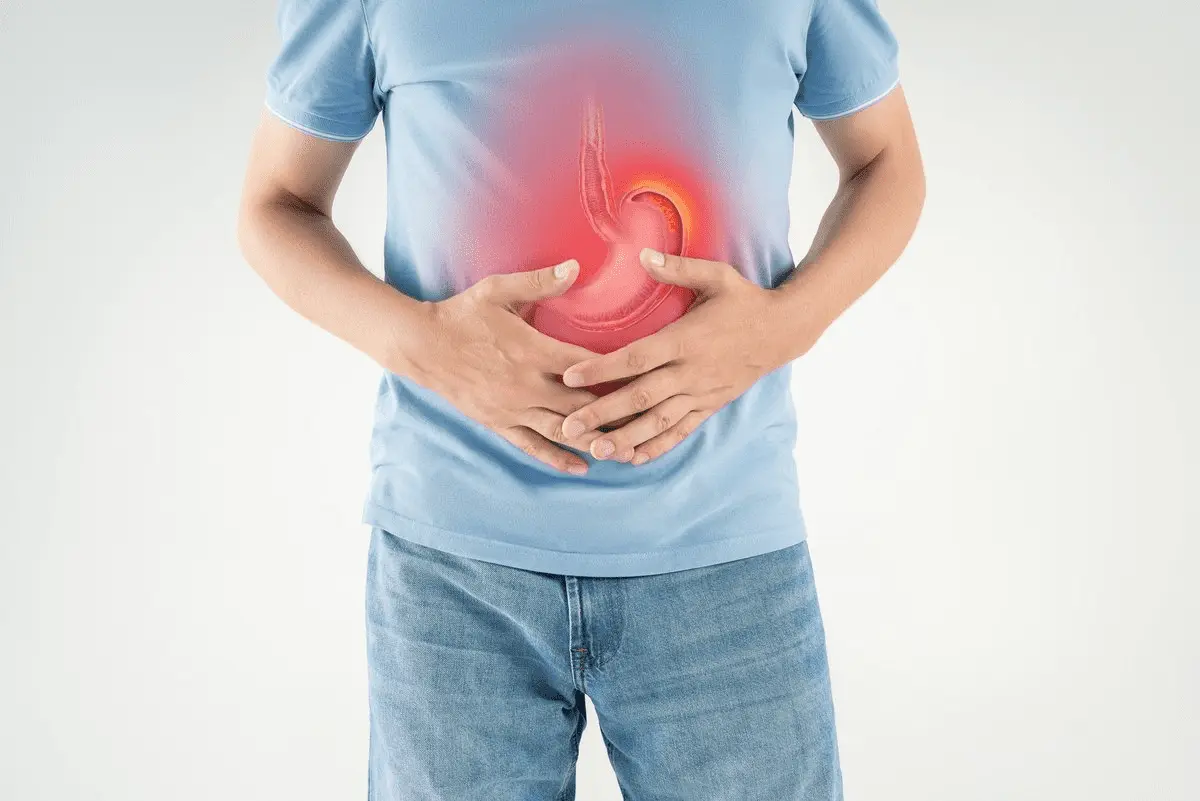
Anxiety and stomach issues often occur together because the brain and gut constantly communicate. When anxiety increases, the body shifts energy away from digestion.
This shift can cause upset stomach, nausea, or stomach problems that feel alarming but are stress driven.
The Brain–Gut Connection
The brain and the digestive system communicate through nerves, hormones, and immune signals. This network explains why anxiety related stomach symptoms develop quickly. When the brain senses danger, it sends signals that change how the digestive tract functions.
These signals can increase muscle tension, alter gut motility, and heighten sensitivity. As a result, even normal digestion can feel painful.
This explains why anxiety stomach aches can happen without a structural medical condition and why many people explore support from an anxiety therapist general approach.
Fight-or-Flight and Digestive Changes
The fight or flight response increases heart rate and prepares the body for action. Blood flow shifts away from the stomach and intestines. Digestion slows or becomes irregular during this state.
These changes can lead to cramping, bloating, or diarrhea. In some cases, the stomach hurts sharply and then improves once the stressful situation passes.
This pattern is common in people who experience anxiety, stomach pain during work pressure or social stress, or even related symptoms such as hangover anxiety.
What Anxiety Stomach Pain Feels Like
Anxiety stomach pain can feel different from person to person. It may feel dull, sharp, burning, or like tight pressure in the abdomen. For many individuals, stomach discomfort anxiety appears suddenly and improves when stress decreases.
Digestive symptoms linked to anxiety often include nausea, gas, and bowel changes. These are not imagined symptoms. They reflect real changes in the digestive tract during emotional stress.
Anxiety Stomach Pain Location
Anxiety stomach pain location often centers in the upper abdomen or around the navel. Some people feel discomfort in the lower abdomen, especially if bowel movements change. The pain may move or feel diffuse rather than fixed in one spot.
Pain that shifts with mood or improves after relaxation often points to anxiety and stomach issues rather than structural disease. However, persistent localized pain should always be evaluated.
Cramping, Burning, or Tightness
Cramping is a common symptom during anxiety episodes. Muscles in the digestive tract contract unevenly, which can cause spasms. Some people report burning sensations similar to mild acid irritation.
Tightness in the abdomen can also occur due to muscle tension. Chronic stress keeps muscles partially contracted. Over time, this tension can increase overall stomach problems.
Diarrhea, Vomiting, and Gas

Can anxiety cause stomach pain and diarrhea? Yes, it can. Anxiety speeds up gut movement in some people, which leads to loose stools.
Can anxiety cause stomach pain and vomiting? Severe stress may trigger nausea and occasional vomiting, especially during panic.
Can anxiety cause stomach pain and gas? Gas and bloating often increase during stress because digestion becomes irregular.
IBS Flares and Gut Sensitivity
Irritable bowel syndrome IBS often worsens during anxiety. Stress can heighten gut sensitivity, which makes normal digestion feel painful. People with IBS may notice more bloating, cramping, or urgent bowel movements during stressful situations.
Chronic stress also changes how the gut responds to food. Over time, this can affect gut health and increase digestive symptoms.
How Long Does Anxiety Stomach Pain Last?
How long does anxiety stomach pain last depends on the trigger and the person’s stress level.
In many cases, symptoms improve within minutes or hours after the stress passes. Short episodes linked to exams, public speaking, or conflict often resolve quickly.
When anxiety becomes long term, stomach discomfort may persist. The digestive system remains in a reactive state. This can lead to recurring anxiety and stomach pain that feels unpredictable.
Short-Term Stress Episodes
Short-term anxiety often causes temporary upset stomachs. Once the heart rate slows and the body relaxes, digestion stabilizes. Practicing deep breaths during these moments can shorten symptom duration.
Learning to recognize the pattern helps reduce fear. When people understand that anxiety related stomach symptoms follow stress, they feel more in control.
When Symptoms Become Persistent
If symptoms continue for weeks or months, anxiety may be ongoing. Chronic stress keeps the nervous system activated. This can result in frequent stomach aches, bowel changes, and increased sensitivity.
Persistent symptoms require evaluation by a healthcare provider. A combined approach that addresses both emotional and physical health is often most effective.
When Stomach Pain Is Linked to Anxiety Disorder

Stomach pain and anxiety disorder often appear together. When anxiety interferes with daily life, work, or relationships, physical symptoms usually increase. Anxiety and stomach issues may become part of a larger clinical picture.
At this stage, symptoms are not only situational. They may occur even without obvious triggers. Understanding this connection helps guide appropriate treatment.
Stomach Pain and Anxiety Disorder
In an anxiety disorder, the nervous system remains on high alert. The digestive system reacts repeatedly to perceived threats. This cycle can create long term stomach problems.
People may begin to avoid certain foods or social settings. Fear of symptoms can increase stress, which then worsens digestive symptoms.
Chronic Anxiety and Ongoing Stomach Issues
Chronic anxiety changes how the body regulates stress hormones. These hormonal shifts can affect the gastrointestinal GI system. Over time, this may increase risk of functional GI issues.
Therapeutic support can interrupt this cycle. Anat Joseph works with individuals to explore emotional triggers and patterns that contribute to anxiety and stomach pain.
How to Calm an Anxious Stomach
Learning how to calm an anxious stomach reduces both emotional and physical distress. Simple tools can regulate the nervous system and support gut health. Consistency is key for lasting improvement.
Deep Breathing and Regulation
Deep breaths slow heart rate and signal safety to the brain. This reduces activation of the fight or flight response. As the nervous system settles, digestive function improves.
Practice slow breathing by inhaling for four seconds, holding briefly, and exhaling slowly. Repeating this pattern for several minutes can reduce stomach discomfort anxiety.
Therapy for Anxiety and Stomach Issues
Therapy addresses the emotional roots of anxiety related stomach symptoms. A psychoanalytic approach explores underlying stress patterns and relational themes. This deeper work supports long term change and differs from structured approaches such as those compared in cbt vs psychoanalysis.
Anat Joseph integrates insight and emotional awareness to help clients understand how anxiety affects their bodies. Treatment focuses on both symptom relief and lasting psychological growth.
Lifestyle and Gut Health Habits
Healthy routines support both mental and digestive health. Consider the following habits:
- Eat regular meals and avoid skipping food
- Limit caffeine during high stress periods
- Prioritize sleep to reduce chronic stress
- Engage in moderate physical activity
These steps strengthen gut health and reduce digestive tract sensitivity.
When Stomach Pain May Not Be Anxiety

Although stomach pain is common, not all stomach problems stem from stress. Medical evaluation is important when symptoms change or intensify. Clear guidance protects health and safety.
Red Flags to Watch For
Seek medical care if you notice:
- Severe or worsening abdominal pain
- Persistent vomiting
- Blood in stool
- Unexplained weight loss
- Fever with abdominal pain
These signs suggest a condition beyond anxiety.
Ruling Out GI Conditions
Doctors may evaluate for ulcers, infections, or inflammatory conditions. Some individuals develop stress induced gastritis during prolonged stress. Proper testing ensures accurate diagnosis.
Ruling out medical causes does not invalidate emotional factors. Instead, it clarifies the full picture of stomach pain.
Stress-Induced Gastritis and Complications
Chronic stress can irritate the stomach lining in some cases. This may lead to inflammation and increased sensitivity. Early treatment reduces risk of complications.
Addressing both emotional stress and physical symptoms supports comprehensive care. A collaborative approach often yields the best outcomes.
Sources and Review
Medical References Used
This article reflects current understanding of the brain–gut connection and anxiety related digestive symptoms. Research from gastrointestinal and mental health fields supports these explanations.
About Anat Joseph, LCSW
Anat Joseph, LCSW, PsyA, is a Licensed Clinical Social Worker and Psychoanalyst based in New York and New Jersey.
She provides therapy for children, adolescents, and adults facing anxiety, trauma, and relational challenges. Her work integrates psychological insight with practical support to promote lasting change.
