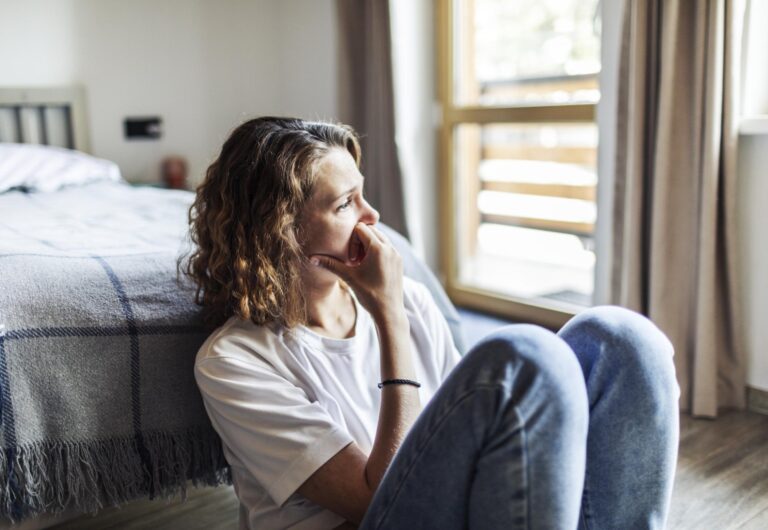
Alcohol can change mood and brain activity. This shift helps explain why some individuals experience tension the next day. Many people experience hangover anxiety after a night of drinking because alcohol consumption affects brain chemistry, sleep, and the release of a stress hormone.
Anat Joseph, a Licensed Clinical Social Worker and Psychoanalyst, notes that reactions after alcohol use differ based on mental health history and emotional patterns.
Some individuals feel anxious after alcohol, even if they drank socially and did not expect discomfort. The feeling may include worry, restlessness, or low mood when alcohol wears off, and it is usually short-term.
This article explains what hangover anxiety is, why alcohol triggers it, common emotional and physical symptoms, and how long it may last. It also reviews brain chemistry changes, emotional risk factors, and simple ways to understand and manage post-drinking anxiety.
Key Takeaways
- Hangover anxiety is a short emotional reaction linked to dehydration, poor sleep, and sudden brain changes after drinking alcohol.
- Symptoms can include a fast heartbeat, nausea, tension, and emotional worry or irritability that appear with a normal hangover.
- The length and strength depend on how much a person drinks, their sensitivity, and whether they are prone to anxiety or already managing anxiety disorders.
- Water, rest, balanced meals, light movement, and slow breathing often reduce post-drinking anxiety and calm the nervous system.
- Repeated episodes or strong reactions may connect to alcohol dependence, depression, and anxiety, or wider emotional patterns that may need support.
Anxiety the Day After Drinking
Is It Normal to Feel Anxious
It is common to feel anxiety the day after drinking, especially after heavy use or poor sleep. The body works overnight to break down alcohol. This process can disturb mood and energy levels.
Many people wake up tense or anxious after alcohol, and the feeling often improves with rest and hydration.
Hangover Anxiety Symptoms
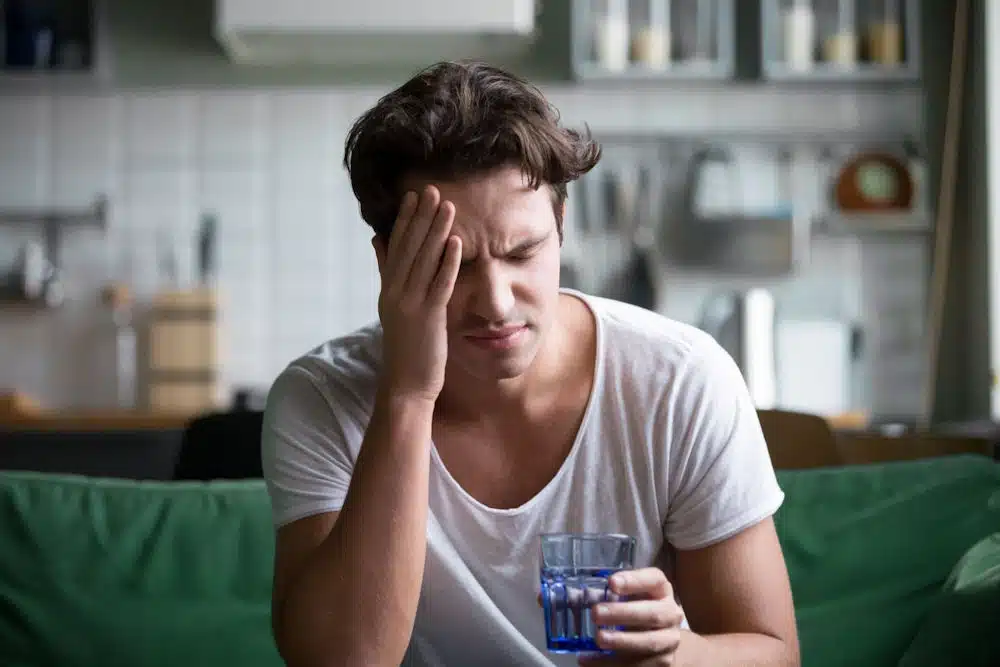
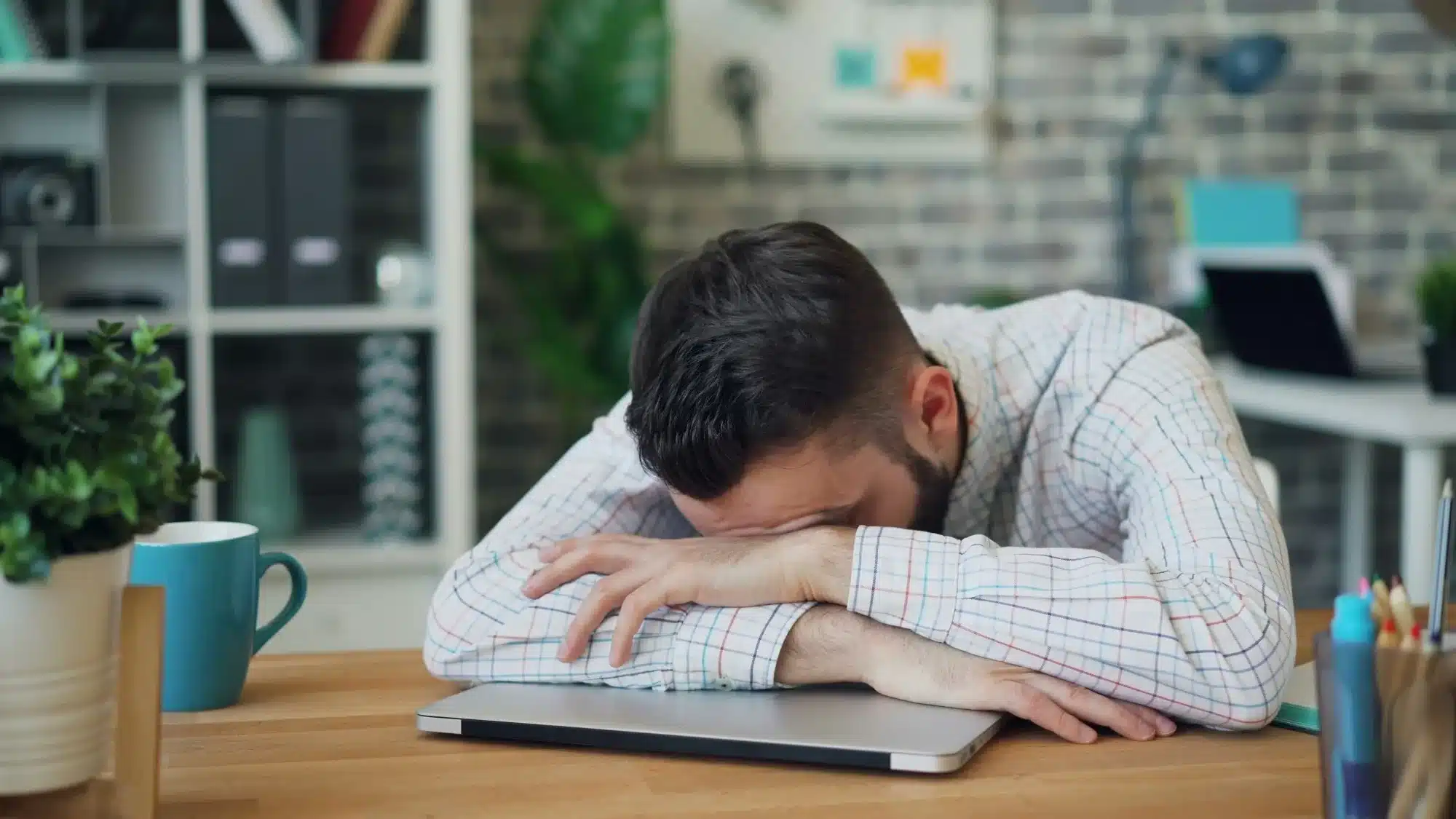
Hangover and anxiety may include emotional and physical symptoms. Some people feel a fast heartbeat, sweating, nausea, or chest tightness. Others report racing thoughts, guilt, or worry that feels more intense than usual. These signs can appear even after moderate drinking.
Anxiety Attacks and Heart Palpitations
Some individuals report anxiety when hungover with sudden fear or strong body sensations. Heart palpitations, dizziness, and shallow breathing may occur when the nervous system feels overstimulated.
Dehydration and poor sleep can increase these sensations. These reactions are usually temporary and lessen as the body recovers.
Why You Feel Anxious After Drinking Alcohol
Feeling anxious after drinking alcohol often links to poor sleep and blood sugar changes. Alcohol may relax the body at first, but later it increases anxiety as the effect fades. Social memories or regret can also raise discomfort the next morning. This explains why anxiety and alcohol often feel connected.
What Causes Hangxiety
Brain Chemistry and Hormones
The question of what causes hangxiety often leads to brain science. Alcohol boosts feel-good chemicals like dopamine and slows brain activity for a short time. When it leaves the body, dopamine drops and cortisol rises. This change in brain chemistry can create tension, sadness, or restlessness.
Key Neurotransmitters Involved
Several brain chemicals affect mood after drinking.
- GABA slows brain activity and helps calm the mind.
- Dopamine supports reward and pleasure signals.
- Glutamate increases alertness and stimulation.
Alcohol disrupts these signals for a short period. Mood balance becomes less stable during recovery. The brain slowly returns to normal as the body clears alcohol.
Sleep, Dehydration, and Stress
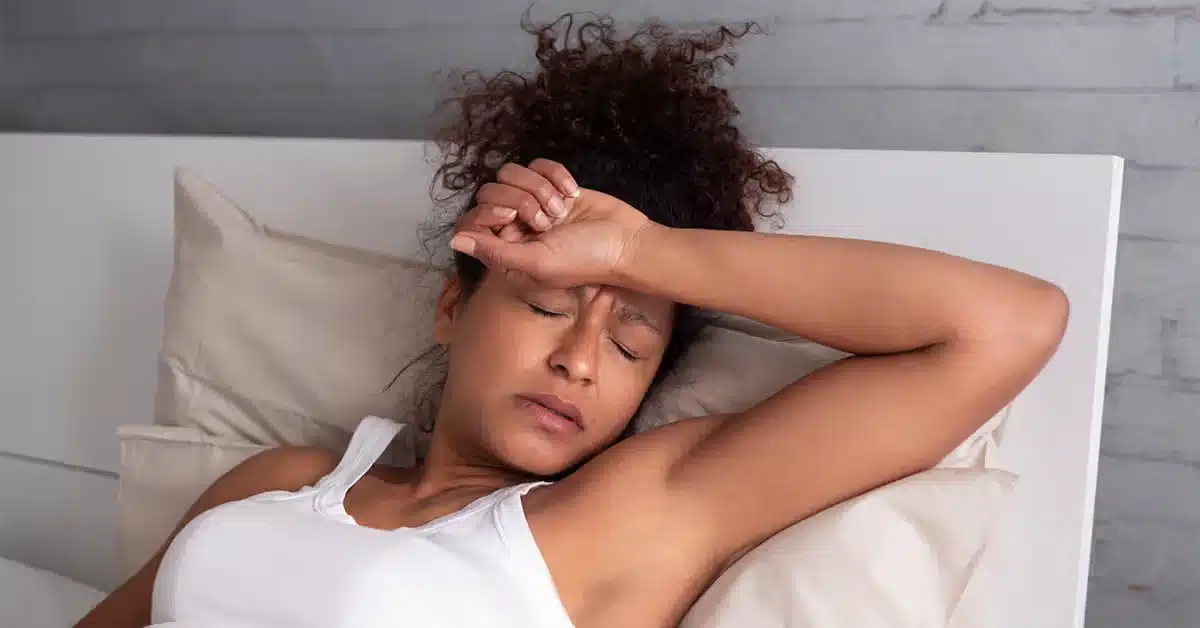
Poor sleep after a night of drinking strongly affects alcohol and anxiety cycles. Alcohol reduces deep sleep and leaves the body tired. Dehydration and mineral loss also increase fatigue and discomfort. These factors can leave an individual feeling anxious even in the absence of a clear emotional cause.
Cortisol and the Stress Response
Alcohol can raise cortisol, the main stress hormone. Higher cortisol increases heart rate and tension the next day. Heavy drinking makes this stronger. Fatigue, combined with high alertness, can intensify emotional unease.
How Long Hangxiety Lasts
Short-Term vs Lasting Days
Most people feel better within one day as sleep and hydration improve. Some ask, can alcohol cause anxiety for days, and the answer depends on the amount of alcohol and personal sensitivity. Longer discomfort is more common in people prone to anxiety. The feeling usually fades as the body recovers.
What You Can Expect Tomorrow
Many people feel relief within 12 to 24 hours. Mild tension or tiredness may continue into the second day if sleep was limited. Heavy drinking can extend discomfort to 48 hours. The body often restores emotional balance on its own.
Factors That Extend Symptoms
Ongoing alcohol consumption, stress, and lack of rest can prolong discomfort. People managing social anxiety, anxiety disorders, or depression and anxiety may notice stronger effects. Repeated episodes may signal risk for alcohol dependence. Watching patterns helps guide next steps.
Repeated Episodes and Larger Patterns
Frequent post-drinking anxiety may show a wider emotional pattern. People with depression or different types of anxiety disorders may experience longer-lasting symptoms. Cycles of drinking and distress increase strain. Tracking frequency helps decide when support is helpful.
Hangover Anxiety Relief and Prevention
Fast Relief Checklist
Immediate steps can reduce discomfort and tension.
These steps stabilize blood sugar and calm the nervous system. They do not remove anxiety instantly, but often reduce its intensity. Repeating them improves results.
How to Stop Anxiety After Drinking
Simple actions can reduce discomfort. Water, meals, and rest support mood balance. Light movement and fresh air improve circulation. Avoiding more alcohol prevents added stress.
How to Deal With Hangover Anxiety
Small routines often help. Deep breathing or gentle stretching calms the body. Writing down worries or reading guides on controlling intrusive thoughts can reduce rumination. These methods focus on regulation.
How to Sleep With a Hangover Anxiety
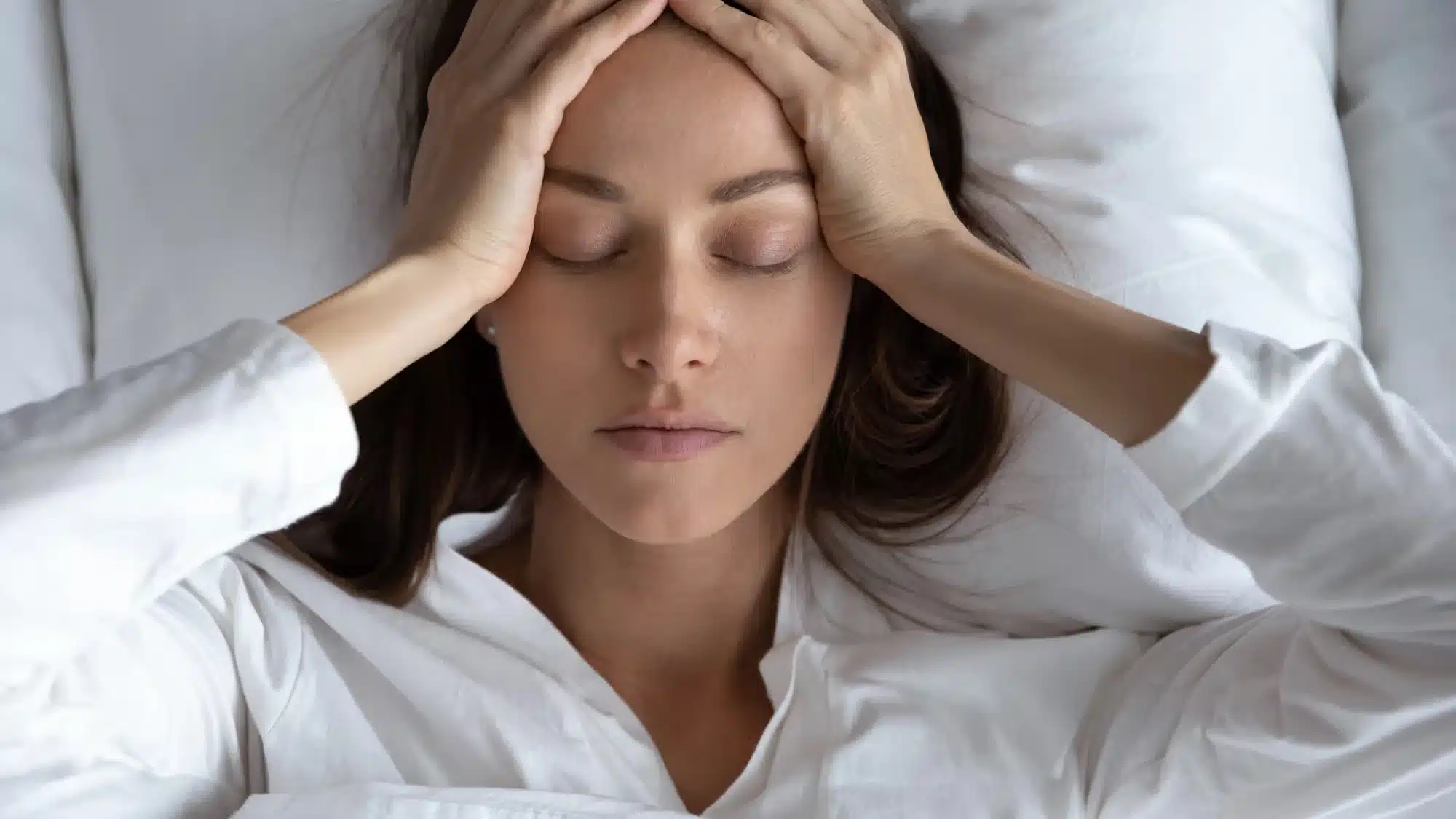
Better sleep helps restore emotional balance. A dark, quiet room and a steady bedtime routine support recovery. Limiting caffeine and screens reduces stimulation. Rest allows the nervous system to reset.
Daily Habits That Help
Preventive habits reduce repeat discomfort. Eating before drinking and pacing intake support hydration. Some people improve after they have stopped drinking or reduced their frequency. Balanced routines strengthen emotional health over the long term.
Hydration and Electrolytes
Alcohol lowers fluid and mineral levels. Dehydration increases headaches, fatigue, and dizziness. Restoring fluids supports circulation and nervous system stability. Good hydration reduces both physical and emotional tension.
Medication and Professional Support
Medication Information and Risks
Questions about medication sometimes arise. Short-term relief options exist, but unsupervised use can lead to complications. Mixing medication with anxiety and alcohol patterns needs evaluation. Safety and education should guide decisions.
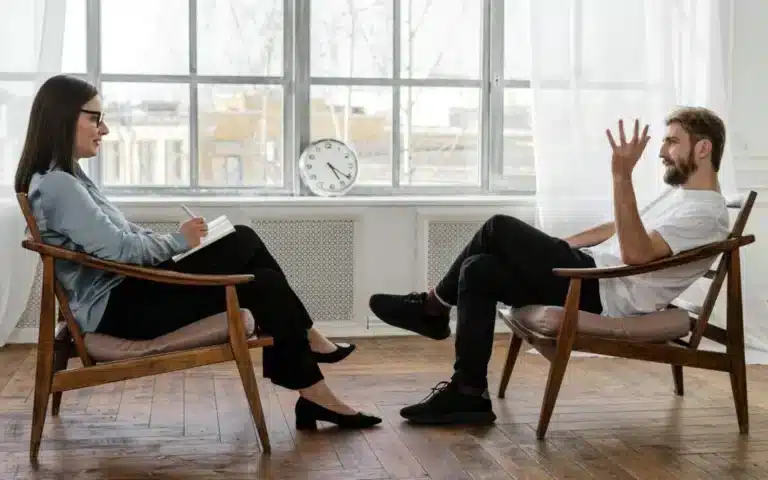
When to Seek Professional Help
Professional guidance is helpful when anxiety continues or disrupts daily life. Recurring panic or signs of alcohol dependence may point to deeper issues.
A licensed anxiety therapist in NYC can assess emotional history and coping patterns. Support focuses on understanding triggers and building stronger regulation skills.