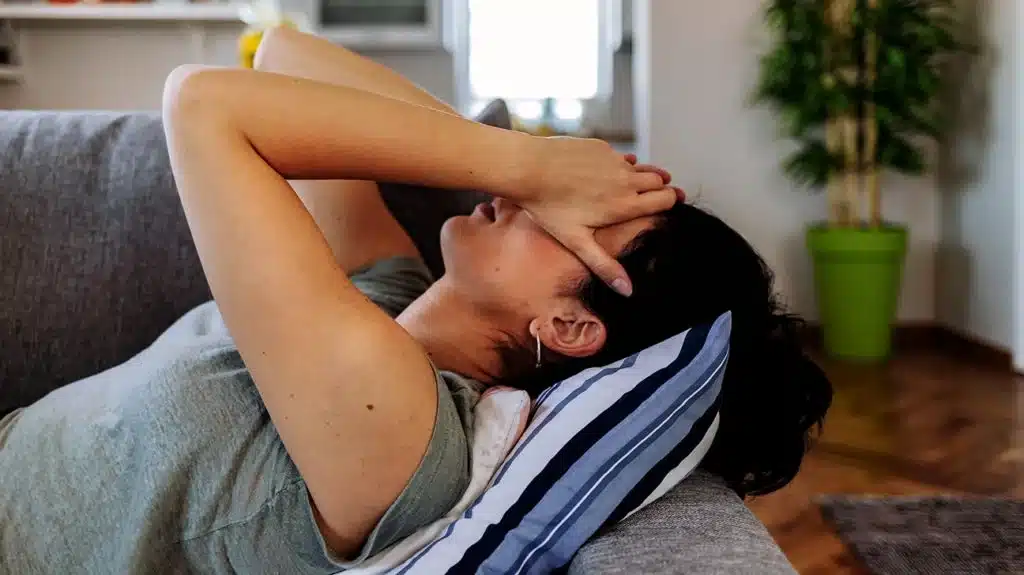
Anxiety does not cause death, even when symptoms feel intense or frightening. Symptoms can feel similar to serious medical problems treated in a medical center. Anxiety triggers the body’s stress response, but it does not stop the heart or shut down organs.
As a licensed clinical social worker and psychoanalyst, Anat Joseph helps people understand the difference between anxiety symptoms and medical conditions using evidence-based clinical care.
Key Takeaways
- Anxiety does not cause death, even when symptoms feel severe or similar to a heart attack.
- Panic attacks cause short-term body changes that peak and pass without physical harm.
- Anxiety feels dangerous because fear systems in the brain become overactive.
- Long-term anxiety can affect comfort and quality of life, but not lifespan, when treated.
- Professional support helps explain symptoms, reduce anxiety, and restore control.
Does Anxiety Cause Death?
Anxiety itself does not cause death. When people ask, ” Can anxiety cause death or ” Could anxiety kill you, they are often reacting to strong physical sensations. These sensations feel real but come from nervous system activity, not organ damage. Medical research does not show that anxiety disorders cause death.
Anxiety prepares the body for danger through the fight or flight response. Heart rate and breathing increase for a short time. Vital organs continue to work normally. This differs from medical conditions that damage tissue or block blood flow.

Why Anxiety Symptoms Cannot Become Fatal
Medical evidence shows anxiety symptoms do not turn into fatal events. Anxiety raises heart rate, muscle tension, and alertness, but organs keep working. Doctors agree these reactions stay within safe limits. This explains why anxiety feels intense but is not dangerous.
The body also naturally limits stress responses. Oxygen stays stable, and blood circulates normally. Symptoms rise and then fall. This pattern helps separate fear from medical risk.
Can Anxiety Attacks Kill You?
Panic attacks do not kill you, even though they feel extreme. Many people fear death by anxiety attack or ask whether anxiety attacks can kill you. Panic puts the body into a state of high alert. These reactions are uncomfortable but not fatal.
Some fear they could die from a panic attack. Symptoms such as shortness of breath, chest pain, heart palpitations, or dizziness can feel alarming. Panic attacks always peak and then ease. The body cannot stay in panic mode.
Anxiety, Panic Attacks, and Medical Emergencies Compared
Anxiety and panic attacks affect how the body feels. Medical emergencies affect how the body works. Panic disorder causes fear without physical damage. Conditions like heart disease involve real injury.
With anxiety, symptoms rise fast and then fade. In emergencies, symptoms worsen and persist. Doctors use this difference to assess risk. Knowing this helps during panic.
Why Anxiety Feels Life-Threatening
Anxiety feels dangerous because fear systems in the brain activate strongly. The amygdala sends threat signals, while the prefrontal cortex struggles to calm them. This causes fear, racing thoughts, and body discomfort. Many people think this means something is seriously wrong.
Negative thoughts increase this response, especially intrusive thoughts, as explained in ” How to Control Intrusive Thoughts. The body reacts as if danger is real. This loop keeps anxiety strong. Understanding it helps reduce fear.
What Clinicians Agree Anxiety Does and Does Not Do
Clinicians agree that anxiety increases alertness and body awareness. It narrows focus to sensations. Anxiety does not cause heart failure, breathing failure, or sudden death. This conclusion is supported by evidence-based research.
Anxiety symptoms also fade without injury. The body returns to baseline after stress settles. This pattern is reliable. Clear knowledge helps calm fear.
Can Anxiety Kill You in Your Sleep?
Anxiety does not cause death during sleep. Nighttime panic can cause sudden fear and a fast heartbeat. These episodes feel frightening. They do not stop breathing or heart function.
Sleep-related anxiety is often linked to stress or panic disorder and other anxiety disorders. The brain misreads normal sensations as danger. Episodes pass without harm. Ongoing symptoms may need evaluation.
Why Each Panic Episode Can Feel Different
Panic episodes vary due to fatigue, stress, caffeine, or poor sleep. These factors change symptoms. The brain may see change as danger. Fear rises even when risk does not.
With anxiety disorders, the nervous system stays sensitive. Small sensations feel stronger. One episode may feel worse than another. Knowing this reduces fear.
Can Anxiety Hurt You Physically?
Anxiety causes physical side effects but not physical damage. Muscle tension, headaches, fatigue, and stomach issues are common. These come from stress signals, not injury. The immune system may feel strained during long-term anxiety.
Anxiety may also cause increased blood pressure during stress. This rise is temporary and returns to normal once anxiety settles. Ongoing symptoms should be discussed with a medical professional. This helps rule out other conditions.
What Happens During a Panic Peak and Resolution
During a panic attack, stress hormones raise heart rate and breathing rate. These hormones reach a limit and fall. Symptoms ease as hormones break down. Panic attacks always end.
As symptoms fade, the body returns to normal. Breathing slows and muscles relax. The mind may stay alert longer. Knowing this helps calm responses.
Physical symptoms often lead people to seek care. It is appropriate to seek medical advice when symptoms are new or severe. Once medical causes are ruled out, anxiety becomes clearer. Education reduces repeated fear.
Disclaimer: Chest pain, shortness of breath, or high blood pressure should always be evaluated by a physician to rule out medical conditions.
Can Anxiety Damage Your Heart?
Anxiety does not cause heart disease. Anxiety chest pain can feel like a heart attack. Anxiety raises the heart rate briefly but does not damage the heart. Heart disease develops through different processes.
Long-term stress may indirectly affect heart health. Anxiety and stress are related but not the same. Managing anxiety supports overall heart function. This reduces fear.
Can Anxiety Kill You Over Time?
Anxiety does not shorten life expectancy. Long-term stress can affect health if left unchecked. Anxiety disorders respond to treatment.
Managing anxiety improves nervous system balance. Therapy and awareness reduce strain. Early support protects quality of life. Anxiety becomes manageable.
Anxiety and Depression Together
Anxiety and depression often occur together. People may worry can you die from anxiety and depression. Depression lowers mood, while anxiety raises fear. Together, they increase distress but remain treatable.
Neither condition causes death directly. Risk rises when daily life breaks down. Care addresses both, including guidance on how to manage anxiety and depression. Early help improves outcomes.
Can You Live a Long Life With Anxiety?
People with anxiety disorders can live long lives. Anxiety does not damage organs or shorten lifespan. Many manage anxiety with therapy and support. Life improves with understanding.
Treatment builds awareness and control. Anxiety becomes less dominant. Education reduces fear. Overall quality of life improves.
How Do You Recover From Anxiety?
Recovery means learning how anxiety works. Therapy builds insight and control. A mental health professional, such as an anxiety therapist in NYC, may teach deep breathing and thought skills. These tools help reduce anxiety.
Recovery does not mean anxiety disappears. It means fear has less power. Support may be short-term or long-term. Care adapts to needs.

When Anxiety Becomes a Real Risk
Anxiety becomes concerning when it disrupts daily life. Ongoing chest pain or severe shortness of breath needs evaluation. These signs may point to panic disorder or other issues. Early assessment brings clarity.
Professional care supports safety. When anxiety overwhelms coping, help is needed. Structured treatment prevents worsening. Early action supports stability.
If symptoms feel unmanageable, consider scheduling a consultation with Anat Joseph, LCSW, PsyA, to discuss appropriate therapeutic support and next steps.