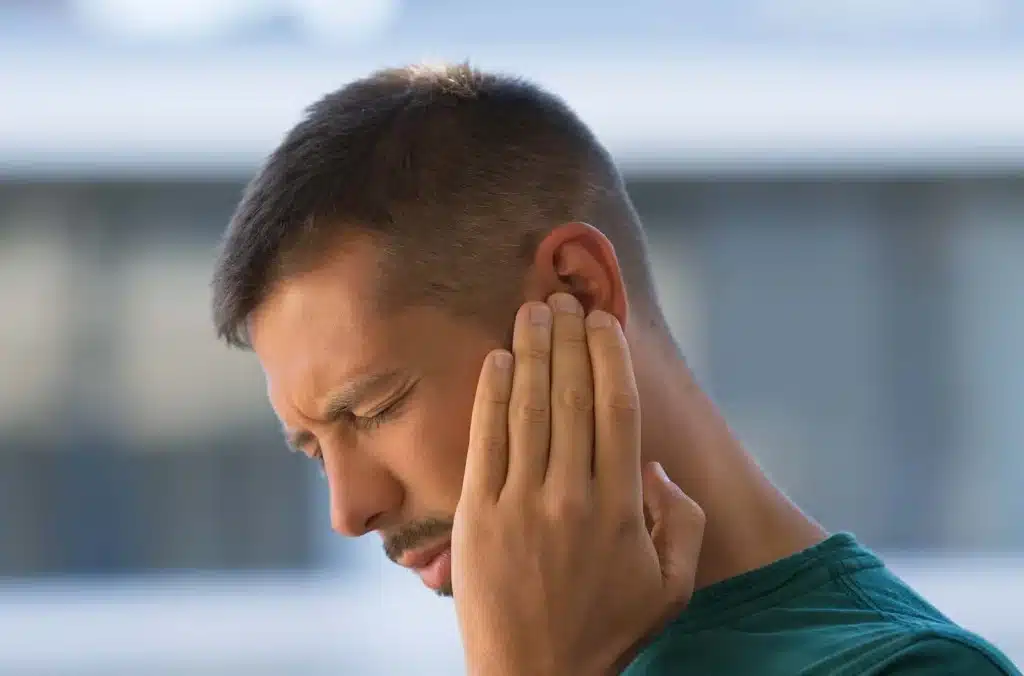
Yes, anxiety can contribute to tinnitus symptoms, but it is not always the only cause. Tinnitus is the perception of sound when no external noise is present, often described as ringing, buzzing, or humming in the ears. Stress and anxiety can change how the brain notices sound. This can make internal noise seem louder or more difficult to ignore.
Key Takeaways
- Anxiety can increase awareness of sounds in the ears, even when the auditory system is healthy.
- Tinnitus and anxiety often affect each other, as stress can raise sound sensitivity and ongoing noise can raise stress.
- Anxiety-related tinnitus often changes with stress level and is less likely when symptoms stay constant or affect only one ear.
- Pulsatile tinnitus sounds different and needs medical review before linking it to anxiety.
- Lowering anxiety through care and coping skills can reduce tinnitus distress and protect quality of life.
Can Anxiety Cause or Worsen Tinnitus?
What Tinnitus Is and Is Not
Tinnitus is a symptom, not a disease. It does not always mean hearing loss or damage to the auditory system. In many cases, tinnitus comes from how the brain processes sound. When anxiety is present, the auditory system may be structurally healthy, but the brain can become more sensitive to internal sound signals.
Anxiety can raise awareness of body sensations, including sounds in the ears, especially when anxiety is caused by stress. A high level of stress can make it harder for the brain to block background noise. This can lead some people to develop tinnitus during stressful periods.
Many people ask, does anxiety cause tinnitus or only make it worse. Clinically, anxiety does not cause ear injury. It increases sensitivity via the stress response, which can make symptoms feel more severe.
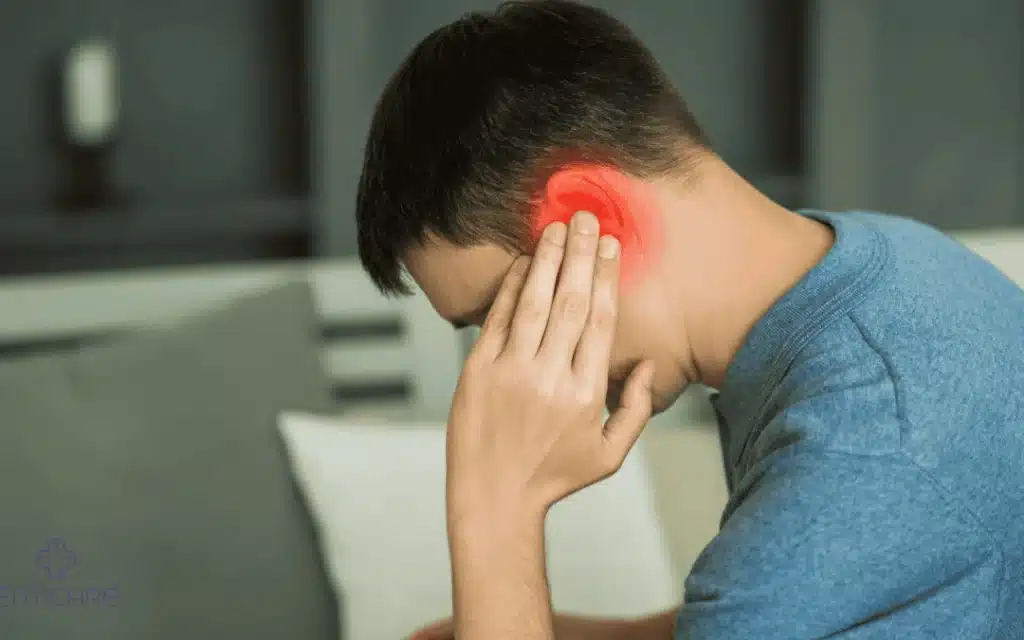
How Anxiety Affects Sound Awareness
Anxiety triggers the fight or flight response. This puts the body on high alert. Sounds in the ears may then feel sharp or intrusive.
The autonomic nervous system controls this response. When it stays active, the brain focuses on threat and safety. This reduces its ability to filter sound.
Stress hormones like cortisol and adrenaline increase blood flow and muscle tension. These changes affect how the auditory system handles sound. This helps explain why tinnitus often feels worse during stress.
Why Anxiety Can Make Tinnitus Louder
Stress narrows attention to internal signals. This can make sounds in the ears feel louder. Ears buzzing, anxiety often reflects this increased focus rather than a physical change.
How Tinnitus and Anxiety Interact
Tinnitus and anxiety often feed into each other. The sound can raise stress, and stress can make the sound feel stronger. This is why tinnitus and anxiety often appear together.
Ongoing symptoms can lower the quality of life. People may sleep poorly or feel irritable. These effects increase emotional strain and keep symptoms active.

The Stress Feedback Loop
Stress raises alertness. Alertness increases focus on internal sounds. This loop can persist even after the stressors have passed.
How Tinnitus Triggers Anxiety and Depression
While anxiety can increase tinnitus awareness, the relationship also works in the opposite direction. Long-lasting tinnitus symptoms can trigger worry, fear, and emotional strain.
Over time, some people develop anxiety patterns that resemble those seen across different types of anxiety disorders, as the nervous system remains in a prolonged state of stress.
These reactions do not mean tinnitus is caused by mental illness. They reflect ongoing nervous system activation rather than personal weakness. Understanding this two-way relationship helps explain why tinnitus and anxiety so often occur together.
How Do I Know If Anxiety Is the Cause?
Anxiety-related tinnitus often changes with mood and stress. Symptoms may worsen during periods of worry and improve during periods of calm. This pattern helps guide understanding.
Anxiety-related tinnitus is less likely when symptoms stay constant, affect only one ear, or come with hearing loss. These signs suggest other causes. A comprehensive review examines mental health, hearing, and physical factors.
Common Anxiety-Related Patterns
Anxiety-linked tinnitus may start during stressful life events. Many people report ringing in the ears and anxiety without hearing loss. These signs point to functional changes.
When to Rule Out Medical Causes
Medical care is indicated when tinnitus is pulsatile or unilateral. Pulsatile tinnitus must be checked carefully. This ensures safe and accurate care.
Anxiety-Related Tinnitus Symptoms
Tinnitus symptoms differ from person to person. Some hear ringing, others hear buzzing or humming. Sounds may affect one or both ears.
Ringing or Buzzing in the Ears
Ringing in the ears and buzzing anxiety often stand out in quiet places. Many ask if anxiety causes ringing in the ears because the symptoms feel sudden. Silence makes internal sounds easier to notice.
One-Sided Tinnitus and Dizziness
Anxiety, ear ringing, and dizziness can occur during panic or high stress. During these states, rapid breathing, muscle tension, and changes in blood flow can impair balance and spatial awareness, leading to lightheadedness or a sensation of floating.
The nervous system is in a heightened state of alertness, which can make normal bodily sensations feel intense or unfamiliar.
While anxiety-related dizziness is usually temporary and linked to stress levels, one-sided tinnitus still requires medical review. Persistent symptoms affecting one ear may indicate hearing loss, inner-ear conditions, or nerve-related issues that require proper evaluation.

Why Tinnitus Feels Worse at Night
At night, there is less outside noise. This makes tinnitus more noticeable. Fatigue also lowers coping ability.
How Long Does Anxiety-Related Tinnitus Last?
Some people have symptoms for days or weeks. Others have symptoms that last longer during ongoing anxiety. There is no set timeline.
Improvement often depends on lowering stress levels and learning coping skills.
Short-Term vs Persistent Symptoms
Short-term tinnitus often fades as stress drops. Persistent symptoms typically reflect nervous system strain rather than ear damage.
Does Anxiety-Related Tinnitus Go Away?
In many cases, yes. When anxiety lowers, the brain pays less attention to sound. This can reduce tinnitus intensity.
People often ask whether anxiety can cause tinnitus go away. Relief depends on managing anxiety and stress.
How to Overcome Anxiety-Related Tinnitus
Care focuses on reducing distress, not on enforcing silence. Learning about tinnitus helps reduce fear. Treatment options depend on the person.
Therapy and Coping Skills
Cognitive behavioral therapy CBT helps change how people respond to sound. It supports mental health and coping. Many benefit from working with an experienced anxiety therapist.
Medical and Treatment Considerations
Medical care looks for physical causes and supports symptom relief. A hearing aid may help when hearing loss is present. Sound therapy, such as a white noise machine, can reduce the perceived loudness of tinnitus.
Tinnitus Anxiety Medication
Medication may help with severe anxiety disorder symptoms. It does not cure tinnitus. Decisions require careful review.
Pulsatile Tinnitus and Anxiety
Pulsatile tinnitus follows a heartbeat pattern. It links to changes in blood flow. Anxiety may increase awareness, but it does not cause the condition.
Long-Term Support and Management
Many people live well despite tinnitus symptoms. Long-term care focuses on steady coping and stress control. This helps protect the quality of life.
When Professional Support Helps
Professional care, including support from an anxiety therapist in NYC, can help regulate the stress response and the autonomic nervous system.
If tinnitus symptoms are closely tied to anxiety or ongoing stress, scheduling a consultation with Anat Joseph can help clarify contributing factors and appropriate therapeutic support.