

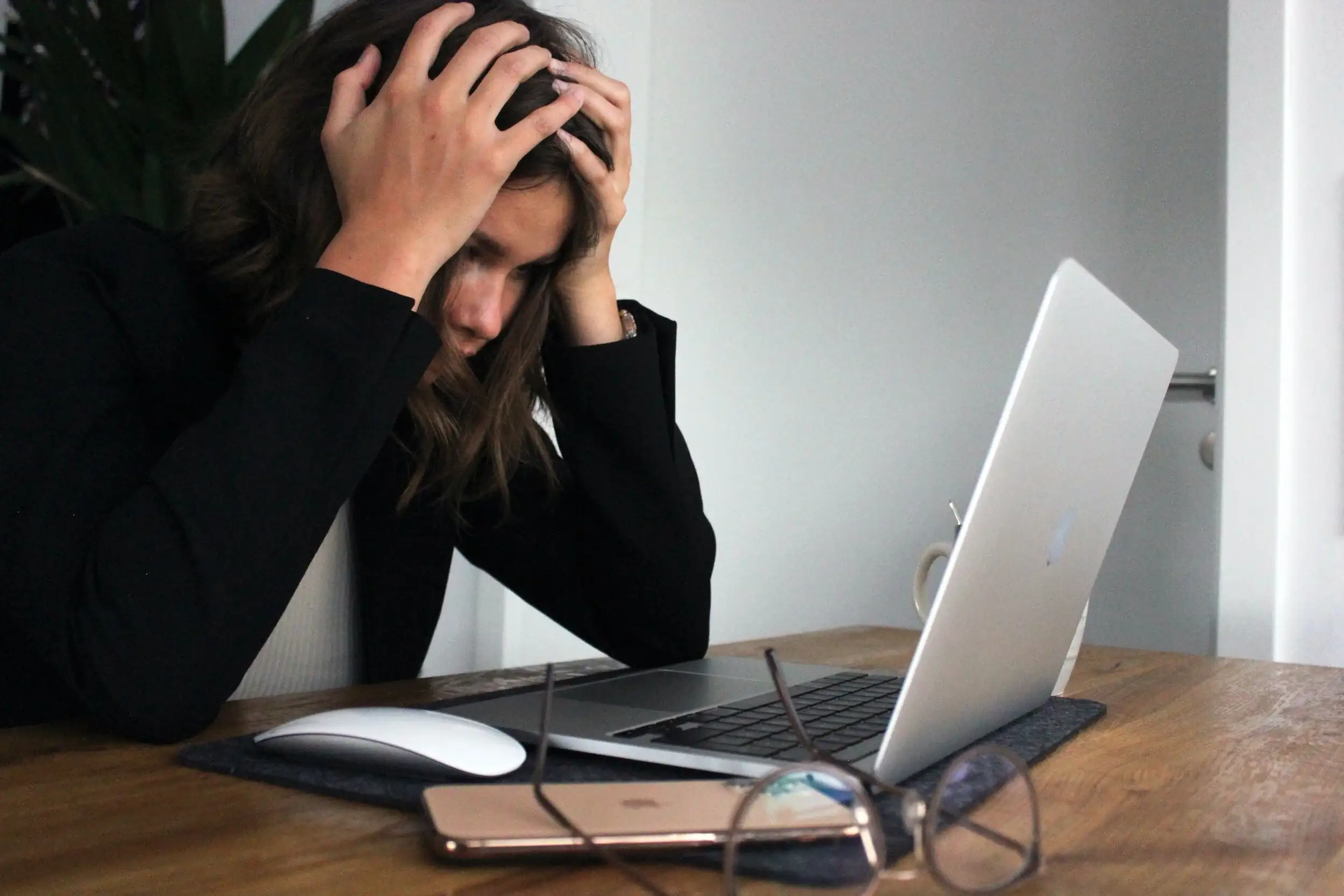
Many people deal with workplace anxiety when work pressure, conflict, or uncertainty leads to ongoing worry. It can affect mood, focus, sleep, physical symptoms, and job performance.
When anxiety at work lasts and gets in the way of daily life, it may be more than short-term stress. Anat Joseph, LCSW, PsyA, is a licensed mental health professional who evaluates these patterns through clinical assessment and psychotherapy.
Key Takeaways
- Workplace anxiety can affect mood, focus, sleep, the body, and job performance when symptoms continue over time.
- Common triggers include deadlines, conflict, fear of mistakes, and worry about job security or workload.
- Workplace anxiety can be situational, but it can also be linked to generalized anxiety disorder or other anxiety disorders.
- Tools such as deep breathing, routines, and healthy limits may help, but some people need therapy and clinical care.
- The Americans with Disabilities Act may protect workers with qualifying anxiety disorders and support reasonable accommodations.
Is Workplace Anxiety Normal?
Understanding Anxiety in the Workplace
Anxiety in the workplace is common. Many people feel stress and anxiety during deadlines, meetings, reviews, or job changes. Short-term anxiety at work may decrease after the stress passes.

When Anxiety Becomes a Disorder
Anxiety becomes more serious when it is strong, lasts a long time, and is hard to control. A person may have anxiety, including constant worry, poor sleep, and trouble focusing. A mental health professional can tell the difference between general anxiety and a disorder.
Workplace Anxiety vs Generalized Anxiety Disorder
Workplace anxiety may stay tied to job stress. Generalized anxiety disorder affects many parts of life, not just work. A person may feel anxious about work, health, family, and daily tasks simultaneously.
Working with an experienced anxiety therapist in NYC can help a person understand whether symptoms are work-based or part of generalized anxiety disorder. This matters because the treatment plan may change based on the cause. Clear diagnosis supports better care.
Workplace Anxiety and Depression
Workplace anxiety and depression can happen together. A person may feel tense, low in energy, sad, or feel overwhelmed at the same time. These mental health conditions can affect work-life balance and daily life.
Workplace Anxiety Symptoms and Warning Signs
Emotional and Psychological Symptoms
Common emotional signs include fear, dread, irritability, and anxious thoughts. Feeling anxious at work may also mean staying tense after work ends. Some people keep thinking about work problems for hours.

Physical Symptoms at Work
Workplace anxiety can cause physical symptoms such as headaches, stomach upset, sweating, tiredness, and muscle tension. A person may also notice fast breathing or a racing heart. These bodily reactions can occur even without a physical illness.
Cognitive and Performance Effects
Anxiety at work can make it harder to focus, think clearly, and make choices. It can also increase self-doubt and fear of mistakes. Over time, this can hurt job performance.
Anxiety About Going to Work Every Day
Some people feel stress before the workday starts. Anxiety about going to work every day may include dread, poor sleep, or feeling stressed in the morning. When this keeps happening, support may be needed.
What Causes Workplace Anxiety
Common Workplace Anxiety Triggers
Common triggers include deadlines, unclear roles, changes at work, and being watched or judged. These stressors can raise anxiety in the workplace, and show how anxiety can be caused by stress in work settings. Personal history and general anxiety can also shape how a person reacts.
Workload, Deadlines, and Pressure
A heavy workload can make a person feel anxious about work. Tight deadlines and high pressure often raise stress and anxiety. If this goes on for too long, it may affect sleep, mood, and work-life balance.
Structured support, such as work stress therapy, may help when workload stress becomes chronic. Therapy can help a person understand the pattern and respond in healthier ways. This can lower distress over time.
Conflict With Coworkers or Management
Conflict with coworkers or managers can raise anxiety at work. A person may fear criticism, feel watched, or expect negative reactions. This can make teamwork and communication harder.

Job Uncertainty and Fear of Failure
Worry about losing a job or making mistakes can increase workplace anxiety. Fear of failure may lead to avoidance, overchecking, or harsh self-judgment. These patterns can keep anxiety active.
How Workplace Anxiety Affects Your Life
Impact on Productivity and Performance
Workplace anxiety can lower focus, speed, and follow-through. A person may put off tasks, overthink simple steps, or struggle to finish work. This often affects job performance.
Effects on Confidence and Career Growth
Ongoing anxiety can hurt confidence. A person may avoid speaking up, asking for help, or trying for new roles. Over time, that can limit growth at work.
Work Anxiety Ruining Your Life
Severe work anxiety can affect sleep, relationships, and daily well-being. A person may stay tense after work, feel drained, or lose interest in normal life. When work anxiety is ruining your life, treatment should be considered.
Effects on Professional Relationships
Anxiety can affect trust and teamwork. A person may pull back, misread feedback, or expect conflict. This can strain work relationships.
How Workplace Anxiety Affects Physical Health
Long-term workplace anxiety keeps the body under stress. That can lead to poor sleep, fatigue, muscle tension, and other physical symptoms. It can also make headaches and stomach pain worse.
Workplace Anxiety Disorder and Diagnosis
Workplace Anxiety Disorder Explained
There is no single diagnosis that fits every case of workplace anxiety. Still, work-related symptoms may fall under known anxiety disorders. These may include generalized anxiety disorder or other patterns linked to fear, worry, and avoidance.
Workplace Anxiety Scale and Assessment
Assessment tools can help measure the severity of symptoms. A workplace anxiety scale may look at avoidance, stress reactions, and focus problems. These tools help guide clinical judgment.
Workplace Anxiety Questionnaire Overview
Questionnaires can help track mood, body symptoms, and daily function. They can also help compare work-based distress with general anxiety. This supports clearer treatment planning.
How Mental Health Professionals Diagnose Workplace Anxiety
A mental health professional looks at symptoms, triggers, how long they last, and how much they affect life. The process may include interviews, screening tools, and questions about sleep, work, and mood. This helps show whether the problem is short-term stress or a broader condition.
Workplace Anxiety Treatment Options
Psychotherapy and Emotional Support
Psychotherapy is a common treatment for workplace anxiety. It helps people understand anxious thoughts, emotional triggers, and repeating patterns. Therapy can also support better coping and self-awareness.
How Therapy Helps Treat Workplace Anxiety
Therapy can help a person understand fears of failure, perfectionism, or judgment. It may teach skills such as deep breathing and other tools that reduce anxiety and improve emotional balance. In many cases, treatment addresses both work stress and broader mental health conditions.

Long-Term Treatment and Recovery
Recovery depends on symptom severity, work setting, and personal history. Some people improve with short-term care. Others need longer support for anxiety disorders.
When to Seek Professional Help
It may be time to seek professional care when anxiety affects work, sleep, health, or relationships. A person who is feeling overwhelmed most days may need help. Early treatment can prevent symptoms from worsening.
How to Cope With Anxiety at Work
Daily Coping Strategies at Work
Simple steps can help. A routine, smaller task lists, breaks, and realistic pacing may reduce overload. These habits are more useful when done often.
How the 3-3-3 Anxiety Rule Helps
The 3-3-3 rule for anxiety is a grounding tool. It helps shift attention away from anxious thoughts and back to the present. This may help during meetings, deadlines, or conflicts.
How the 555 Rule Helps Anxiety
The 555 rule asks whether a stressor will matter in five minutes, five months, or five years. This can help lower panic and create perspective. It is a simple tool, but it does not replace treatment.
Setting Healthy Work Boundaries
Some people need to set boundaries to protect time and energy. That may mean limiting after-hours work, setting clear expectations, or pacing tasks more effectively. Healthy limits support work-life balance and lower burnout.
Your Rights and Career Decisions With Anxiety
Anxiety at Work and Your Rights
The Americans with Disabilities Act may protect workers whose anxiety disorders greatly affect daily functioning. In some cases, employees may request reasonable accommodations. These rights can support fair treatment in the workplace.
Workplace Accommodations for Anxiety
Accommodations may include schedule changes, lower noise, workload changes, or clearer instructions. These supports can lower strain and improve focus. They should fit the person’s needs and job duties.
Should You Quit a Job Due to Anxiety
Quitting is not always the first answer. Some people improve when they get treatment, address triggers, and set boundaries at work. If symptoms persist after support, a career change may require careful review.
When to Consider a Consultation
If workplace anxiety is affecting your focus, sleep, or job performance, it may help to speak with a licensed mental health professional. Anat Joseph, LCSW, PsyA, provides psychotherapy for children, adolescents, and adults. Consider scheduling an appointment.
Because Your Happiness Matters.
