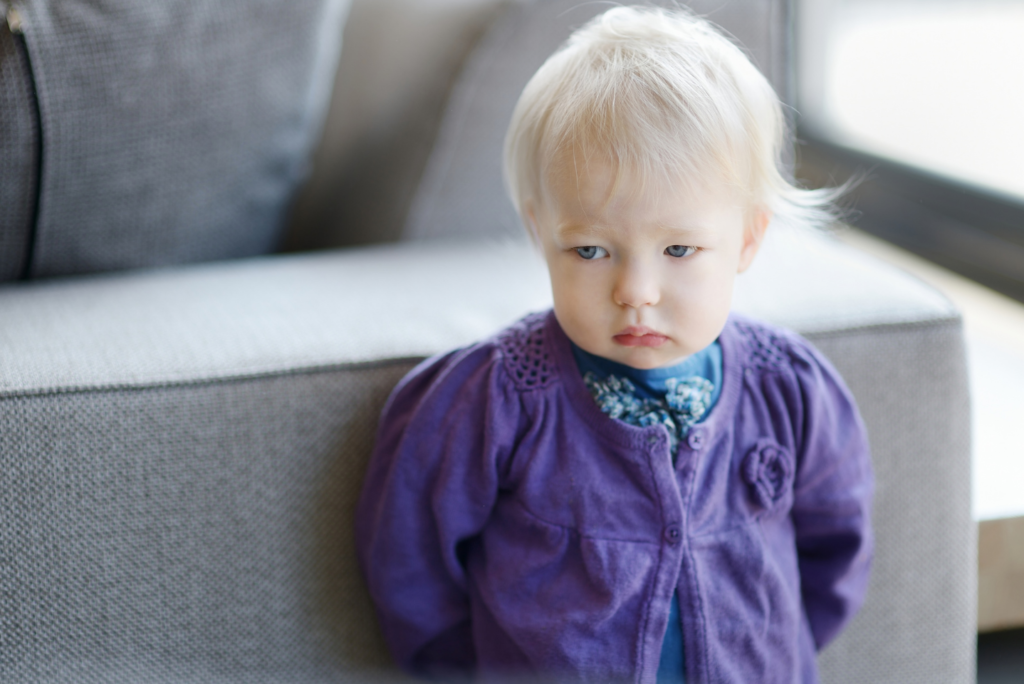
Separation anxiety is a common developmental response that can appear when a young child becomes distressed during separation from trusted caregivers.
Toddler separation anxiety often shows through crying, clinging, fear at drop-off, sleep changes, or strong distress when a parent leaves the room.
Anat Joseph, LCSW, PsyA, works with children, adolescents, adults, and families through a clinical lens informed by psychoanalytic understanding. This article explains what separation anxiety means, why it happens, how parents can respond, and when symptoms may need professional support.
Key Takeaways
- Toddler separation anxiety is often normal and can reflect healthy attachment to trusted caregivers.
- Common signs include crying, clinging, distress at daycare, bedtime resistance, and fear when a caregiver leaves.
- Predictable routines, short goodbyes, and brief practice separations can help toddlers build trust over time.
- Professional support may help when anxiety is intense, persistent, or disrupts sleep, school, or daily routines.
Is Toddler Separation Anxiety Normal?
Toddler separation anxiety is often a normal part of early development. It can reflect healthy attachment, especially when a child seeks comfort from primary caregivers in times of stress.
The concern usually depends on intensity, duration, and how much the anxiety disrupts daily life.
Separation Anxiety in Toddlers Age 2
Separation anxiety in toddlers aged 2 can appear during daycare, bedtime, transitions, or changes in routine.
A 2-year-old may understand that a parent leaves, but may not fully trust when the parent will return. This can make short separations feel larger than they seem to adults.
Separation Anxiety at Age 3
Separation anxiety at age 3 can still be normal, especially during stress, illness, school changes, or family transitions.
At this age, children may use more words but still struggle to manage strong feelings. If fear becomes persistent or limits normal activities, a deeper evaluation may help.
When Does Separation Anxiety Start?
Many parents ask, when does separation anxiety start, because the timing can feel sudden. Separation anxiety may begin in infancy and become more visible as a child gains memory, attachment, and awareness of distance.
Clinical sources describe separation anxiety as common in infancy and toddlerhood, often connected to object permanence and trust in the caregiver’s return.
You may also want to read: Why Does My Toddler Wake Up Crying at Night

Infants and Separation Anxiety
Infants and separation anxiety are closely connected to early attachment development. Babies may become upset when a familiar caregiver leaves because they rely on that person for safety, comfort, and regulation.
This does not mean something is wrong, but it does show that the baby recognizes trusted people.
Stranger Anxiety Age
The stranger anxiety age often begins in the second half of the first year, though timing varies. A baby or toddler may cry, turn away, or cling when an unfamiliar person approaches.
This response often overlaps with separation anxiety because both involve safety, familiarity, and trust.
Common Signs and Triggers
The signs of separation anxiety can look different from child to child. Some children show distress through crying, while others become quiet, tense, or resistant before a separation.
Triggers often include daycare, bedtime, travel, illness, new caregivers, or changes in family routine.
Crying, Clinging, and Fear
Crying and clinging are common signs when a child expects a caregiver to leave. A toddler may grab a parent’s clothing, block the door, or ask repeated questions. These behaviors often show fear, not defiance.
Toddler Separation Anxiety From Mom
Toddler separation anxiety from mom can happen when the child sees the mother as the main source of comfort. It can also happen with fathers, grandparents, or other primary caregivers.
The key issue is not the parents’ role, but the child’s attachment and sense of safety.
You may also want to read: Anxiety disorder and parenting: what every parent should know

Toddler Separation Anxiety Daycare
Toddler separation anxiety and daycare concerns are common because drop-off involves a clear separation.
A practical example is a toddler crying at the classroom door, holding a parent’s leg, then calming once a teacher begins a familiar activity. Parents can help by using the same goodbye phrase each day, giving one hug, and leaving after the handoff.
Toddler Separation Anxiety at Night
Toddler separation anxiety at night can appear as bedtime resistance, repeated calling, or fear of sleeping alone.
A child may ask for water, request another hug, or leave the bed several times to check that a parent is nearby. A calm routine, such as bath, book, brief reassurance, and lights out, can make bedtime more predictable.
Why Separation Anxiety Happens
Separation anxiety happens because young children are still developing emotional regulation, memory, and trust in routines.
Their brains are learning that a caregiver can leave and return. Stress, fatigue, and change can make this learning process harder.
You may also be interested in: Separation Anxiety in Teens – What Parents Need to Know
Object Permanence
Object permanence means a child begins to understand that people and things still exist when out of sight. This skill helps development, but it can also make separation more upsetting.
The child knows the caregiver is gone, but may not feel secure about the return.
Changes in Routine
Changes in routine can increase separation anxiety because toddlers depend on predictable patterns. A new daycare, a new home, a new sibling, or a different caregiver can make separations feel uncertain. Clear routines help reduce confusion and give the child a sense of order.
Stress, Fatigue, or Illness
Stress, fatigue, or illness can make separation anxiety stronger. A tired or sick toddler has fewer emotional resources to manage a goodbye.
Parents may notice more clinging during these times, even if the child usually separates well.
How to Reduce Separation Anxiety in Toddlers
Parents can reduce separation anxiety by using calm, consistent, and predictable responses. The goal is not to remove every feeling of distress, but to help the child build trust in separation and return.
Pediatric guidance often recommends preparation, short transitions, and consistent routines for separation anxiety.
Short Goodbyes and Routines
Short goodbyes help children understand that leaving is part of the routine. A parent might say, “I will come back after snack,” and then leave without returning.
Long goodbyes can increase worry because the child senses uncertainty.
Practice Brief Separations
Brief separations give toddlers a chance to learn that caregivers come back. Parents can start with short moments in another room, then build toward longer separations.
The experience works best when the adult returns as promised.
The 3-3-3 Rule for Anxiety
The 3-3-3 rule for anxiety is a grounding tool that helps a child notice the present moment.
A parent may guide the child to name three things they see, three sounds they hear, and three body parts they can move. Very young toddlers may need a simpler version with pointing, naming, or breathing.
How to Help a Baby With Separation Anxiety
Parents asking how to help a baby with separation anxiety can focus on warmth, repetition, and short practice separations.
A baby may benefit from familiar routines, calm handoffs, and comfort objects when age-appropriate. Caregivers should avoid sudden disappearances when possible, because predictable goodbyes help build trust.
What Parents Should Avoid
Parents should avoid shaming, sneaking away, or treating the child’s fear as manipulation.
These responses may increase confusion and make separation feel less predictable. It is usually more helpful to stay calm, name the feeling, and keep the goodbye clear.
When to Seek Professional Help
Professional support may help when anxiety is intense, persistent, or disruptive.
- Red flags can include:
- Panic-like distress before every separation
- Refusal to attend daycare or school
- Repeated sleep disruption
- Frequent physical complaints before separation
- Fear that something bad will happen to a caregiver.
Clinical guidance distinguishes common developmental anxiety from separation anxiety disorder when symptoms are stronger, last longer, and interfere with daily life.
How Therapy Can Support Families
Therapy can help families understand the child’s fear, family patterns, and emotional needs. A licensed clinical professional may work with parents, the child, or both, depending on age and concerns.
The process can support clearer routines, better communication, and a deeper understanding of the child’s distress.