


Counseling and psychotherapy use theory to help therapists understand thoughts, feelings, and relationships. The idea, often called the theory of practice of counseling and psychotherapy, shows how theory connects to real therapy work.
These models help clinicians understand problems, choose methods, and plan care. In clinical settings such as those where Anat Joseph, LCSW, PsyA, practices, theory helps support careful and ethical decisions.
Key Takeaways
- Counseling and psychotherapy use theory models to help therapists understand distress and plan care.
- The Gerald Corey theory and practice of counseling framework explains major therapy approaches and shows how theory connects to practice.
- Main counseling models, such as psychodynamic, cognitive behavioral, and humanistic therapy, offer different ways to understand emotional struggles and change.
- Therapists often use an integrative approach that combines more than one theory to fit each client’s needs.
What Is the Theory and Practice of Counseling and Psychotherapy
This phrase refers to a group of therapy models that guide how therapists understand distress and behavior. Counseling theories give a clear way to understand anxiety, trauma, depression, and relationship problems.
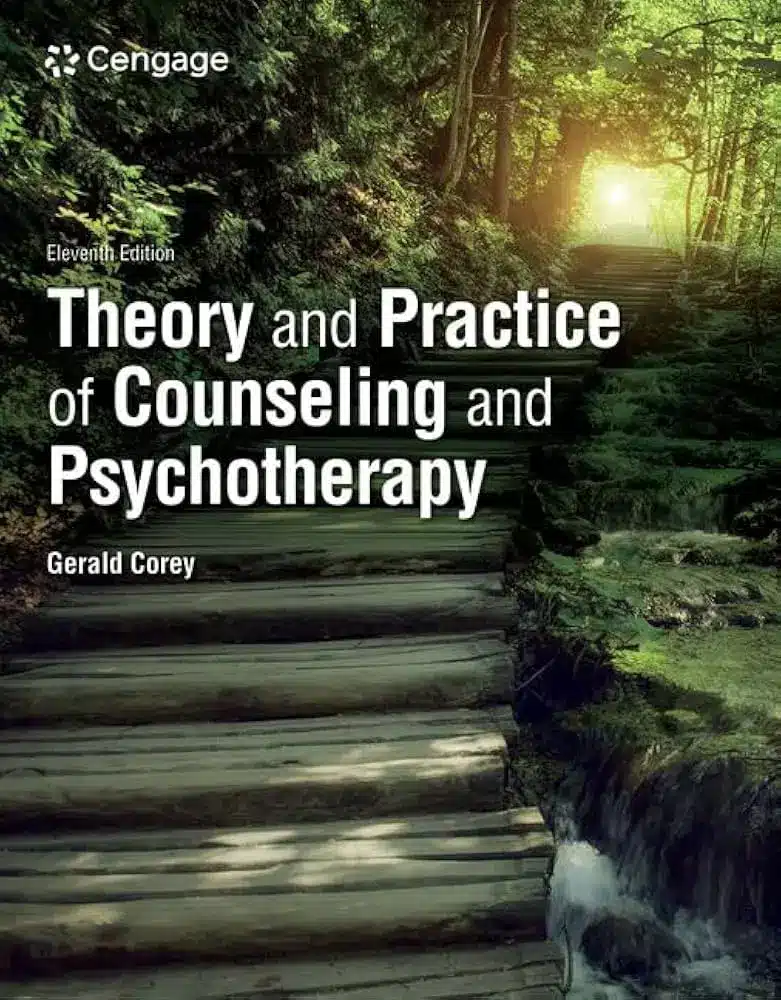
The well-known textbook Gerald Corey’s Theory and Practice of Counseling explains how these models guide therapy and training.
Purpose of Counseling and Psychotherapy Theories
Counseling theories help therapists understand patterns in thoughts and feelings. They also support the broader goals of psychotherapy. These models help therapists build a clear treatment plan.
Role of Theory in Therapist Training
Training programs rely on theory, including counseling and psychotherapy theories. The Corey theory and practice of counseling and psychotherapy text is widely used in graduate counseling programs.
Who Wrote the Theory and Practice of Counseling and Psychotherapy
Psychologist Gerald Corey wrote the textbook. His work has shaped counseling education by clarifying many psychotherapy theories.
Gerald Corey and His Counseling Approach
Corey teaches that therapists should know several counseling theories, not just one. This view supports flexible therapy work.
Why Corey’s Book Is Widely Used
The Gerald Corey theory and practice of counseling text explains complex therapy models in simple terms. Counseling programs often use it in training.
What Are the Theories of Counseling and Psychotherapy
Counseling theory includes several main approaches that explain emotional growth and change. These approaches are further explained in this overview of psychotherapy theories.
Common approaches include:
• Psychodynamic therapy
• Cognitive behavioral therapy
• Humanistic therapy
Psychodynamic Therapy
Psychodynamic therapy looks at how early relationships and unconscious patterns shape feelings and behavior.
Cognitive Behavioral Therapy
Cognitive-behavioral therapy (CBT) focuses on the link between thoughts, feelings, and actions.

Humanistic and Existential Approaches
Humanistic and existential approaches focus on self-awareness, choice, and personal meaning.
How Counselors Apply These Therapy Theories
Therapists rarely use only one model, especially in forms of care such as individual psychotherapy. Clinical work often means choosing methods that fit the client’s needs and history.
This flexible style reflects the view described in Corey’s Theory and Practice of Counseling and Psychotherapy.
Choosing the Right Counseling Approach
Therapists look at the client’s concerns, history, and treatment goals when choosing a therapy approach.
Integrative and Eclectic Therapy Models
Many clinicians use integrative therapy. This method combines ideas from different therapy models.
Key Counseling Principles and Frameworks
Counseling also depends on ethical principles and clear assessment models that guide safe care.
What Are the 7 Principles of Counseling
These principles describe the ethical basis of professional therapy.
Common counseling principles include:
• Respect for the client’s autonomy
• Beneficence, acting in the client’s best interest
• Nonmaleficence, avoiding harm
• Justice, treating clients fairly
• Fidelity, maintaining trust
• Veracity, being honest with clients
• Confidentiality, protecting private information
What Are the 5 P’s of Counselling
The five P’s model helps therapists organize clinical understanding.
• Presenting problem
• Predisposing factors
• Precipitating factors
• Perpetuating factors
• Protective factors
When to Consider Counseling Support
Understanding counseling theories can help explain how therapy works and how therapists choose different approaches.
If you would like professional guidance, you may consider scheduling a consultation with Anat Joseph, LCSW, PsyA, to discuss whether psychotherapy may be helpful for your situation.
