

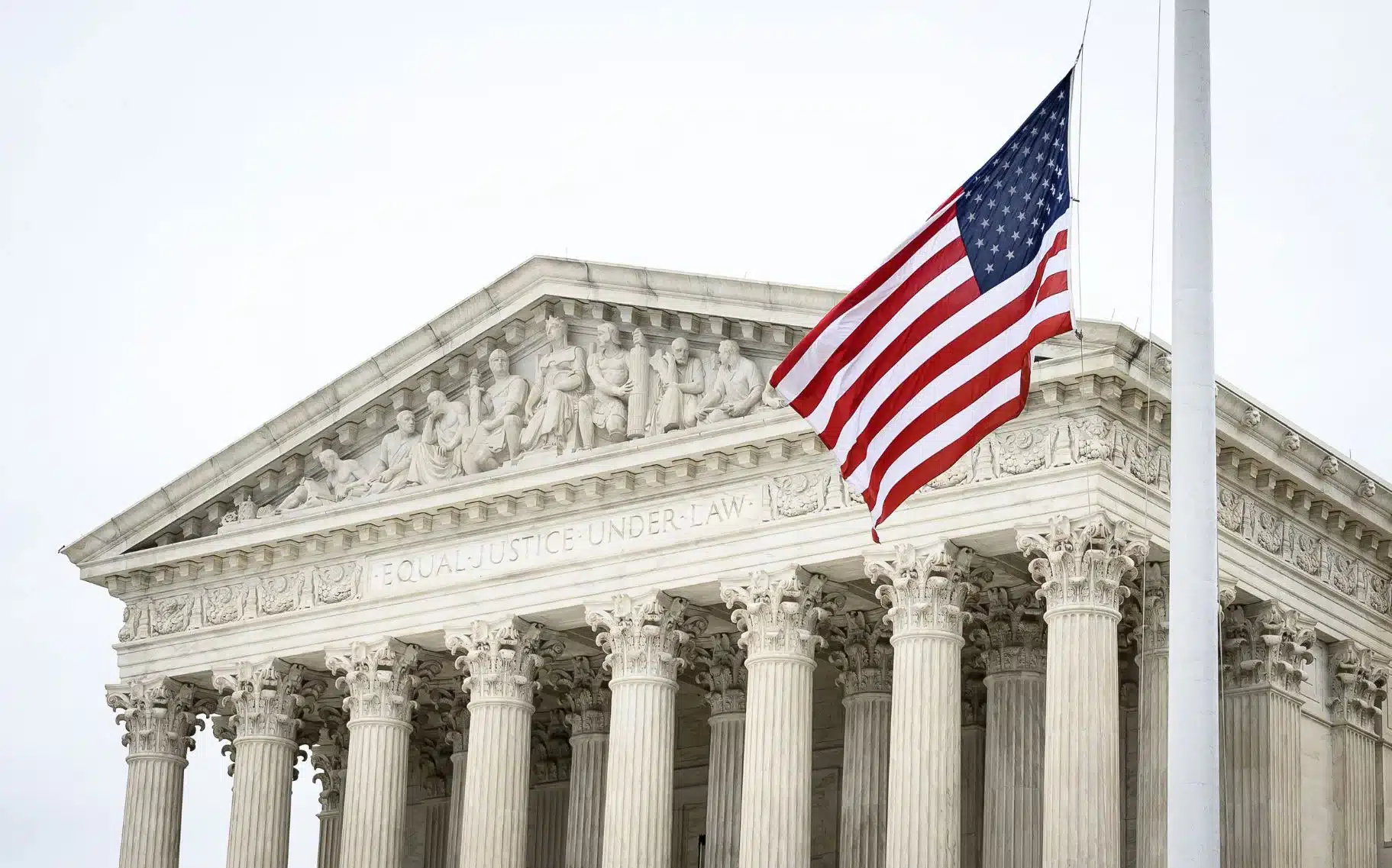
Authorities can subpoena psychotherapy notes, but only in limited circumstances and with strict legal protections. These notes have stronger privacy rules than regular mental health records. Courts rarely request them unless the information is crucial to a case. When clients understand when they can disclose information, they know how lawyers handle their information during legal proceedings.
This overview gives clear guidance on how therapists keep counseling session details private. It also explains what happens when a court requests documents.
Key Takeaways
- Hair products rarely cause permanent baldness, but irritation, buildup, or strong detergents can lead to hair shedding or make thinning hair more noticeable.
- Shampoo does not typically damage hair follicles, yet harsh formulas or frequent washing can create dryness and hair breakage that mimic true hair loss.
- Styling products, tight hairstyles, and heat can stress the hair and scalp, leading to surface-level damage rather than genetic or medical types of hair loss.
- Hormonal changes, illness, stress, and genetic conditions like male pattern baldness and telogen effluvium play a much larger role in long-term density changes than daily products.
- Choosing gentle cleansers, reducing buildup, and protecting both the scalp and hair with lighter routines can prevent hair from weakening and support healthier growth over time.
When Therapy Notes Can Be Used in Court
Courts sometimes request mental health records when a case involves safety, custody questions, or medical issues. The question of whether therapy notes can be used in court depends on the type of documentation requested and the purpose of the legal claim. Most legal requests focus on progress notes rather than the therapist’s personal notes, because progress notes track dates, treatment goals, and measurable updates. These documents help the court understand the course of treatment without exposing private reflections.
A lawyer can subpoena mental health records if they are relevant to the case. The therapist must verify the request before sharing information and confirm whether the subpoena is valid under state laws. Some states require additional steps to protect sensitive details, and the therapist may ask the court to limit what is released. This review protects a client’s privacy while ensuring compliance with legal requirements.
State rules vary between regions such as California and Texas. In California, strong privacy laws limit the sharing of psychotherapy notes unless a court order specifically requests them. In Texas, mental health documentation can still be protected, but the process for challenging a subpoena may differ. Understanding these differences helps clients see why therapists take time to verify each request.
What Psychotherapy Notes Are
Psychotherapy notes are personal notes written by a mental health professional documenting clinical thoughts, observations, or session impressions, as explained in this guide on what psychotherapy notes are.
They may describe emotional reactions, themes discussed in a private counseling session, or ideas the therapist is analyzing for future work. These notes help the clinician track insight, reflect on patterns, and plan future interventions, especially when working within approaches such as modern psychoanalysis.
Progress notes serve a different role and are kept separate from the rest of the record. Progress notes may include symptoms, treatment plans, medications, or session dates. This structure helps distinguish what is used for health care and billing from what is used for deeper clinical reflection. Because the contents differ, progress notes and psychotherapy notes carry different levels of legal protection.
Psychotherapy notes typically include only the therapist’s thoughts or summaries, not detailed records of everything said in the session. These notes, recorded by the clinician, are narrow in scope so they can support clinical judgment. They may include themes that the therapist is analyzing over time. Keeping them separate helps ensure that personal reflections remain confidential except in rare legal situations.
Legal Protections for Psychotherapy Notes
Psychotherapy notes receive stronger protections than other mental health documentation under federal rules. A HIPAA psychotherapy note is protected under the Health Insurance Portability and Accountability Act (HIPAA). The Department of Health and Human Services sets rules to reduce unnecessary sharing of sensitive information. These protections limit what can be disclosed during legal requests, audits, or insurance reviews.
Privilege creates another layer of protection. Privilege means that particular communication between a client and therapist cannot be shared in court unless the client permits it or a judge orders it. Psychotherapy notes often fall under this privilege because they include private thoughts recorded after a session. Privilege helps maintain trust during therapy so clients feel safe discussing important topics.
Some legal cases may challenge privilege, but this generally requires a strong justification. A judge may order limited disclosure if safety concerns exist or if the records are essential for resolving a legal dispute. Even then, the therapist works to provide only what is necessary. This process keeps personal notes as protected as possible while complying with the law.

Exceptions That Allow Disclosure
There are a few situations in which psychotherapy notes can be disclosed. Some exceptions include court orders requiring the therapist to release certain details. When a court order is issued, the therapist must follow it, but they can ask the judge to review the records privately before they are shared. This step protects sensitive material and keeps disclosure narrow.
HIPAA exceptions may also apply when someone is in immediate danger. If a client threatens harm to themselves or others, a therapist may share necessary information to keep everyone safe. These disclosures are limited and intended only to prevent harm. They do not allow full access to psychotherapy notes unless required by law.
Mandated reporting is another exception. Mental health professionals must report suspected abuse or neglect in many states. These requirements do not usually involve sharing psychotherapy notes, but they may require reporting limited facts about the concern. The goal is to support safety without exposing private reflections.
Patient Access to Notes
A common question is: “Do I have a right to see my therapy notes?” Under HIPAA, clients can access most of their mental health records, including progress notes and treatment summaries. However, psychotherapy notes are treated differently because they are personal notes written for clinical use, not for record-keeping.
Clients may ask whether psychotherapy notes can be released to the patient. The answer depends on federal and state laws, but in most cases, these notes remain private unless the therapist chooses to share them. This protects the therapy process and prevents misunderstandings about clinical observations. Clients can still access treatment plans, diagnoses, or other information that supports their care, whether they work in person or through online therapy options in NYC.
If a therapist believes releasing particular reflections may harm the client, they can provide a summary instead. This summary may explain the overall direction of therapy without exposing private reflections. The goal is to keep the process transparent while protecting the therapeutic relationship.
How Therapists Respond to Subpoenas
Mental health professionals follow a straightforward process when they receive a subpoena for records and psychotherapy notes. A therapist first verifies whether the subpoena is legally valid and whether the court has jurisdiction. If it is not valid, the therapist may decline to release the information and notify the requesting party. This step ensures that no information is shared improperly.
If the request appears valid, the therapist consults legal counsel. Legal guidance helps determine what must be released and what is still protected. Sometimes, only progress notes or certain parts of mental health records are required. If psychotherapy notes are included in the request, the therapist can ask the court to limit disclosure or review the information privately.
Therapists document each step they take in response to the subpoena. This documentation shows compliance with state laws and federal rules such as the Portability and Accountability Act. It also protects the client’s rights and maintains trust. Anat Joseph often explains this process to clients who want to understand how legal requests are managed.
What Clients Should Expect in Therapy
Clients should expect that psychotherapy notes remain separate from the rest of the record and are rarely shared. This structure keeps the therapy environment private and helps clients talk openly during sessions. It also supports ethical practice by defining which information stays confidential and which details belong in progress notes.
Confidentiality standards apply to all discussions in a private counseling session. Therapists only share information when the law requires it or when a client provides written permission. These limits help clients understand how their information is protected. Knowing the rules makes clients feel more secure in the therapeutic process.
Clients who have legal concerns or questions about sharing psychotherapy notes can discuss these issues directly with their therapist. Open communication helps clarify what is stored, what is protected, and what may be disclosed under specific conditions. This understanding builds trust and helps clients make informed decisions about their care.
