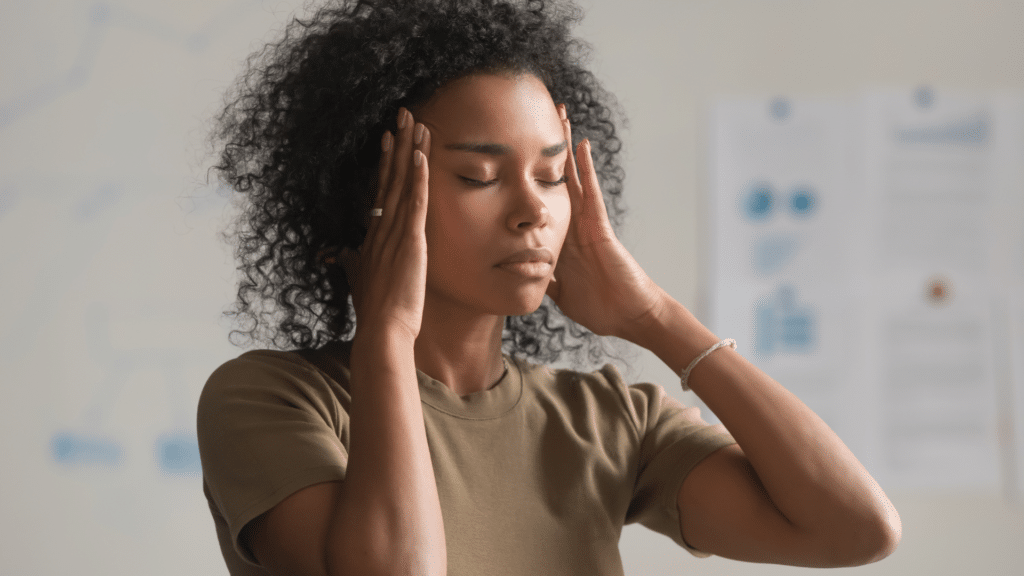
Yes, anxiety can contribute to headaches, especially when stress affects muscle tension, sleep, breathing, and pain sensitivity. The question “Can anxiety cause headaches?” does not always have one simple cause, because headaches can also come from dehydration, illness, vision strain, medication effects, migraine, or other medical issues. Anxiety may trigger head pain, worsen an existing headache disorder, or make pain feel harder to manage. A safe way to understand the link is to look at symptoms, patterns, triggers, and warning signs before assuming anxiety is the only cause.
Key Takeaways
- Anxiety can contribute to headaches, but it should not be assumed to be the only cause.
- Tension-type headaches may feel like tight pressure, while migraine may include throbbing pain, nausea, and light sensitivity.
- Dizziness, headaches in children, and warning signs deserve careful attention.
- Safe care starts with symptom tracking, healthy routines, and medical evaluation when symptoms are severe, new, or recurring.
The Short Answer
Anxiety can make headaches more likely because the body stays in a stress response for too long. Muscles in the scalp, jaw, neck, and shoulders may tighten, and this can lead to pressure or aching around the head. Stress is also a known trigger for tension-type headaches and migraines, according to Mayo Clinic guidance on stress and headache prevention.
A person may wonder, “Does anxiety make your head hurt?” when head pain appears during worry, panic, or a stressful period. The answer is yes, but anxiety should not become a catch-all explanation. A new, severe, recurring, or unusual headache deserves attention because headache causes vary widely. Mayo Clinic notes that most headaches are not serious, but some need urgent care.
What Does an Anxiety Headache Feel Like?
An anxiety-related headache may feel like pressure, tightness, aching, or a band around the head. Some people feel pain in the temples, forehead, scalp, neck, or shoulders. The pattern can change based on sleep, hydration, screen use, posture, and stress level. Tracking headache symptoms can help show whether pain follows worry, panic, poor sleep, skipped meals, or another trigger.

Tension Headaches and Anxiety Disorder
The phrase “tension headaches and anxiety disorder” describes a common overlap, but it does not mean every tension headache comes from anxiety. A tension-type headache often causes mild to moderate pain that can feel like a tight band around the head. Mayo Clinic describes tension-type headache as the most common headache type, though its exact causes are not fully understood.
You may also want to read: An Anxiety Disorder Can Be Caused by Stress Over Time
Migraine and Anxiety
Migraine anxiety refers to the relationship between migraine symptoms and anxious thoughts, fear, or nervous system sensitivity. Anxiety may appear before, during, or after migraine attacks, and migraine symptoms may also increase anxiety because the pain can interrupt plans, school, work, and sleep. ADAA notes that migraines and chronic daily headaches are common among people with anxiety disorders.
Head Pressure and Neck Pain
Anxiety can contribute to head pressure when muscles stay tight or breathing becomes shallow. Neck pain may also occur when stress changes posture or increases shoulder tension. This does not prove anxiety is the only cause, but it can explain why pain may appear during stressful periods. A headache diary can help connect symptoms with triggers.
Can Anxiety Cause Headaches and Dizziness?
Anxiety may cause headaches and dizziness in some people, especially during panic, shallow breathing, poor sleep, or high stress. Dizziness can feel like lightheadedness, unsteadiness, or a floating feeling. It may also come from inner ear problems, low blood sugar, dehydration, medication, migraine, or other medical causes. This is why the pattern and severity matter.
Why Dizziness Can Happen
During anxiety, breathing may become faster or less steady. This can change how the body feels and may create lightheadedness, chest tightness, or tingling. Stress can also increase muscle tension and fatigue, which may make dizziness feel worse. If dizziness appears with headache, it should be reviewed in context rather than assumed to be anxiety.
When Dizziness Needs Care
Dizziness needs medical care when it is sudden, severe, recurring, or linked with fainting, weakness, confusion, chest pain, trouble speaking, vision changes, or trouble walking. These symptoms can point to conditions that need prompt evaluation. A doctor can review timing, medications, hydration, blood pressure, migraine history, and neurological symptoms. This helps separate anxiety-related dizziness from other causes.

Can Anxiety Cause Headaches in Kids?
Anxiety can contribute to headaches in children, but children may describe symptoms differently than adults. A child may say their head hurts, their stomach hurts, or they feel tired before school, tests, social events, or changes in routine. Stress and anxiety can also affect sleep and appetite, which can make headaches more likely. Children with frequent or worsening headaches should be evaluated by a pediatrician.
You may also want to read: Teen Therapy New York: Helping Teens with Mental Health
Common Signs in Children
Children may show anxiety-related headaches through irritability, school avoidance, trouble sleeping, stomach discomfort, or repeated requests to rest. Some children may not have the words to describe worry, so the headache becomes the visible concern. Parents can track when headaches occur, how long they last, and what helps. Patterns can support better conversations with a clinician.
When Parents Should Seek Care
Parents should seek care if a child has severe headaches, morning vomiting, vision changes, fainting, weakness, fever, head injury, or headaches that wake the child from sleep. Care is also important when headaches affect school attendance, mood, sports, or daily routines. A pediatrician can screen for migraine, vision issues, sinus problems, sleep problems, medication effects, and emotional stress. This protects the child from missed causes.
Why Anxiety Can Trigger Headaches
Anxiety can trigger headaches through several body systems at once. The stress response can raise muscle tension, change sleep, affect breathing, and increase attention to pain. The link is also supported by research on anxiety disorders and primary headache disorders. In one study of patients with generalized anxiety disorder, primary headaches were more common and more severe than in controls, and migraine was especially common in the GAD group.
Muscle Tension and Stress Response
When the body prepares for threat, muscles may tighten even if no physical danger exists. This can affect the jaw, scalp, neck, and shoulders. Over time, that tension may create aching or pressure. This is one reason stress and anxiety can feel physical, not only emotional.
Sleep, Breathing, and Pain Sensitivity
Poor sleep can lower the body’s tolerance for pain. Shallow breathing can make the body feel tense or lightheaded. Anxiety can also make a person monitor symptoms more closely, which may increase distress around pain. These factors can make a mild headache feel more disruptive in daily life.
Anxiety Headache or Another Cause?
A headache that happens during anxiety may still have another cause. Dehydration, caffeine changes, skipped meals, eye strain, sinus illness, medication overuse, poor posture, hormonal changes, and infection can all play a role. Migraine can also cause nausea, light sensitivity, sound sensitivity, and throbbing pain. Mayo Clinic notes that migraine attacks can last 4 to 72 hours without treatment and may include pain on one or both sides of the head.
You may also be interested in: How Many People Are Affected By Anxiety?
Common Headache Triggers
Common triggers include poor sleep, long screen time, dehydration, alcohol, caffeine changes, missed meals, bright light, weather shifts, and stress. For some people, anxiety is one trigger among several. For others, headache pain itself creates more fear, which can continue the cycle. A simple log of symptoms, sleep, food, stress, and medication can help identify patterns.
Warning Signs to Watch For
Warning signs include sudden severe headache, the worst headache of life, headache after injury, fever with stiff neck, confusion, weakness, numbness, vision loss, trouble speaking, or headache with seizure. A new headache in pregnancy, cancer history, immune suppression, or older age also needs medical review. These signs do not mean the worst outcome is likely, but they do mean anxiety should not be assumed. Medical evaluation helps protect safety.
How Do You Get Rid of Anxiety Headaches?
The best approach depends on the headache type and the person’s health history. Short-term steps may reduce pain, while long-term care may focus on anxiety patterns, migraine prevention, sleep, and stress habits. Treatment options may include self-care, therapy, medication, physical relaxation strategies, or medical headache care. A clinician can help match care to the likely cause.
Short-Term Relief Options
Short-term relief may include hydration, a quiet room, gentle neck stretching, slow breathing, a regular meal, or a break from screens. Over-the-counter pain medicine may help some people, but it should be used according to label directions and medical guidance. Heat, massage, or relaxation exercises may help when muscle tension is part of the pattern. Mayo Clinic lists massage, deep breathing, biofeedback, and behavior therapies as useful approaches for coping with tension-type headaches.
Long-Term Anxiety Treatment
Long-term care may focus on anxiety skills, sleep, movement, and thought patterns that increase distress around pain. Therapy can help people respond to symptoms without panic and build routines that reduce repeated stress reactions. Medication may be appropriate for some people with recurring anxiety, migraine, or chronic headache disorders. Studies show a close relationship between headache disorders, anxiety and depression, so care may need to address more than one symptom area.
Daily Habits That May Help
Daily habits do not replace medical care, but they can reduce common headache triggers. Regular sleep, hydration, balanced meals, exercise, screen breaks, and consistent caffeine intake may support headache control. Stress-management routines can also reduce the chance that worry turns into physical tension. Small habits work best when they are realistic and repeated.
When to Talk to a Doctor or Therapist
Talk to a doctor or therapist if headaches are frequent, severe, new, worsening, or hard to explain. Professional support may also help when headaches begin to affect school, work, sleep, mood, relationships, or daily routines.
A medical provider can evaluate whether symptoms may relate to migraine, tension-type headache, medication effects, sleep issues, stress, anxiety, trauma, or another condition. Emotional stress and unresolved anxiety can sometimes contribute to physical symptoms, including ongoing headaches.
Anat Joseph, LCSW, PsyA, is a Licensed Clinical Social Worker and certified Psychoanalyst based in New York and New Jersey who works with children, adolescents, and adults facing anxiety, depression, trauma, and complex emotional challenges. Individuals dealing with stress-related symptoms, emotional overwhelm, or headaches connected to anxiety or daily stressors may consider scheduling an appointment with Anat Joseph for individualized therapeutic support.