


Anxiety diarrhea can happen when the central nervous system speeds up bowel movements during stressful situations, which can cause diarrhea, loose stools, and other digestive issues.
Anat Joseph, LCSW, PsyA, is a licensed clinical professional who understands that mental health symptoms can also show up in the body. If physical symptoms continue, consult a physician to rule out a medical cause.
Key Takeaways
- Anxiety and stress can affect the digestive system through the gut-brain axis, and that can trigger anxiety diarrhea.
- The fight or flight response and stress hormones can lead to abdominal pains, nausea, and loose stools.
- Anxiety diarrhea is often short-term, but chronic stress can make symptoms happen more often and may overlap with irritable bowel syndrome IBS.
- Managing stress, therapy, and medical care when needed can support gut health and reduce ongoing symptoms.
Can Anxiety Give You Diarrhea?
The answer is yes. Anxiety activates the central nervous system and changes how the digestive system moves waste. That faster response can lead to urgency, more bowel movements, loose stools, and even anxiety and sweating.

Can Stress Cause Diarrhea?
Stress can trigger diarrhea even in the absence of infection. Stress hormones can alter gut motility and fluid balance, leading to symptoms during periods of work pressure, travel, or other stressful situations. This is one reason many people get digestive symptoms before a hard event.
Can Stress and Anxiety Cause Diarrhea Together?
Yes, when both happen at once, the gut can become more sensitive. This makes symptoms feel more severe and can be a clear path to diarrhea. This is a common pattern in anxiety diarrhea.
The Gut Brain Connection Explained
The gut-brain| axis is the link between the brain and the gut. Signals from the brain can change digestion very fast. That is why stress and anxiety can create real stomach and bowel symptoms.
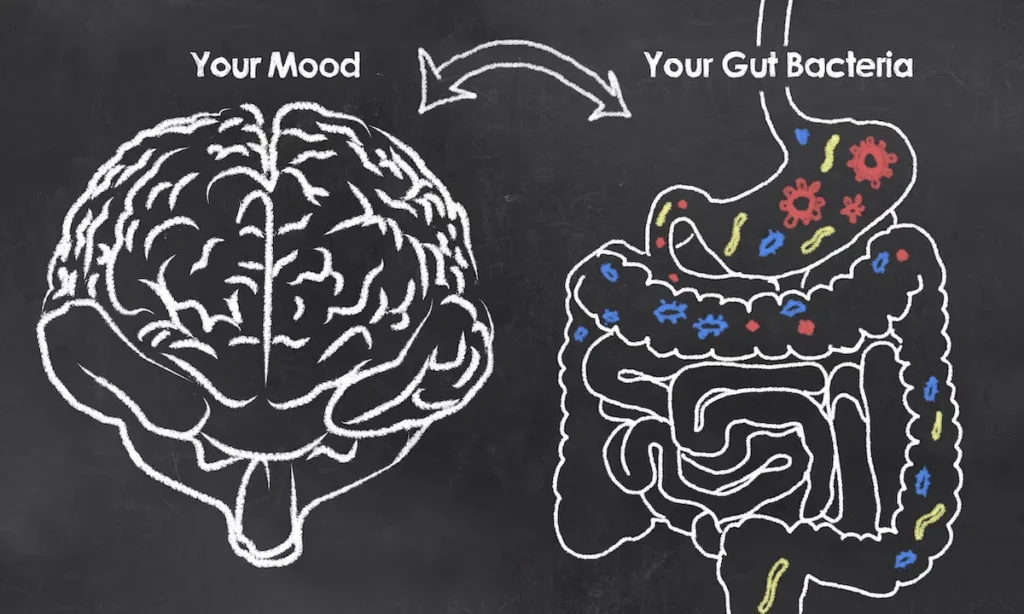
Why Anxiety Affects the Digestive System
Fight or Flight Response Effects
The fight-or-flight response prepares the body for danger. In that state, the body shifts energy away from normal digestion. This can speed up the gut and upset the stomach. That is one reason anxiety can trigger diarrhea.
Stress Hormones and Gut Motility
Stress hormones such as cortisol can speed up gut motility. When stool moves too fast, the body absorbs less water. That can cause loose stools and more urgent trips to the bathroom. Over time, this can also affect gut health.
Why Anxiety Causes Morning Diarrhea
Morning anxiety can feel worse because cortisol rises early in the day. Worry about work, school, or other stressful situations can then prompt the gut to react more quickly. That is why some people notice anxiety and diarrhea every morning. The pattern is real and common.
Risk Factors That Increase Anxiety and Diarrhea
People with chronic stress, anxiety disorders, or past digestive issues may be more likely to get anxiety diarrhea. Mental health conditions, such as different types of anxiety disorders, can make the body more alert and the gut more sensitive.
Poor sleep, skipped meals, and weak stress-management habits can also worsen symptoms. These factors can affect both stress levels and gut health.
Anxiety, Diarrhea, Symptoms, and Appearance
Common Anxiety Diarrhea Symptoms
Common symptoms include loose stools, urgent bowel movements, cramping, and abdominal pain. These digestive symptoms often start during or before stressful situations. They may get better when stress goes down. Some people also feel bloating or a nervous stomach.
Anxiety, Diarrhea, and Nausea
Anxiety can affect the stomach and the intestines at the same time. That is why nausea and diarrhea often happen together. The same stress response that upsets the stomach can also speed digestion. This can make anxiety diarrhea feel stronger.
What Anxiety Diarrhea Looks Like and Color Changes
Anxiety diarrhea often looks soft or watery because food moves too fast through the digestive system. Mild color change can happen, too. Black, bloody, or very pale stool needs medical care, especially if there is severe pain. If symptoms feel unusual, consult a physician.
How Long Does Anxiety Diarrhea Lasts
Short-Term Stress Episodes
Short-term anxiety diarrhea may last a few minutes or a few hours. It often starts before a stressful event and eases after the trigger passes. This is common in situational anxiety. It does not always mean there is a disease.
Chronic Anxiety and Digestive Issues
Longer patterns can happen when anxiety is frequent or when chronic stress stays active for weeks. Repeated stress can cause recurring digestive issues and may overlap with irritable bowel syndrome IBS. If symptoms keep coming back, the cause needs a closer look. A physician can help rule out other problems.
Is Anxiety Diarrhea Dangerous?
Anxiety diarrhea is usually not dangerous by itself. In many cases, it is a stress response, not an infection or disease. Still, repeated diarrhea can affect hydration, daily life, and gut health if it keeps happening. Ongoing symptoms should be checked by a physician.
How to Calm Anxiety and Diarrhea Fast
How to Calm Anxiety and Diarrhea Naturally
Slow breathing, grounding, and short rest can calm the body. These tools support managing stress and may reduce symptoms quickly. They can also help the gut settle after hard moments. Simple steps often work best at first.

How to Calm a Nervous Stomach
A nervous stomach often improves when the body feels safer and calmer. Gentle breathing, light meals, and slowing down after a stressful event may help. These steps support stress management and steadier digestion. They are simple, but often useful.
Immediate Anxiety Diarrhea Treatment
Immediate care may include water, bland foods, and avoiding triggers for a short time. The goal is to ease discomfort while the stress response settles. If symptoms are intense, frequent, or unclear, consult a physician. Physical symptoms should not be ignored.
Anxiety and Diarrhea, Medication, and Treatment
Over-the-Counter Medication Options
Some over-the-counter medications may temporarily reduce diarrhea. They can slow gut activity, but they do not treat the anxiety behind the reaction. If symptoms repeat often, a physician should guide treatment. Short-term relief is not the same as long-term care.
Prescription Anxiety Diarrhea Medication
Prescription treatment may help when anxiety is frequent or severe. A clinician may treat the anxiety itself, which can reduce physical symptoms over time. Treatment depends on the symptom pattern, severity, and overall mental health history. Care should match the person, not just the symptom.
Long-Term Anxiety Treatment Strategies
Long-term care should focus on both mental health and physical symptoms. Therapy can help people understand triggers, build coping skills, and reduce digestive symptoms, and working with an experienced anxiety therapist in NYC may help some people build a steadier plan.
Useful approaches may include Cognitive Behavioral Therapy, psychoanalysis, and the psychodynamic approach. These models can support both emotional insight and symptom relief.
How to Prevent Anxiety Diarrhea Long Term
Prevention starts with better sleep, regular meals, and steady stress management. These habits can lower body arousal and support gut health. This matters because long-term stress keeps the gut in a state of heightened reactivity. Small daily habits can make a real difference.
What Is the 3-3-3 Anxiety Rule?
The 3-3-3 rule for anxiety is a grounding tool that brings attention back to the present moment. It can lower stress fast and may reduce the body’s response that leads to diarrhea. Used often, it may support calmer thinking and steadier digestion. It is simple, fast, and easy to try.
Diarrhea and Stress: When to See a Doctor
Warning Signs That Need Evaluation
Diarrhea and stress can be linked, but some signs need medical care. Seek help if there is ongoing diarrhea, weight loss, fever, dehydration, blood in stool, or severe abdominal pain. These signs can point to something beyond anxiety. A physician should evaluate them.
When to Consider Professional Support
Anxiety diarrhea can affect daily life and make it harder to feel physically and emotionally stable. When digestive symptoms continue, therapy can help address the stress and anxiety affecting the digestive system.
Anat Joseph, LCSW, PsyA, is a licensed clinical professional who provides psychotherapy for anxiety and related physical symptoms. Professional support can help improve mental health and reduce stress-related digestive issues.
