
Anat Joseph, LCSW, PsyA, is a licensed clinical social worker and psychoanalyst who works with anxiety, trauma, and relational stress across age groups.
These dreams do not always point to a single fixed meaning, but they can reflect how the mind processes stress, conflict, and unresolved emotions.
Key Takeaways
- Anxiety dreams are stressful or vivid dreams that often reflect worry, pressure, conflict, or unresolved emotion.
- Stress, anxiety, trauma, depression, poor sleep quality, and medication changes can all affect dream intensity and recall.
- Anxiety dreams differ from nightmares because they may feel tense or upsetting without always causing intense fear or sudden waking.
- Practical steps such as a calmer bedtime routine, journaling, relaxation techniques, and grounding tools may reduce stress dreams.
- Therapy may help when anxiety dreams repeat often, follow trauma, disrupt sleep, or increase daytime anxiety.
What Are Anxiety Dreams?
Anxiety dreams are dreams that create worry, tension, or unease during sleep. They may feel less frightening than a nightmare, but they can still disturb rest and affect mood after waking.
A person may remember a bad dream about being late, trapped, exposed, rejected, or unprepared.
These dreams often occur during REM sleep, when the brain processes emotions, memories, and recent experiences.
Dreams including stress, conflict, or danger may feel intense because the body and mind are still reacting to waking concerns. The dream may not predict anything, but it may show what feels unresolved.
Why Are My Dreams So Stressful?
Many people ask, why are my dreams so stressful? The answer often starts with waking stress. When the brain carries worry into sleep, dream content may organize that stress into images, scenes, and stories.
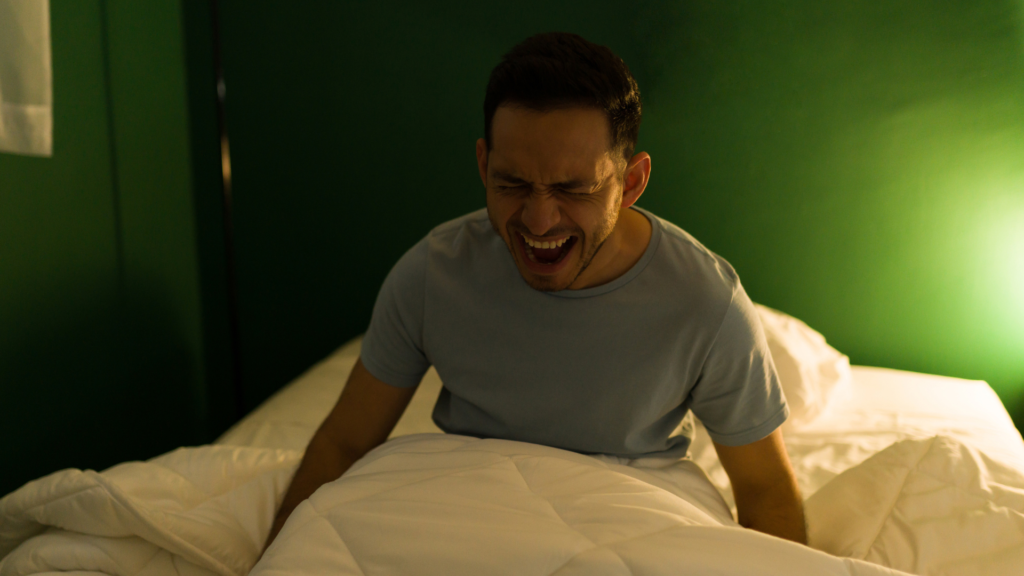
Stress and Dreaming
Stress and dreaming are closely connected because sleep does not shut off emotional processing.
The brain may use dreams to sort through pressure from work, family, school, health, or relationships. The dream may change the details, but the emotional tone often stays connected to real-life stress.
Anxiety, Trauma, and Depression
Anxiety can make the mind scan for risk, even at night. Trauma can lead to repeated dreams that replay fear, helplessness, or threat in direct or symbolic ways.
Depression may also affect sleep quality, dream recall, and the emotional weight of dreams.
Sleep Disruption
Sleep disruption can make anxiety dreams more noticeable. When a person wakes during or soon after REM sleep, they may remember the dream more clearly.
Poor sleep can also increase emotional reactivity, which may create a cycle of stress and restless nights.
Do Anxiety Dreams Mean Anything?
Anxiety dreams can mean something, but not in a fixed or universal way. The same dream image can carry different meaning for different people.
A dream about being chased may connect to avoidance for one person and pressure for another.
Common Emotional Patterns
Common patterns include fear of failure, loss of control, conflict, shame, or separation. These patterns may matter more than the literal dream plot.
A therapist may help a person notice repeated emotions rather than assign simple meanings to symbols.
Why Fixed Symbols Fall Short
Dream dictionaries can feel simple, but they often remove personal context. A lost tooth, a locked room, or a missed train does not mean the same thing to everyone.
Clinical interpretation works better when it considers the person’s history, current stress, and emotional life.
Anxiety Dreams vs Nightmares
Anxiety dreams vs nightmares is a useful comparison because both can disturb sleep.
Anxiety dreams often involve stress, pressure, or discomfort, while nightmares usually involve stronger fear, threat, or distress. A nightmare may cause a person to wake suddenly and feel unsafe or shaken.
Can Stress Cause Nightmares?
Can stress cause nightmares?
Yes, stress can contribute to nightmares, especially when it is intense, repeated, or linked to trauma. Stress may not be the only cause, but it can increase the chance of disturbing dreams.

When Stress Dreams Become Nightmares
Stress dreams may become nightmares when fear takes over, and the body reacts strongly. A person may wake with a racing heart, sweating, tension, or confusion.
If this happens often, the issue may require more attention than a general sleep routine can provide.
Anxiety Dreams Examples
Anxiety dream examples can help people name what they experience. The details vary, but the emotional pattern often involves pressure, exposure, danger, or helplessness.
These examples do not define meaning on their own, but they can point to themes worth noticing.
Being Chased or Trapped
Being chased may reflect a feeling of pressure or avoidance. Being trapped may connect to a situation that feels hard to leave or change.
The key question is what the dream emotion resembles in waking life.
Falling or Losing Control
Falling dreams often involve helplessness or sudden loss of control. The person may wake tense or startled. This type of dream may appear during periods of uncertainty or major change.
Being Late or Unprepared
Dreams about being late, missing an exam, or forgetting something often reflect performance-related stress.
They may happen when a person feels judged or behind. These dreams can be common during work, school, or family pressure.
Losing Teeth or Feeling Exposed
Dreams about losing teeth may involve embarrassment, vulnerability, or fear of being seen.
The image can feel strange, but the emotion often matters more than the scene. The dream may reflect concerns about appearance, speech, aging, or control.
Conflict With Loved Ones
Dreams about arguing, rejection, or abandonment can feel painful after waking. These dreams may connect to current tension or old relational fears.
They can also appear when a person avoids conflict during the day.
When Anxiety Dreams Keep Happening
Repeated anxiety dreams can signal ongoing stress, poor sleep, trauma reminders, or unresolved emotional strain.
Anxiety dreams every night may also reduce sleep quality and leave a person tired during the day. Tracking frequency can help show whether the pattern is occasional or persistent.
Anxiety Dreams Every Night
Anxiety dreams every night can create fear of sleep. A person may start to expect another bad dream, which can raise anxiety before bed.
This pattern may improve when the person addresses both daytime stress and nighttime habits.
Anxiety Attack in Dream
An anxiety attack in a dream may describe a dream that includes panic-like fear or waking with panic symptoms.
Some people wake with a racing heart, tight chest, sweating, or a sense of danger. These symptoms can feel frightening, so medical or clinical guidance may help if they repeat.
Anxiety Dreams and Night Sweats
Anxiety dreams and night sweats can happen together when the body reacts strongly during sleep. Stress, panic, room temperature, hormones, medication, and medical conditions can all play a role.
Night sweats that are frequent, severe, or unexplained should be discussed with a medical professional.
Anxiety Dreams on Lexapro
Anxiety dreams on Lexapro are a common search because some people notice dream changes while taking medication. Medication can affect sleep, REM sleep, and dream intensity for some people.
Any concerns about Lexapro or any other medication should be discussed with the prescribing clinician before making changes.
How Do You Stop Anxiety Dreams?
Many people search for how to stop stress dreams. The clearest answer is to reduce the conditions that make sleep more reactive.
This can include stress management, a steady bedtime routine, journaling, and relaxation techniques.
Create a Calmer Bedtime Routine
A bedtime routine helps the brain prepare for sleep. The routine can include dim lights, less screen time, quiet reading, or a brief body scan.
The goal is not to force sleep, but to reduce stimulation before bed.
Write Down Worries Earlier
Writing down worries before bed can help separate thinking time from sleep time. A person can list concerns, next steps, and unfinished tasks without extra words or long analysis.
This gives the mind a place to put worries before lying down.
Track Repeating Dream Patterns
A dream journal can help identify themes without overinterpreting every detail. The person can write the dream, the main emotion, and any recent stress that may connect.
Patterns may become clearer after several entries.
Use the 3-3-3 Rule for Anxiety
The 3-3-3 rule for anxiety is a grounding tool. A person names three things they see, three sounds they hear, and moves three body parts. It may help after waking from an anxiety dream or during daytime anxiety.
When to Seek Support
Support may help when anxiety dreams repeat, affect sleep quality, or increase daytime distress. It may also help when dreams connect to trauma, grief, panic, or relationship strain.
A person does not need to wait until symptoms feel severe to discuss them with a qualified professional.
Recurring Dreams After Trauma
Recurring dreams after trauma can feel intrusive and distressing. They may repeat parts of the event or express similar fear through different images.
Trauma-focused care can help a person approach these dreams safely and gradually.
Sleep Loss or Daytime Anxiety
Sleep loss can make anxiety worse, and anxiety can make sleep harder. This cycle can affect attention, mood, patience, and relationships. If dreams lead to fear of sleep, the pattern deserves clinical attention.
You may also want to read: Natural Anti-Anxiety: What Helps and What Does Not
Medication or Physical Symptoms
Medication changes, night sweats, panic symptoms, and physical distress should be handled carefully.
A therapist can help with emotional patterns, but medical symptoms may also need medical review. This is especially true when symptoms are new, intense, or persistent.
How Therapy Can Help
Therapy can help a person understand anxiety dreams within the larger context of stress, relationships, and emotional history.
Anat Joseph’s psychoanalytic training supports careful attention to recurring themes, conflict, and patterns that may not be obvious at first. Therapy does not need to treat a dream as a code, but it can explore what the dream brings into awareness.
Understand Emotional Themes
A therapist may help identify repeated feelings such as fear, shame, anger, loss, or helplessness.
These feelings may appear in different dream scenes but connect to similar waking experiences. Naming the pattern can make it easier to understand.
Work Through Unresolved Stress
Unresolved stress often continues when a person has no space to process it.
Therapy can create a setting where the person can speak about worries, memories, and relationships with more clarity. Over time, this may support better emotional regulation and sleep habits.
Support Children and Teens
Children and teens may describe anxiety dreams through images rather than direct explanations. They may need help naming feelings, understanding stress, and building soothing routines.
Therapy can support the child while also helping caregivers respond with calm and consistency.
You may also be interested in: Therapy Activities for Kids With Anxiety