Anat Joseph, LCSW, PsyA, is a licensed clinical social worker and psychoanalyst whose work with children and adolescents provides clinical context for understanding anxiety through behavior, relationships, and development.
These activities can support emotional growth, but ongoing anxiety may need professional care when it affects school, sleep, relationships, or daily life.
Key Takeaways
- Therapy activities for kids with anxiety help children name anxious feelings, calm their bodies, express worries, and practice coping skills in age-appropriate ways.
- Anxiety in children may appear as stomachaches, headaches, clinginess, irritability, school avoidance, sleep problems, or fear in social situations.
- Play-based activities, breathing games, worry boxes, journaling, movement, and sensory tools can support emotional expression and regulation.
- Teens may benefit from anxiety exercises, self-reflection, journaling, and group activities that help them understand triggers and manage anxiety in daily life.
- Professional support may be needed when anxiety causes ongoing distress, panic symptoms, school refusal, sleep disruption, or major changes in behavior.
Best Therapy Activities for Kids With Anxiety
Therapy activities provide children with a structured way to understand their feelings. Many children do not say, “I feel anxious,” but they may complain of stomach pain, avoid tasks, cry, or become irritable.
Activities use play, drawing, movement, and conversation to make anxiety easier to notice and discuss.
Play-Based Activities
Play helps children express worries they cannot put into words. A child may use dolls, figures, blocks, or pretend games to show fears about school, separation, friendships, or family stress.
A therapist or parent can observe themes in play and gently ask simple questions.
Breathing and Grounding Games
Breathing games help children slow the body when they feel anxious. A child can pretend to smell a flower and blow out a candle, or trace a finger while breathing in and out.
Grounding games also help by asking the child to name five things they see, four things they feel, and three sounds they hear.
Worry Box and Feelings Journal
A worry box gives children a place to put fears outside their mind. The child writes or draws a worry, places it in the box, and talks about it later with an adult.
A feelings journal works well for older children because it helps them notice patterns in thoughts, triggers, and reactions.
Creative and Sensory Activities
Drawing, clay, music, and sensory objects can help children express feelings without pressure.
Some children calm down by squeezing putty, holding a soft object, or drawing what their worry looks like. These activities help children connect body sensations with emotions.
How Anxiety Manifests in Kids
Anxiety in children can look different from anxiety in adults. Some children talk about fear, but others show anxiety through behavior, body complaints, or avoidance.
Understanding these signs helps parents respond with patience instead of assuming the child is being difficult.
Physical Symptoms
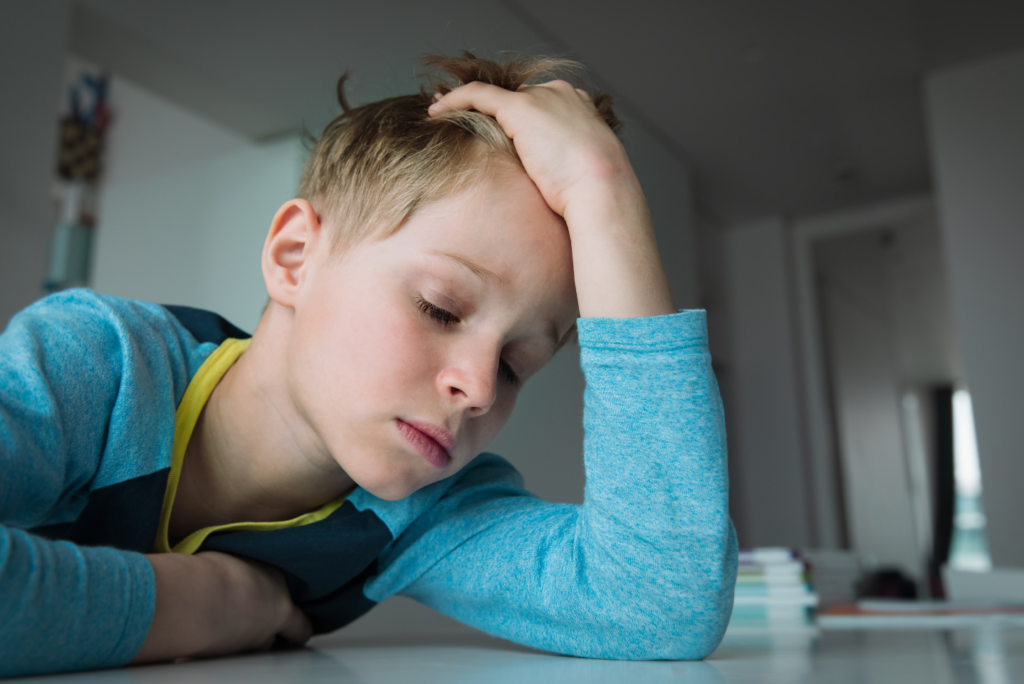
Children may report headaches, stomachaches, nausea, shaking, sweating, or a tight chest.
These symptoms can appear before school, at bedtime, during tests, or in social situations. Medical causes should be considered when symptoms are frequent, severe, or new.
You may also want to read: Bedtime Anxiety in 10 Year Olds | Causes & Solutions
Emotional Signs
An anxious child may seem fearful, tearful, angry, clingy, or overwhelmed. The child may ask repeated questions, need constant reassurance, or expect something bad to happen.
These signs often increase during transitions, separation, uncertainty, or pressure.
Behavioral Changes
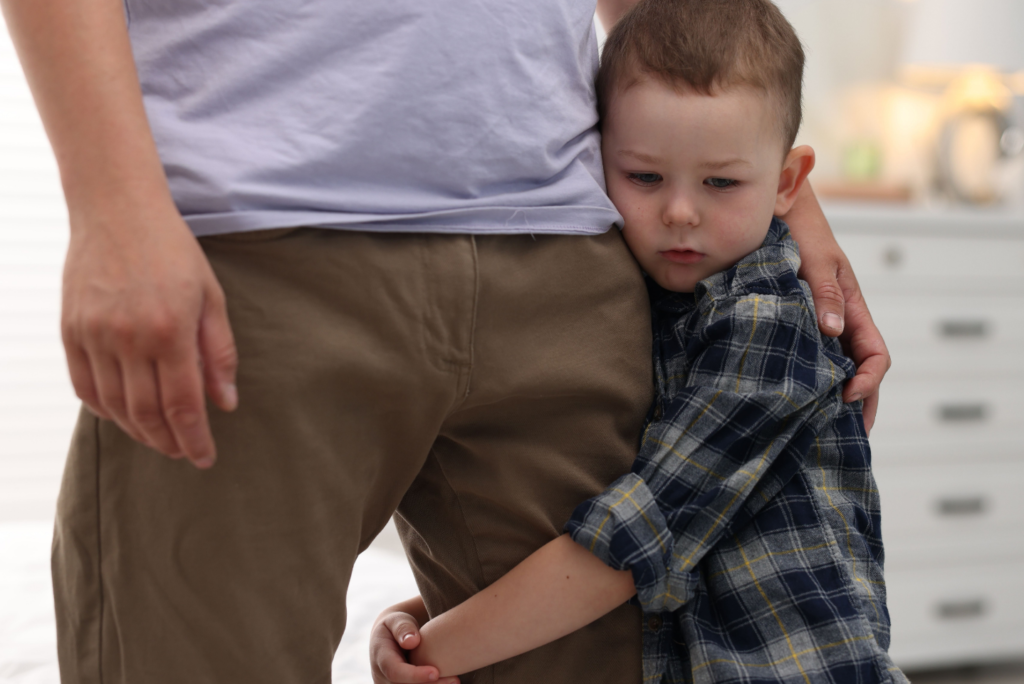
Behavioral signs may include school refusal, avoiding friends, trouble sleeping, tantrums, or difficulty separating from a caregiver.
Some children become quiet and withdrawn, while others become restless or oppositional. The behavior often reflects distress that the child cannot yet explain.
Therapy Techniques and Interventions
Therapy techniques for kids with anxiety help children understand thoughts, feelings, body signals, and coping choices.
Therapy interventions for kids with anxiety may include play, parent guidance, school support, and age-appropriate coping practice. The goal is to help the child build emotional awareness and safer ways to manage their anxiety.
You may also want to read: Signs of OCD in Children: Key Symptoms to Watch For
Cognitive Coping Techniques
Cognitive coping helps children notice anxious thoughts and gently test them. A child might learn to ask, “Is this worry true?” or “What else could happen?”
This can help reduce anxiety by making fears less automatic and more open to discussion.
Parent-Led Strategies
Parent support matters because children often borrow calm from adults. Parents can encourage your child to name the feeling, take a slow breath, and try one small step instead of avoiding the fear completely.
This is part of helping children with anxiety in daily life.
School-Based Support
Some children need support at school when anxiety affects learning, attendance, or friendships.
Teachers can help with predictable routines, quiet spaces, check-ins, and gradual participation. School support works best when adults use consistent language and avoid shaming the child.
Helping Children With Anxiety at Home
Parents often search for how to help their child with anxiety because they see distress at home first. Home support can help children practice calm skills in familiar settings.
These strategies do not replace therapy, but they can strengthen emotional safety and coping.
Daily Coping Skills
Daily coping skills work best when children practice them before anxiety becomes intense. A child can use breathing, drawing, movement, or a short feelings check-in each day.
Practice helps the child use the same skill later when stress increases.
Predictable Routines
Predictable routines help children feel safer by reducing uncertainty. Regular sleep, meals, homework time, and bedtime rituals can support emotional regulation.
Parents can prepare children for changes by explaining what will happen next in simple words.
You may also want to read: Why Does My Toddler Wake Up Crying at Night
Natural Anxiety Relief for Kids
Natural anxiety relief for kids usually means healthy habits that support the nervous system. Sleep, physical activity, outdoor play, limited screen time before bed, and calm routines may help some children feel more settled.
These habits should be seen as support, not a cure for anxiety disorders.
Therapy Activities for Teens With Anxiety
Teens may need more privacy, choice, and direct explanation than younger children. Therapy activities for teens with anxiety often focus on self-awareness, stress patterns, peer pressure, identity, and social situations.
Teens may benefit when adults respect their need for independence while still offering support.
Anxiety Exercises for Teens
Anxiety exercises for teens can include paced breathing, grounding, thought tracking, and planned exposure to avoided situations.
A teen might rate anxiety from 1 to 10 before and after an activity. This helps the teen see that anxiety can rise, peak, and decrease.
Journaling and Self-Reflection
Journaling can help teens organize thoughts that feel confusing or intense. A teen can write about triggers, body sensations, feared outcomes, and what helped.
This process supports emotional insight without forcing immediate conversation.
Fun Group Activities for Teenagers
Fun group activities for teenagers can support connection when anxiety affects peer relationships.
Cooperative games, art projects, role-play, or group problem-solving can help teens practice communication in a low-pressure setting. These activities may be useful when a teen struggles with confidence in social situations.
How to Help Your Child With Anxiety
Parents can help by responding calmly, listening closely, and avoiding criticism. It is usually more helpful to say, “Your body feels scared right now,” than to say, “There is nothing to worry about.”
This approach validates the feeling while helping the child return to the present.
When Home Strategies Are Enough
Home strategies may be enough when anxiety is mild, short-term, and does not block daily life.
A child may feel nervous before a test, new activity, or social event but still participate with support. Parents can encourage their child to practice coping skills and take small steps.
Signs Your Child Needs Professional Help
Professional help may be needed when anxiety causes persistent avoidance, panic symptoms, sleep problems, school refusal, or major distress.
Therapy may also help when a child’s fears affect family routines, friendships, or development. If symptoms feel intense or ongoing, a clinical evaluation can clarify the next step.
How Therapy Can Help
Therapy gives children and families a place to understand anxiety with support. A therapist may use play, talk, parent guidance, coping practice, and school coordination when appropriate.
Therapy can also help identify deeper emotional patterns linked to fear, separation, trauma, or relationships.
Working With a Child Therapist
A child therapist looks at anxiety in the context of development, family life, school, and relationships. The process may include meetings with the child, parent sessions, and careful attention to behavior changes.
The therapist works to understand what the anxiety means for this specific child.
What to Expect During Therapy
Early sessions often focus on history, symptoms, routines, and the child’s emotional world. Younger children may use play or drawing, while older children and teens may use conversation and reflection. The pace should fit the child’s age and readiness.
How Parents Support Progress
Parents support progress by staying consistent and curious. They can notice patterns, reduce pressure when needed, and help the child practice coping skills outside sessions.
Parent involvement also helps therapy connect with real situations at home and school.
Choosing the Right Therapist
The right therapist should have experience with children, anxiety, and family communication. Parents can ask about training, approach, parent involvement, and how progress will be discussed.
A good fit helps the child feel understood and gives parents a clearer way to respond.
Frequently Asked Questions
What Are the Best Activities for Child Anxiety?
The best activities are simple, repeatable, and age-appropriate. Breathing games, play-based expression, worry boxes, drawing, grounding, and movement can help children recognize and manage anxious feelings.
What Calms Anxiety in Children Naturally?
Calm routines, sleep, outdoor play, physical activity, breathing, and sensory tools may support regulation.
These strategies can help a child feel steadier, but ongoing anxiety may still need professional care.
When Should a Child See a Therapist?
A child should see a therapist when anxiety disrupts school, sleep, friendships, family life, or daily activities.
Therapy is also important when fear, avoidance, panic, or distress continues despite support at home. Consider scheduling an appointment with Anat Joseph, a licensed clinical social worker and psychoanalyst who works with children and adolescents, who may be a perfect fit as a therapist for these cases.