
Psychotherapy helps people understand their thoughts, emotions, and behavior in a structured and supportive way. The goals of psychotherapy guide the work and give clients a clear sense of what change may look like over time. At My Psychotherapy, Anat Joseph, a licensed social worker and psychoanalyst, offers a thoughtful and evidence-based approach that helps clients explore their patterns and build healthier ways of living.
What Is Psychotherapy?
Psychotherapy is a form of mental health therapy that helps people understand how their experiences shape their emotional and behavioral responses. Clients use talk therapy to reflect on patterns that contribute to distress and develop new ways of coping.
This process supports individuals with mental health issues ranging from mild stress to complex conditions that affect daily life. When clients ask what psychotherapy is, they want clear guidance on how treatment helps them understand and manage inner conflict.
How Psychotherapy Works
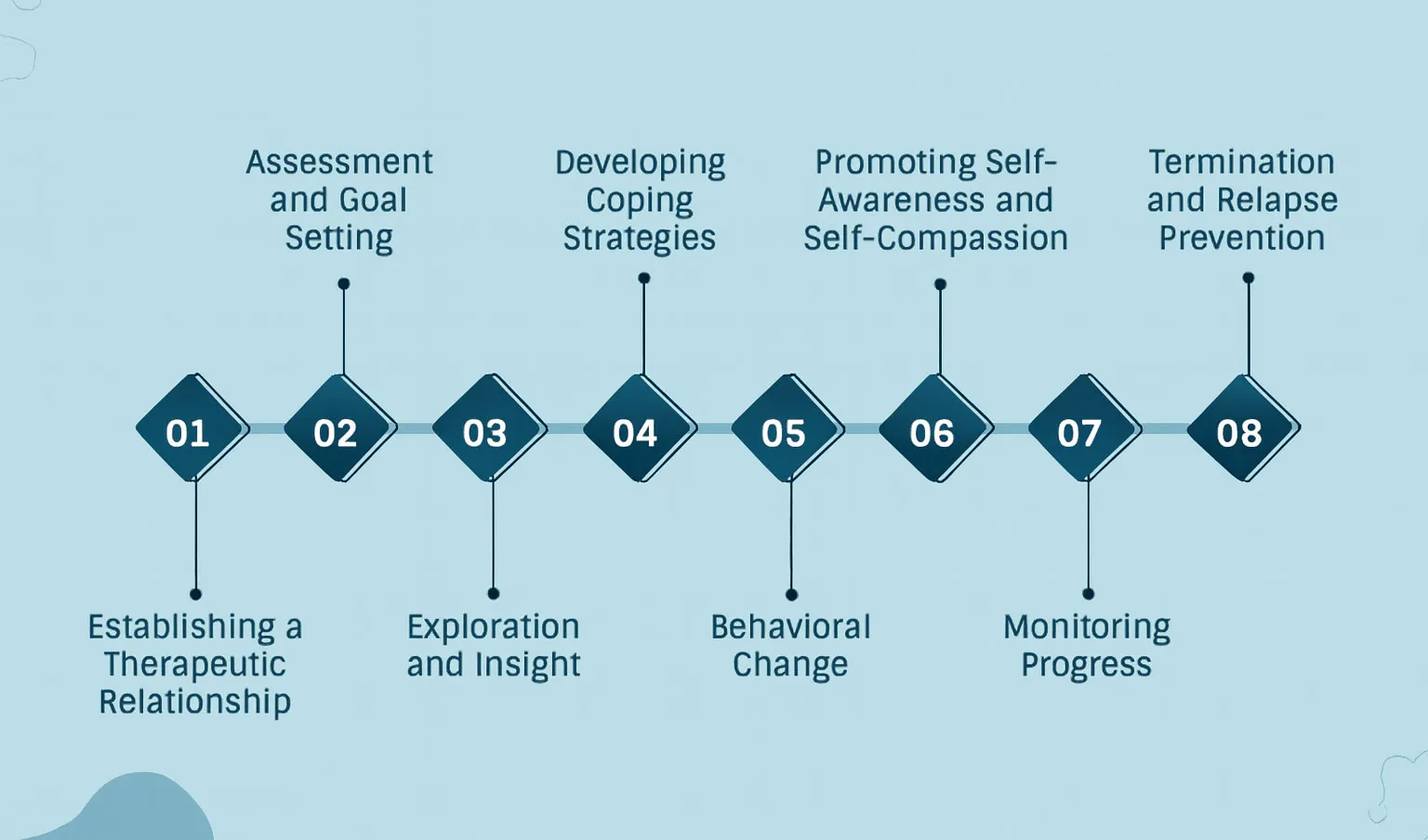
Psychotherapy works through a consistent and confidential relationship where clients explore thoughts and emotions with a trained therapist. The therapist listens carefully, offers feedback, and helps clients notice patterns that affect their well-being. This therapeutic help is grounded in research and adapts to each person’s needs. A clear treatment plan helps guide the work and offers structure.
Clients sometimes ask about privacy and how their information is handled. Our article on can psychotherapy notes be subpoenaed explains what protections exist and how confidentiality works in different situations.
Types of Psychotherapy
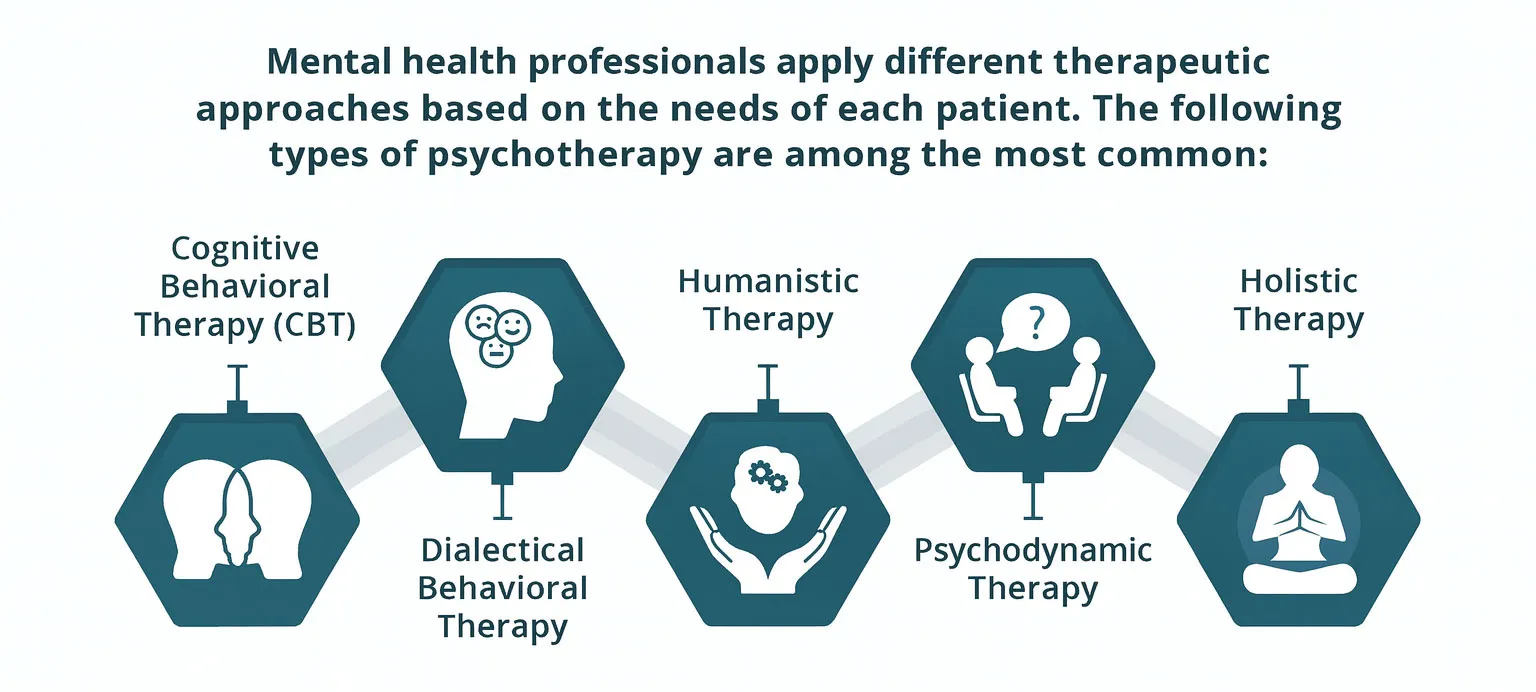
Different types of psychotherapy support different needs and personalities. Cognitive approaches focus on the link between thoughts and actions, while psychodynamic therapy explores deeper emotional history. Humanistic therapy centers on personal growth and self-understanding. Individual psychotherapy is selected when one-to-one support is the best fit.
Psychotherapy Techniques
Therapists use techniques such as identifying thought patterns, exploring emotional triggers, and practicing coping strategies. These tools help clients work through anxiety disorders, eating disorders, personality disorders, and other health issue concerns. Simple grounding or breathing strategies may help with immediate stress, while deeper exploration supports long term change. Every technique is selected based on the client’s goals and comfort level.
The 5 P’s in Psychotherapy
Some clinicians use the 5 P’s to understand a client’s symptoms, which include presenting issues, predisposing factors, precipitating factors, perpetuating factors, and protective factors. This structure helps create an organized and evidence-based view of the person’s mental health issues. It guides the treatment plan and supports careful decision-making. Clients benefit from a clear understanding of what contributes to their struggles.
Core Goals of Psychotherapy
The goals of psychotherapy vary, but they always aim to help clients understand themselves more clearly. These goals support symptom relief, emotional growth, and improved daily functioning. When clients know what to expect, they feel comfortable committing to the process.
The Basic Goal of Psychotherapy
The most basic goal is to reduce emotional distress and improve functioning. This includes learning healthy ways to manage thoughts, feelings, and behaviors. It also supports handling stress without becoming overwhelmed. Many clients seek therapy for mental health problems when they notice patterns that limit their well-being.
Four Common Goals Explained
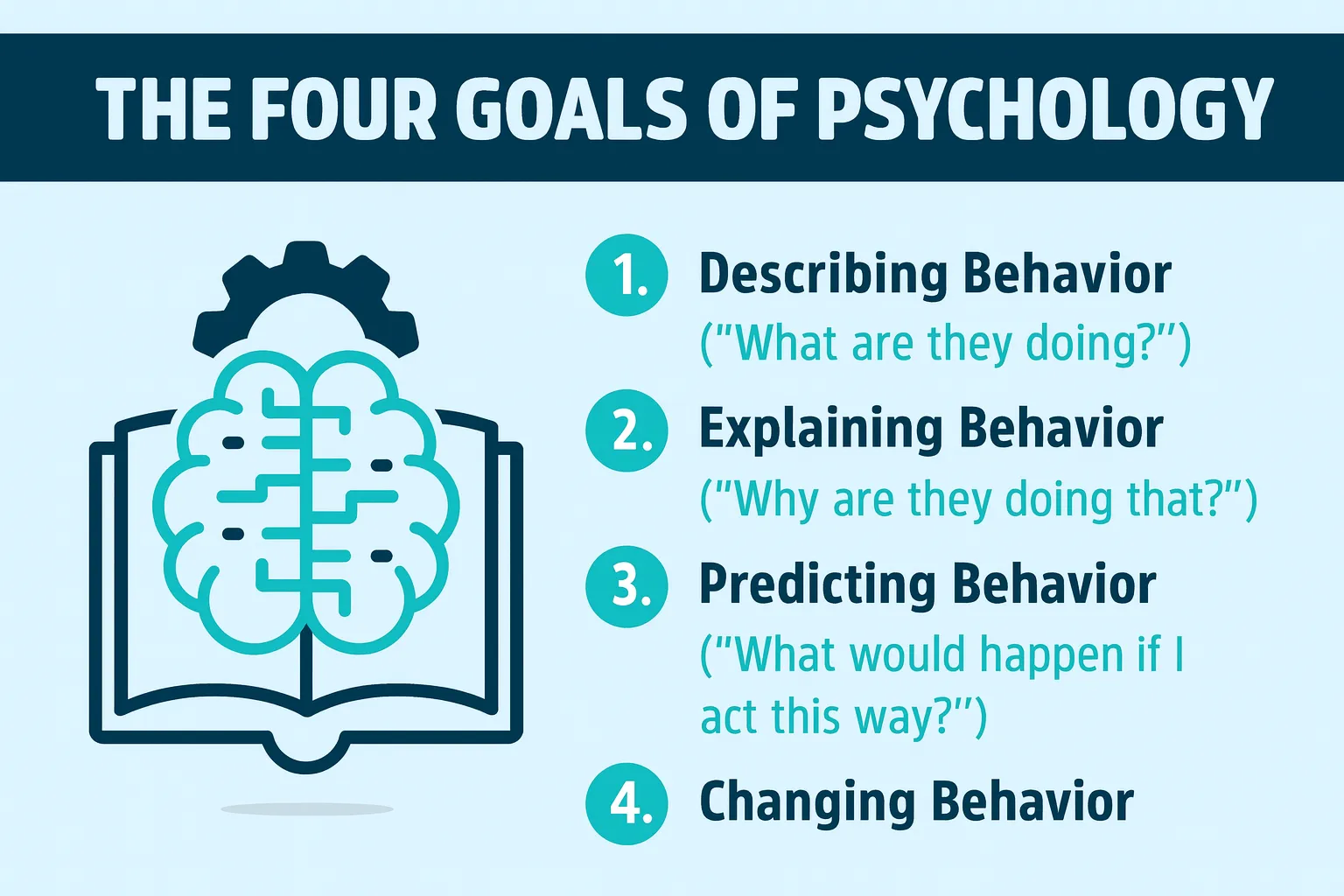
Four goals appear across most approaches.
These include:
- Understanding emotional and behavioral patterns
- Reducing symptoms that affect life and work
- Improving relationships with family members and others
- Building coping strategies that support long term stability
These goals help answer what are the goals of psychotherapy and how they support meaningful change.
Primary Goal in DID Treatment
For clients with dissociative identity disorder, the primary goal is to increase safety and internal cooperation. Treatment also aims to help the person develop a more stable sense of identity. The therapist works carefully to reduce episodes that create confusion or distress. Progress requires a structured and gentle pace.
Long-Term Recovery and Resilience
Many clients seek long term improvement, not only short term relief. Recovery includes building resilience, developing insight, and strengthening the ability to manage stressors. This process can involve deep work that requires patience. Clients often find that long term therapy leads to steady and reliable growth.
Some clients want to understand how the length of treatment varies across approaches. Our article on how long psychoanalysis typically takes offers a clear explanation of duration and what shapes the pace of long term therapeutic work.
Psychotherapy vs Counselling
Psychotherapy and counselling share similar tools, but they differ in depth and focus. Counselling often addresses specific stressors, while psychotherapy explores patterns that shape a person’s inner world. Both forms of support are valid choices depending on the person’s goals.
Goals of Counselling
Counselling often helps clients deal with life transitions, stress, and practical concerns. The goal is to improve daily functioning and offer emotional support. Clients may use counselling during short term challenges. It can be a good fit when someone needs immediate guidance.
Shared and Distinct Benefits
Both psychotherapy and counselling offer emotional support, improved communication, and healthy problem solving. Psychotherapy looks more deeply at long standing patterns, while counselling may take a more focused approach. Clients may move between both depending on their needs. A social worker or therapist can help determine the most appropriate type of therapy.
Benefits for Daily Life
Psychotherapy helps people understand themselves and function more effectively. Clients learn new skills and gain insight into long standing patterns. This improves mood, relationships, and the ability to manage stress.
Support for Mental Health Needs
Clients often seek therapy for mental health problems such as anxiety disorders, depression, or relationship stress. Therapy offers tools for managing symptoms and understanding their causes. This support helps reduce emotional strain. It also creates space for meaningful change.
Improved Relationships
Therapy encourages clearer communication and emotional awareness. Clients learn how their experiences influence how they relate to others. This builds healthier interactions and reduces conflict. It also strengthens connections with family members and friends.
Coping Skills
Effective coping strategies help people respond to challenges without feeling overwhelmed. Clients learn practical skills for managing stress, uncertainty, and emotional triggers. These skills support functioning at work, school, and home. They also build confidence in dealing with future health issue concerns.
When Therapy Helps Most
Therapy helps when someone feels stuck, uncertain, or unable to manage emotions alone. It also helps during major life changes or when symptoms disrupt work or relationships. People often seek help when self-reflection no longer feels enough. Early support often leads to better outcomes.
How to Begin and Find Therapeutic Help
Some clients also explore remote options, and this can be helpful when schedules are tight or travel is difficult. You can read more in our guide to best online therapy in New York City, which explains how to choose online support that fits your needs.