
Trauma Therapy Tribeca, NY: Local Support for Healing
Trauma therapy in Tribeca helps people and families heal from the effects of upsetting events. Anat Joseph, LCSW, PsyA, has decades of clinical experience.
She helps clients work through difficult experiences and create their lives with more stability and purpose. From her Manhattan office, she offers evidence-based support for individuals, couples, and families in New York City.
Understanding Trauma Therapy in Tribeca, NYC
Trauma therapy helps people recover from the emotional and physical effects of trauma. It offers a safe space to talk, learn coping skills, and ease symptoms like anxiety or depression. In a busy place like York City, daily life can make stress worse, so support is important.

How Trauma Affects Daily Life
Trauma can impact more than just emotions – it can change how you go through each day. Many people struggle to focus at work, enjoy hobbies, or connect with friends.
Physical symptoms like fatigue, headaches, or muscle tension are also common. Always consult your physician if you experience physical symptoms to rule out medical conditions.
Over time, these challenges can affect relationships and self-confidence. Understanding how trauma influences daily life is often the first step in deciding to seek professional help. A clear plan for recovery can restore balance and make everyday tasks feel easier.

Benefits of Trauma Therapy
Effective trauma therapy can:
Improve emotional balance
Help clients work through difficult experiences and create healthier habits
Strengthen relationships with others
Improve focus and daily life function

Signs You May Need Care
You may need trauma therapy if you:
Feel sad, scared, or angry often
Avoid certain people, places, or activities
Have trouble sleeping or focusing
Feel distant from others
Therapy Options in Tribeca, New York
People in Tribeca can choose from many types of therapy based on their needs.
Trauma, Depression, and Anxiety Therapy in Tribeca
Depression therapy and anxiety therapy in Tribeca often overlap with trauma care. Anat Joseph uses talk therapy, cognitive behavioral therapy (CBT), psychoanalysis, and the psychodynamic approach to address more than one problem at a time. This supports mental health in a complete way, helping people manage symptoms that affect work, relationships, and self-esteem.
Evidence-based methods like CBT help people see and change thoughts that keep them feeling bad. Psychoanalytic therapy can find and address old issues that still cause pain. Using both along with the psychodynamic approach can help clients handle current problems and work toward long-term healing.
Therapy for Teens in NYC
Teens may have trouble sharing feelings after trauma. Teen therapy provides a safe space for teens to learn coping skills and express themselves more openly. Parents are often included so families can get help to work together toward recovery.
Best Therapy Practices in NYC for Trauma
Effective trauma care in York City utilizes proven methods, clear goals, and a caring environment. Best practices include custom treatment plans, regular progress checks, and respect for different cultures. Anat Joseph’s decades of clinical experience help her provide this level of care.
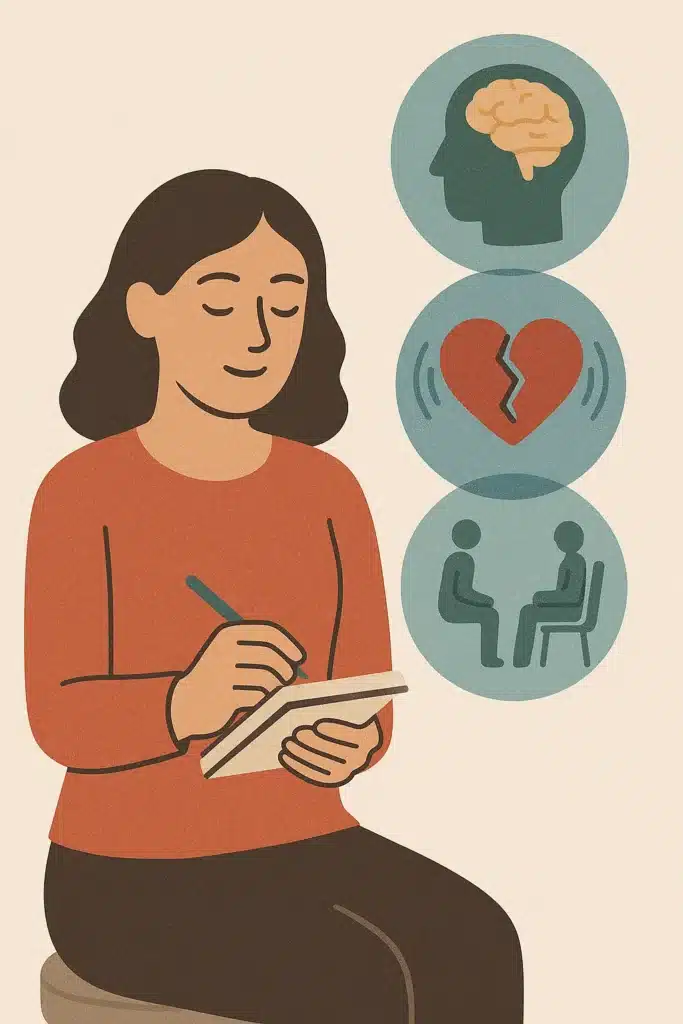
Evidence-Based Trauma Therapy Approaches
Many trauma therapy methods are supported by strong research. These evidence-based options include:
- Cognitive Behavioral Therapy (CBT): Helps change unhelpful thoughts and behaviors.
- Psychoanalytic Therapy: Explores past experiences to understand current struggles.
- Psychodynamic Approach: Examines underlying emotional patterns to promote lasting change.
- Somatic Therapy: Focuses on the body’s role in processing trauma.
- Creative Arts Therapy: Uses art, music, or movement to express and heal.
Choosing an evidence-based approach increases the chance of lasting results. A skilled therapist can help match the method to your needs and comfort level.

What Type of Therapist Should You See for Trauma?
Look for licensed therapists with training in trauma care. Those skilled in CBT, psychoanalysis, or somatic therapy can help in different ways. A therapist should adapt to your needs and style.
Qualifications and Cultural Considerations
Experience matters – clinical experience I’ve built over decades helps me understand different needs. Choose someone who respects your background and speaks your language if needed. Anat Joseph speaks several languages, making it easier to connect with more people.
The Value of In-Person Trauma Therapy
In-person therapy can make it easier to feel safe and trust your therapist. You can notice body language, breathing, and tone more clearly, which helps the therapist respond right away.
Being in the same space can ease tension, restlessness, or overwhelm. Always consult your physician if you experience physical symptoms to rule out medical conditions.
The therapy space itself can help with healing. Meeting in a familiar, comfortable place helps clients settle in and focus. This steady setting can lead to deeper work and faster progress.
In-Person vs Online Trauma Therapy in Tribeca, NYC
In-person therapy offers non-verbal feedback and a shared space that builds trust. A Manhattan office can make sessions feel more grounded.
Online therapy offers flexibility for people with time or travel limits, giving them access to evidence-based care at home.
When choosing between in-person and online therapy, think about:
- In-person: if you need a set space, benefit from being with the therapist, or have symptoms helped by grounding techniques.
- Online: if you need flexibility, can’t travel, or prefer your own space.
Hybrid: if you want the structure of in-person care and the ease of online follow-up.


Cost and Insurance for Trauma Therapy, Tribeca, NY
Costs vary by therapist, session length, and insurance use. Most sessions start at a minimum of 200 USD per session.
Some offer sliding scale rates to make care easier to afford. Before starting, ask about fees, accepted insurance, and payment plans so you can plan for regular sessions.
Questions to Ask Before Starting Therapy
Before beginning trauma therapy, it helps to ask your therapist:
- What is your experience with trauma cases like mine?
- Which therapy approaches do you use, and why?
- How do you measure progress over time?
- What is the expected length of treatment?
- Do you offer in-person, online, or hybrid sessions?
These questions give you a clearer picture of what to expect and help ensure you feel confident in your choice. They also make it easier to compare providers.
What to Expect in Your First Session
Your first session is for sharing your story and setting goals. The therapist will ask about your history, symptoms, and what you want from therapy. This first talk outlines a plan to help you create a healthier life.
Continuing Support Beyond the Initial Treatment
Healing often continues after regular therapy ends. Many clients schedule check-ins to maintain progress and address new issues. Support can also include groups, local resources, or skill-based follow-up sessions.
This ongoing care helps you keep the changes you’ve made. It also gives you a place to turn if new stress comes up. Staying connected to support is a key part of lasting mental health.
Because Your Happiness Matters