Anat Joseph, LCSW, PsyA, works with anxiety through a clinical lens that considers both emotional patterns and body-based stress responses.
Vagus nerve exercises may support calming, but they do not replace therapy or medical care when anxiety is persistent, severe, or disruptive. This article explains what the vagus nerve affects, which exercises may help, and when anxiety needs deeper support.
Key Takeaways
- The vagus nerve may affect anxiety by helping the body shift from fight-or-flight toward a calmer state.
- Vagus nerve exercises, such as slow breathing, humming, gentle movement, and cold water, may help some people manage physical anxiety symptoms.
- A “vagus nerve reset” is not instant. It usually refers to repeated calming practices that support nervous system regulation.
- Vagus nerve stimulators may have clinical uses, but anxiety treatment should depend on proper evaluation and evidence-based care.
- Therapy may help when anxiety is frequent, intense, or connected to deeper emotional patterns.
Can the Vagus Nerve Affect Anxiety
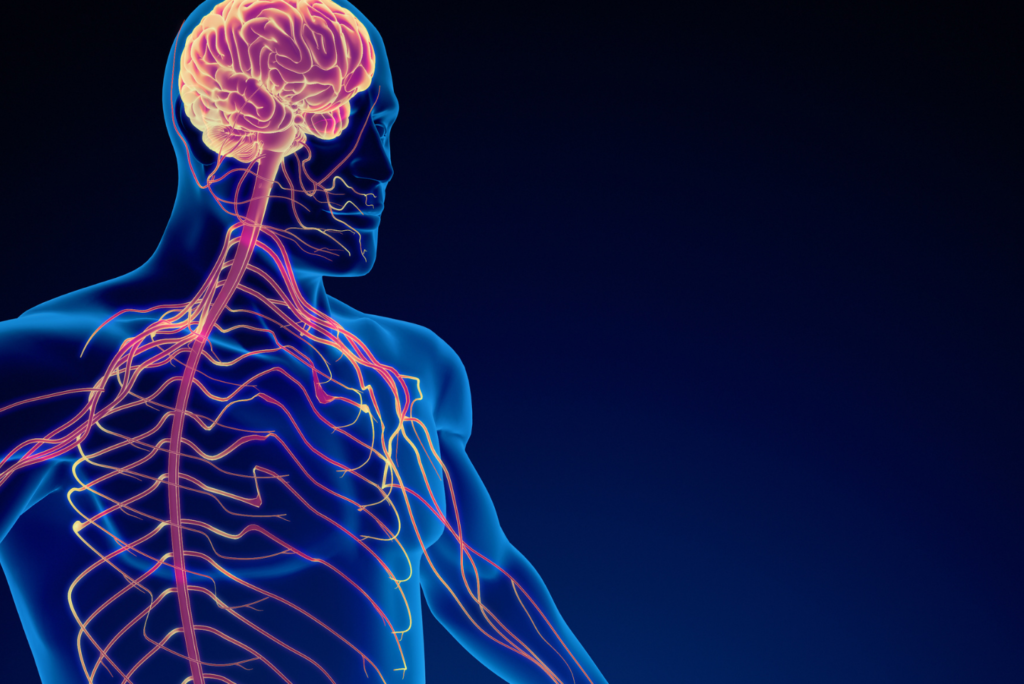
The vagus nerve is a major part of the parasympathetic nervous system. This system helps the body return to a calmer state after stress. When the sympathetic nervous system activates the fight-or-flight response, the vagus nerve can help slow your heart rate, steady your breathing, and support recovery.
Anxiety can feel mental, physical, or both. Some people notice racing thoughts first, while others notice chest tightness, nausea, trembling, or a fast pulse. Vagal tone describes how well the body shifts between stress and calm, which may relate to how intense anxiety symptoms feel.
Vagus Nerve and Anxiety Symptoms
Anxiety symptoms often appear when the body senses danger, even when no clear danger is present. The brain may send signals that increase heart rate, breathing speed, muscle tension, and alertness. These changes can feel confusing when they occur in everyday situations.
The vagus nerve does not cause all anxiety symptoms. It is one part of a wider system that includes the brain, hormones, memories, relationships, and stress patterns. A careful view helps avoid reducing anxiety to a single nerve or body process.
What Anxiety May Feel Like
Anxiety may feel like a tight chest, shallow breathing, stomach tension, dizziness, sweating, or restlessness. Some people also feel detached, overwhelmed, or unable to think clearly. These symptoms can feel alarming because the body may seem to need protection.
Physical symptoms can increase fear when a person does not understand them. For example, a fast heartbeat may lead someone to worry that something is wrong with the body. That worry can increase anxiety and keep the stress cycle active.
Vagus Nerve Anxiety Attacks
Vagus nerve anxiety attacks is a common search phrase, but anxiety attacks involve more than the vagus nerve. A sudden anxiety surge usually reflects a strong fight-or-flight response. The body may prepare to escape, defend, or freeze.
During an anxiety attack, breathing may become fast and shallow. The heart may beat harder, and the stomach may tighten. Calming techniques can sometimes help the body shift out of a high-alert state.
Fight-or-Flight Response
The fight-or-flight response is the body’s survival system. It raises alertness, increases energy, and prepares muscles for action. This response can help in dangerous situations, but it can feel distressing when it appears in daily life.
The vagus nerve helps counterbalance this system. When parasympathetic activity increases, the body may move toward steadier breathing and lower tension. This is one reason vagal nerve exercises for anxiety often focus on breath, rhythm, sound, and gentle movement.
How to Stimulate Vagus Nerve for Anxiety
People often ask how to stimulate the vagus nerve for anxiety because they want practical ways to calm the body. Simple exercises may help some people feel more grounded during stress. These methods work best when practiced regularly, not only during a crisis.
The goal is not to force the body into instant calm. The goal is to give the nervous system steady signals of safety. These signals may support reducing anxiety over time, especially when combined with therapy, sleep, movement, and emotional support.
You may also want to read: What Is the 333 Rule for Anxiety and How It Helps
Slow Breathing
Slow breathing is one of the simplest ways to engage the calming system. A person may inhale gently, pause briefly, and exhale longer than they inhale. Longer exhales can signal the body to reduce urgency.
This practice should feel comfortable, not strained. If breathwork causes dizziness or distress, the person can stop and return to normal breathing. Gentle breathing works best when it feels steady and safe.
Humming or Singing
Humming and singing use the throat, breath, and vibration. The vagus nerve has connections near areas involved in voice and swallowing. This may explain why rhythmic sound can feel calming for some people.
A simple practice may involve humming for one or two minutes. The sound does not need to be loud or musical. The value comes from rhythm, breath, and body awareness.
Cold Water
Cold water can create a brief body signal that shifts attention and alertness. Some people try splashing cold water on their face during a moment of rising anxiety. This may help interrupt spiraling thoughts and bring attention back to the body.
Cold exposure should stay gentle and brief. It should not be used in an extreme or unsafe way. People with medical concerns should exercise caution and consult a healthcare professional before attempting more intense cold exposure.
Gentle Movement
Gentle movement can help the body release tension. Walking, stretching, yoga, or slow movement may support breathing rhythm and reduce muscle tightness. Movement also gives anxious energy a safe place to go.
The goal is not to engage in intense exercise during panic. The goal is steady movement that helps the body feel oriented and present. Even a short walk can help some people reconnect with the environment.
You may also be interested in: Anxiety Grounding Techniques That Help You Refocus
Safe Social Connection
Safe connection can help regulate the nervous system. A calm voice, eye contact with a trusted person, or a supportive conversation may reduce feelings of threat. The body often calms more easily when it does not feel alone.
This does not mean a person must talk about everything immediately. Sometimes sitting near someone safe is enough. For some people, therapy provides a steady relational space to understand anxiety over time.
What Results to Expect
Vagus nerve exercises may help some people feel calmer in the moment. They may also help build awareness of early anxiety signals. Results vary based on the person, the situation, and the severity of symptoms.
These exercises are tools, not cures. They may reduce intensity, but they may not address deeper fears, trauma, conflict, or long-standing patterns. Anxiety often needs both body-based regulation and emotional understanding.
Vagus Nerve and Anxiety Reset
Vagus nerve and anxiety reset is a popular phrase, but it can be misleading. The nervous system does not reset like a device. It responds to repeated signals, habits, relationships, and stress patterns.
A vagus nerve reset for anxiety usually means using calming practices to help the body settle. These may include slow breathing, humming, movement, or grounding. The phrase can be useful if it means regulation, not instant repair.
What Reset Really Means
A reset means helping the body move from high alert toward steadiness. It may involve slowing the breath, relaxing muscles, and noticing the present moment. This process can help the brain receive signals that the body is safer.
A reset does not erase anxiety. It may create enough calm to think more clearly. That small shift can help a person respond instead of react.
Why Reset Is Not Instant
Anxiety often builds from repeated stress, learned fear, or unresolved emotional strain. Because of this, a single exercise may not change the entire pattern. A nervous system usually learns safety through repetition.
This is why daily practice matters more than a single technique. The body may need time to trust calm signals. Therapy can also help a person understand why the body stays on alert.
Do Vagus Nerve Stimulators Work for Anxiety?
People often ask, do vagus nerve stimulators work for anxiety? The answer depends on the type of device, the person’s condition, and the clinical context. Research on vagus nerve stimulation for anxiety is still developing.
Some forms of vagus nerve stimulation involve medical devices. Other options are marketed as at-home devices. These approaches should not be treated as equal, because the evidence, regulation, and clinical use can differ.
Clinical Stimulation
Clinical vagus nerve stimulation usually involves a medical device and professional oversight. It has been studied for several neurological and psychiatric conditions. Its role in anxiety care is still more specific and limited than general online claims suggest.
A clinician may consider many factors before discussing device-based treatment. These include diagnosis, medical history, symptom severity, and other care options. For most people, anxiety treatment starts with therapy, evaluation, and practical coping skills.
At-Home Devices
At-home devices may claim to stimulate the vagus nerve. Some people find them interesting, but claims should be viewed carefully. A device should not replace assessment from a qualified medical or mental health professional.
Consumers should ask what evidence supports the device. They should also ask whether the device has proper safety guidance. Clear information matters because anxiety can make people more vulnerable to quick-fix claims.
What Research Suggests
Research suggests the vagus nerve may play a role in fear, stress recovery, and emotional regulation. Studies also explore how stimulation may affect anxiety-related pathways. This does not mean every method works for every person.
The most responsible view is balanced. The vagus nerve is relevant to anxiety, but it is not the whole explanation. Good care considers the body, mind, history, relationships, and current stress.
What the Vagus Nerve Cannot Explain
The vagus nerve cannot explain every anxiety symptom. Anxiety may also relate to trauma, loss, family patterns, school stress, work pressure, medical conditions, or relationship conflict. A narrow explanation can miss the emotional meaning of symptoms.
Some symptoms need medical evaluation. Chest pain, fainting, severe dizziness, sudden weakness, or major changes in blood pressure should not be treated as simple anxiety without proper care. Physical symptoms deserve attention when they are new, severe, or unclear.
When Symptoms Need Evaluation
A primary care doctor can help check whether symptoms may have a medical cause. This may include reviewing heart rate, blood pressure, medications, sleep, hormones, and other health factors. A medical check can reduce uncertainty and guide safer next steps.
Anxiety and medical symptoms can also occur together. One does not always rule out the other. Careful evaluation helps avoid assumptions.
Which Doctor Looks at the Vagus Nerve?
A primary care doctor is often the first point of contact for unclear physical symptoms. A neurologist may evaluate nerve-related concerns when symptoms suggest a neurological issue. Other specialists may become involved depending on the symptoms.
A therapist or psychoanalyst does not diagnose vagus nerve disorders. A mental health professional can help when anxiety, panic, fear, or emotional distress affects daily life. This distinction keeps care accurate and safe.
When Anxiety Needs Therapy
Anxiety may need therapy when it becomes frequent, intense, confusing, or hard to manage alone. Therapy may also help when anxiety affects sleep, school, work, relationships, or self-confidence. Self-regulation tools can help the body, but therapy can help a person understand the meaning behind anxiety.
Therapy gives space to explore recurring patterns. These may include fear of separation, pressure to perform, difficulty trusting others, or past experiences that still affect the present. Understanding these patterns can support more lasting change.
You may also want to read: An Anxiety Disorder Can Be Caused by Stress Over Time
How Therapy Supports Lasting Change
Therapy can help a person notice anxiety before it becomes overwhelming. It can also help connect body symptoms with thoughts, emotions, memories, and relationships. This process may make anxiety feel less mysterious and easier to work with.
Body-based tools and therapy can support each other. Vagus nerve exercises may help calm the body enough to reflect, while therapy may help explain why the body feels unsafe. For many people, both regulation and understanding matter.