It may help some people notice anxious thoughts, calm physical tension, and create a pause during emotional stress. In a clinical context, Anat Joseph, LCSW, PsyA, works with anxiety through careful exploration of symptoms, patterns, and emotional meaning.
Tapping for anxiety can be understood as a supportive tool, not a substitute for psychotherapy, medical care, or crisis support when anxiety is persistent, severe, or disruptive.
This article explains how EFT may help, its limits, and when professional care may be needed.
Key Takeaways
- EFT tapping may help some people reduce anxiety, but the evidence is still debated.
- Tapping involves applying gentle pressure to specific body points while focusing on an anxious thought or feeling.
- The method may support stress relief, grounding, and emotional awareness during manageable anxiety.
- Tapping should not replace therapy, medical care, or crisis support when anxiety is severe or persistent.
- Professional help may be needed when anxiety affects sleep, work, school, relationships, or daily life.
Does Tapping Really Work for Anxiety
Many people ask, ” Does tapping really work? The careful answer is that EFT may help some people reduce anxiety, but results vary.
Some studies showed lower anxiety scores after EFT, including reviews of clinical trials, but researchers still debate the strength, quality, and explanation of these findings.
EFT claims should be treated with caution because the evidence is promising in some areas but not settled.
What Is Tapping?
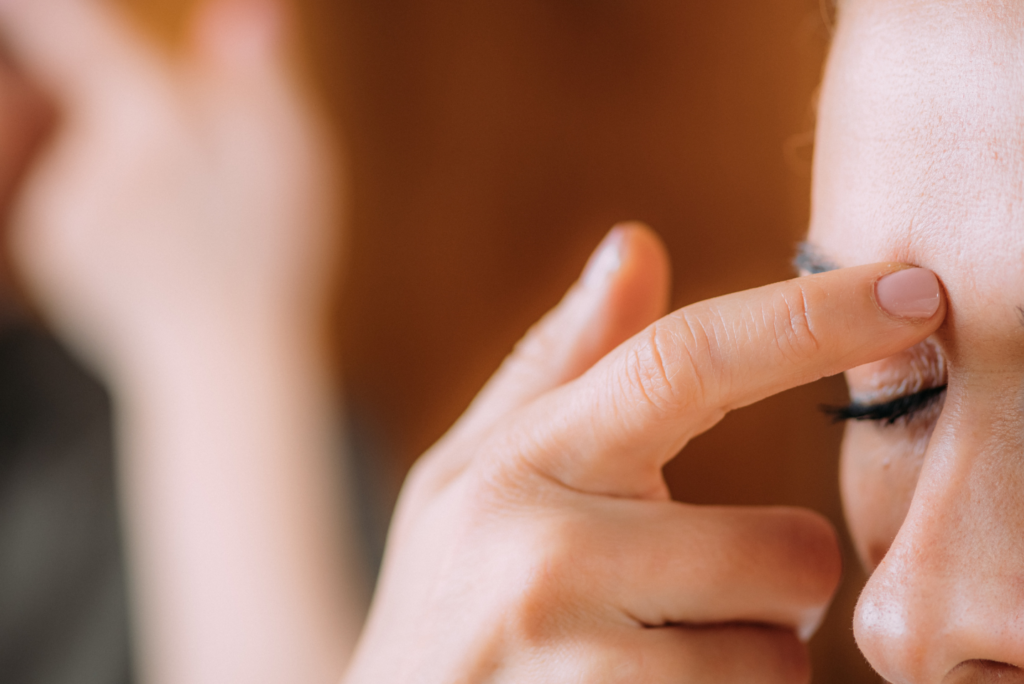
What is tapping? Tapping is a mind-body practice that uses gentle finger taps on points of the face, upper body, and hands while a person focuses on a stressful thought or feeling.
EFT stands for Emotional Freedom Techniques, and EFT tapping for anxiety is one common use. The method aims to help the nervous system shift from a stress response toward a calmer state.
The History of Tapping for Anxiety
EFT grew from earlier energy psychology methods and from ideas linked to acupressure.
Some tapping points draw on concepts from traditional Chinese medicine, particularly the idea that specific body points relate to emotional and physical balance.
Modern EFT uses these points as part of a structured emotional regulation practice. A person does not need to accept every theory behind EFT to use tapping as a grounding exercise.

EFT Tapping for Anxiety
EFT anxiety support usually begins with naming one specific concern. A person may focus on a fear, a bodily sensation, a memory, or a current stressor while tapping through a set sequence.
This process may help organize the anxious experience rather than avoid it. For some people, that structure makes the feeling easier to observe and tolerate.
Key Points for Tapping for Anxiety
The key tapping points often include:
- Side of the hand
- Eyebrow
- Side of the eye
- Under the eye
- Under the nose
- Chin
- Collarbone
- Under the arm
- Top of the head
These points are tapped lightly with two or more fingers. The pressure should feel gentle and comfortable. The goal is not to force anxiety away, but to stay present while reducing stress.
Acceptance Statements in EFT
EFT often uses a short acceptance statement during a tapping session. A common format is, “Even though I feel anxious about this, I can acknowledge how I feel right now.”
The wording can change as long as it feels honest and clear. This part of the tapping method for anxiety connects the physical action with emotional awareness.
Tapping Method for Anxiety
A basic tapping process can be simple and brief. First, choose one anxious thought or feeling, such as worry before a meeting or tension before bedtime.
Then rate your anxiety from 0 to 10, where 10 is the most intense. This gives you a starting point before tapping to relieve anxiety.
Next, tap through each point while repeating a short phrase, such as “this anxious feeling” or “this tightness in my chest.”
Move slowly and breathe normally. After one or two rounds, pause and rate the anxiety again. This recheck can help you notice whether the feeling changed, stayed the same, or became clearer.
Tapping for Anxiety Relief
Tapping for anxiety relief may be useful when anxiety feels present but manageable. People may use it before a difficult conversation, after an upsetting message, or during a moment of worry.
It can also help some people slow down racing thoughts long enough to choose the next step. It works best when used with realistic expectations.
You may also want to read: An Anxiety Disorder Can Be Caused by Stress Over Time
Tapping for Stress and Anxiety
Tapping for stress and anxiety may support people who feel tension during daily stress. For example, someone may tap while under pressure from work, family conflict, or uncertainty.
The process can create a brief pause between the trigger and the reaction. That pause may help the person respond with more awareness.
You may also want to read: Anxiety Grounding Techniques That Help You Refocus
Tapping for Anxiety and Panic Attacks
Tapping for anxiety and panic attacks should be approached with care. During a panic, the body may feel flooded with fear, a rapid heartbeat, shortness of breath, or dizziness.
Tapping may help some people ground attention, but it should not replace medical evaluation when symptoms are new, severe, or confusing.
People with recurring panic symptoms often benefit from professional assessment and therapy.
Benefits and Limits of Tapping
Possible benefits of tapping include greater emotional awareness, lower tension, and a clearer way to work with anxious thoughts. Some people use it because it is brief, portable, and easy to practice without equipment. It may also support other calming skills, such as breathing, grounding, or journaling. These benefits depend on the person, the concern, and the setting.
Tapping also has limits. It may not address deeper causes of anxiety, trauma, depression, relationship distress, or long-standing emotional patterns.
When anxiety affects sleep, work, school, relationships, or daily functioning, a broader treatment plan may be needed. Therapy can help explore why anxiety appears and what emotional conflicts may sit beneath it.
Who Should Use Caution
People should use caution if tapping brings up traumatic memories, dissociation, panic, self-harm thoughts, or intense emotional flooding.
Anyone with severe anxiety, complex trauma, or major changes in mood should seek support from a licensed mental health professional.
Tapping may still be used as a coping tool, but it should not become the only form of care. Safety matters more than completing a technique.
When Tapping May Not Be Enough
Tapping may not be enough when anxiety feels constant, intense, or connected to trauma. It may also be insufficient when a person avoids important parts of life because of fear.
If symptoms worsen or feel hard to control, professional support can provide structure and safety. A licensed clinician can help decide whether therapy, medical care, or both may be appropriate.
You may also be interested in: What Is the 333 Rule for Anxiety and How It Helps
Tapping for Anxiety EFT Videos
Some people search for a tapping-for-anxiety video because visual guidance makes the sequence easier to follow.
A video can help show where the tapping points are and how slowly to move through them. It is still important to choose sources that use calm, accurate, and non-sensational language.
A video should support learning, not promise a cure.
When to Seek Therapy
Therapy may be helpful when anxiety repeats, deepens, or feels tied to earlier experiences. A therapist can help a person understand symptoms in context, including relationships, stress history, family patterns, and inner conflict.
EFT can be one coping tool, but therapy offers a wider space for reflection and change. If anxiety feels difficult to manage alone, seeking professional care is a responsible next step.