

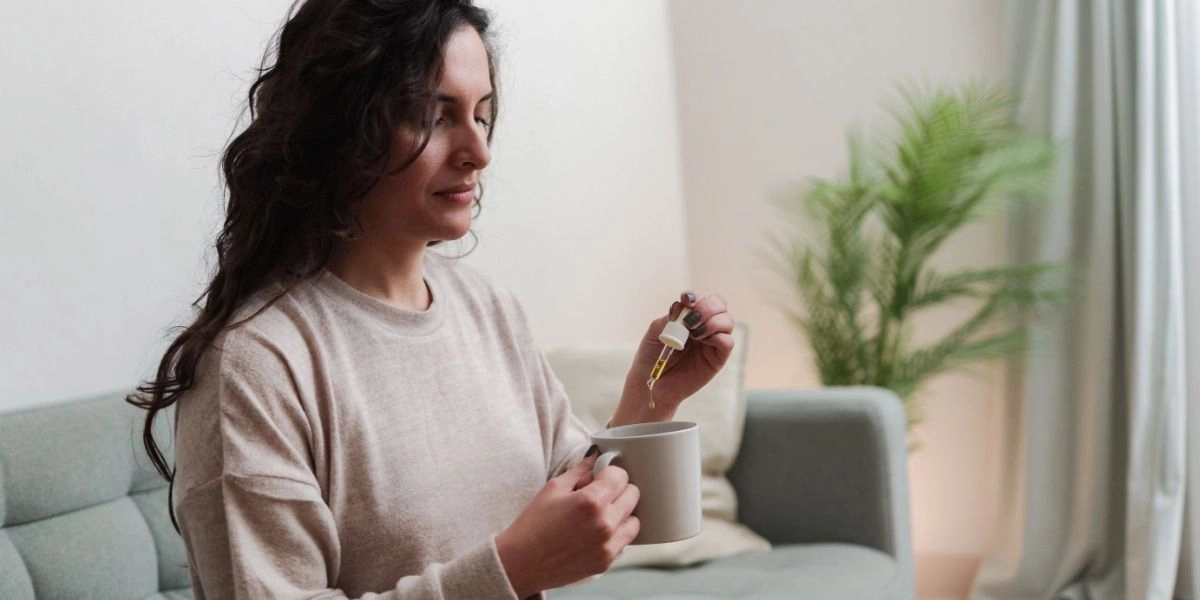
For some people, the answer to does THC help anxiety is yes in the short term, but the effect is mixed and may reverse at higher doses. Some studies suggest low doses of THC may reduce anxiety or stress for certain users, while stronger exposure may lead to increased anxiety, panic, or discomfort.
This is one reason clinicians use caution when discussing cannabis and mental health disorders. In clinical work, Anat Joseph evaluates anxiety symptoms based on history, function, and patterns over time, not on one substance alone.
Key Takeaways
- THC may seem calming for some people at first, but higher doses often increase distress rather than reduce anxiety.
- The effects of cannabis vary by product strength, dose, and personal sensitivity, so results are hard to predict.
- THC and CBD are not the same, and questions about long-term use, panic, and anxiety disorders need careful clinical review.
- For people with post traumatic stress disorder, panic symptoms, or other mental health disorders, therapy may be a more stable path.
When It May Help or Worsen
Some people ask, can weed help with anxiety, can cannabis help with anxiety, or is weed good for anxiety, because they want fast relief. The answer is conditional, not absolute. Some people report beneficial effects, but others feel more tension, fear, or confusion after using cannabis products.
How THC Affects Anxiety
The effects of THC can include calm, euphoria, fear, or overstimulation, depending on the person and the setting. THC can change how the brain processes threat and bodily signals, which helps explain why the same product may feel soothing one day and overwhelming the next. This is why the effects of cannabis are hard to treat as a simple fix for anxiety.
Does THC Help Anxiety and Stress
Research on whether THC helps anxiety and stress suggests that dose matters. In one controlled study, 7.5 milligrams was associated with lower stress, while 12.5 milligrams was associated with greater distress. That means doses of THC can shape whether a person feels temporary relief or a worse reaction.
Low Doses vs High Doses
Low doses may reduce anxiety for some users in controlled settings. Higher doses raise a greater risk of increased anxiety, mental discomfort, and a faster heart rate. Cannabis products also vary in strength, so people use cannabis with very different results.
What Research Says About THC and Anxiety
A systematic review may show mixed findings because studies use different products, measures, and populations. Research also suggests that THC is only part of the picture, since other compounds in cannabis products may change the experience. Even so, current evidence does not support THC as a simple or reliable way of treating anxiety.
How THC Can Worsen Anxiety
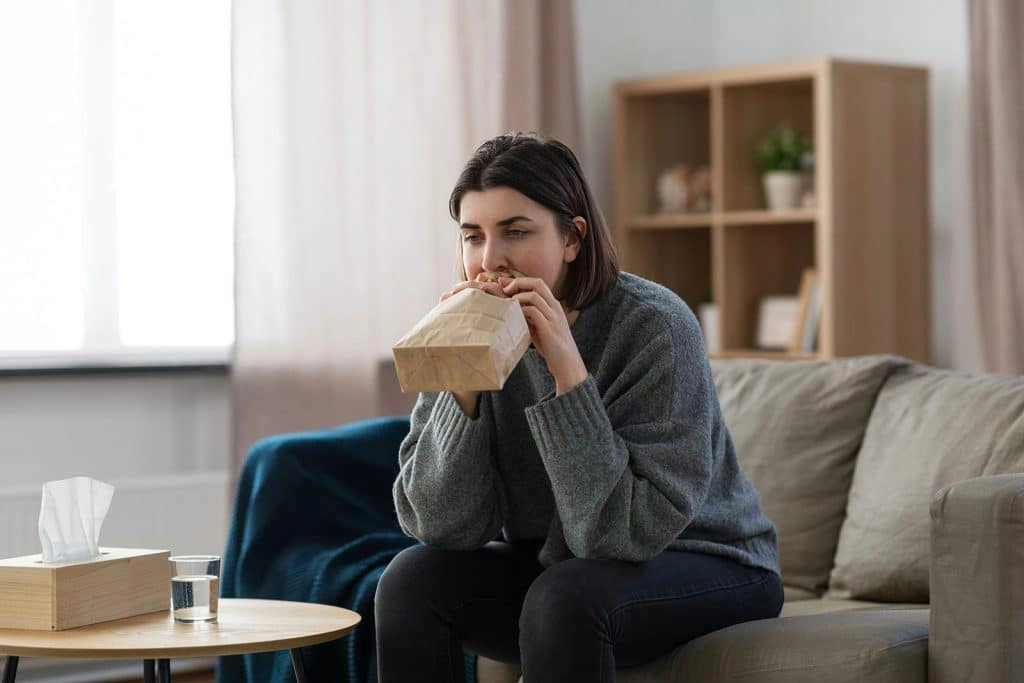
When THC worsens anxiety, symptoms may rise quickly. A person may notice racing thoughts, shakiness, fear, or stronger anxiety symptoms that feel hard to control. If physical symptoms become severe, consult a physician.
Panic, Paranoia, and Risk Factors
The risk may be higher for people with past panic, stress disorder, PTSD, post-traumatic stress disorder, or other mental health disorders. The same reaction may also be harder for people who are sensitive to body changes, such as a rising heart rate. This is one reason why weed helps with anxiety disorders is not a question with one safe answer.
Who Should Avoid THC
THC may be a poor fit for people with frequent panic, unstable mood, trauma-related symptoms, or repeated increased anxiety after weed. Caution also matters when a person already feels distressed by psychoactive effects or relies on substances to cope. In these cases, short-term relief may be followed by more fear, confusion, or long-term reliance.
Is THC or CBD Better for Anxiety
CBD is generally considered the safer option for anxiety because it does not produce the same intoxicating effects as THC and is less likely to trigger fear, panic, or increased anxiety.
THC may reduce anxiety for some people at low doses, but it may also make symptoms worse, especially at higher doses or in people who are already vulnerable to stress. For that reason, CBD is often viewed as the better option for anxiety discussions, while THC requires much more caution and is not a reliable first-line choice.
Does CBD Help Anxiety Long Term
Is still difficult to answer with confidence. Research interest is growing, but evidence is still mixed and does not support broad conclusions. The National Institute has supported cannabis research, but more controlled study is still needed.
Does CBD Help Anxiety and Panic Attacks
CBD is often discussed as a gentler option, but it is not a replacement for clinical assessment. Panic attacks, chronic worry, and functional decline may point to anxiety disorders that need therapy, medication review, or both. That is why product marketing should not guide treatment decisions.
Does Weed Help With Anxiety Disorders
General stress is not the same as a diagnosed anxiety disorder. Weed may calm a person briefly, but it does not resolve avoidance, trauma responses, sleep disruption, or deeper relational patterns. For many patients, treating anxiety means understanding triggers and behaviors over time.
Will a Doctor Prescribe THC for Anxiety
THC is not a standard first-line treatment for anxiety. A doctor may discuss risks, local law, and product concerns, but many clinicians remain cautious because higher doses may worsen symptoms. Formal care more often begins with psychotherapy or psychiatric evaluation.
When Therapy May Help More
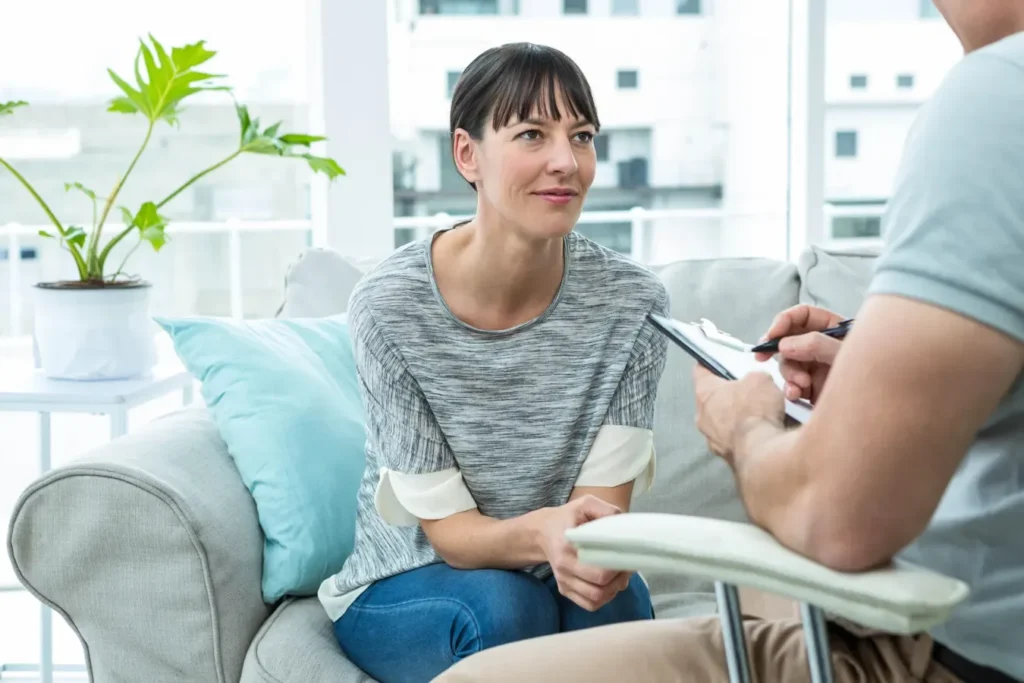
Therapy may help more when anxiety is persistent, impairing, or tied to trauma or conflict. Anat Joseph is a licensed clinical social worker and psychoanalyst, and treatment may include Cognitive Behavioral Therapy, psychoanalysis, and the psychodynamic approach. These models help patients build insight, reduce anxiety, and understand recurring emotional patterns.
Final Thoughts on Weed and Anxiety
THC may help some people briefly, but it may also worsen symptoms, especially at higher doses or in vulnerable users. The safer question is not only can weed help with anxiety, but whether it fits the person, symptom pattern, and level of risk.
For many people, therapy remains the steadier option. If you want a more individualized clinical assessment, consider scheduling a consultation with Anat Joseph to discuss anxiety symptoms, treatment options, and whether therapy may be the right next step.
Because Your Happiness Matters.
