Red light therapy may help some people feel calmer, but current evidence is limited and mixed.
The question “Does red light therapy help anxiety?” does not have a simple yes or no answer because results may depend on timing, light intensity, sleep patterns, and the person’s mental health history.
Anat Joseph, LCSW, PsyA, a licensed clinical social worker and psychoanalyst, works from a clinical perspective where anxiety is understood through symptoms, relationships, stress patterns, and emotional history.
Red light therapy should be viewed as a possible wellness support, not a replacement for psychotherapy, medical care, or crisis support.
Key Takeaways
- Red light therapy may support relaxation for some people, but current evidence for anxiety is limited and mixed.
- Red light therapy should not replace psychotherapy, medical care, or other clinically appropriate anxiety treatment.
- Timing matters because red light exposure may affect alertness, sleep, and circadian rhythm in some people.
- Some people may feel more anxious or overstimulated after red light use, especially with late-night or intense exposure.
- Professional support is important when anxiety affects sleep, work, relationships, or daily functioning.
Does Red Light Therapy Help Anxiety?
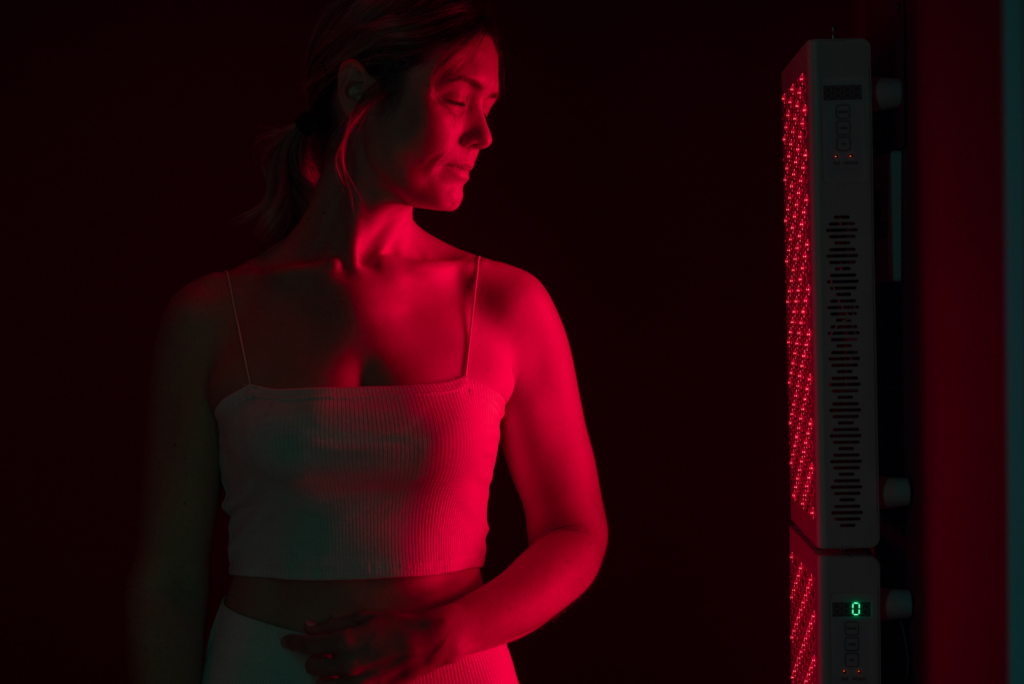
Red light therapy uses red or near-infrared light to treat the body via a lamp, panel, mask, or other device. Some people use it to support sleep, pain, skin health, recovery, or mood.
For anxiety, the main idea is that light may affect the body’s stress response, energy production, and sleep rhythm.
The current answer is cautious. Red light therapy may support relaxation for some people, but it is not an established anxiety treatment.
Anxiety often involves thoughts, body sensations, avoidance patterns, and unresolved stress, so light exposure alone may not address the full picture.
What the Evidence Shows
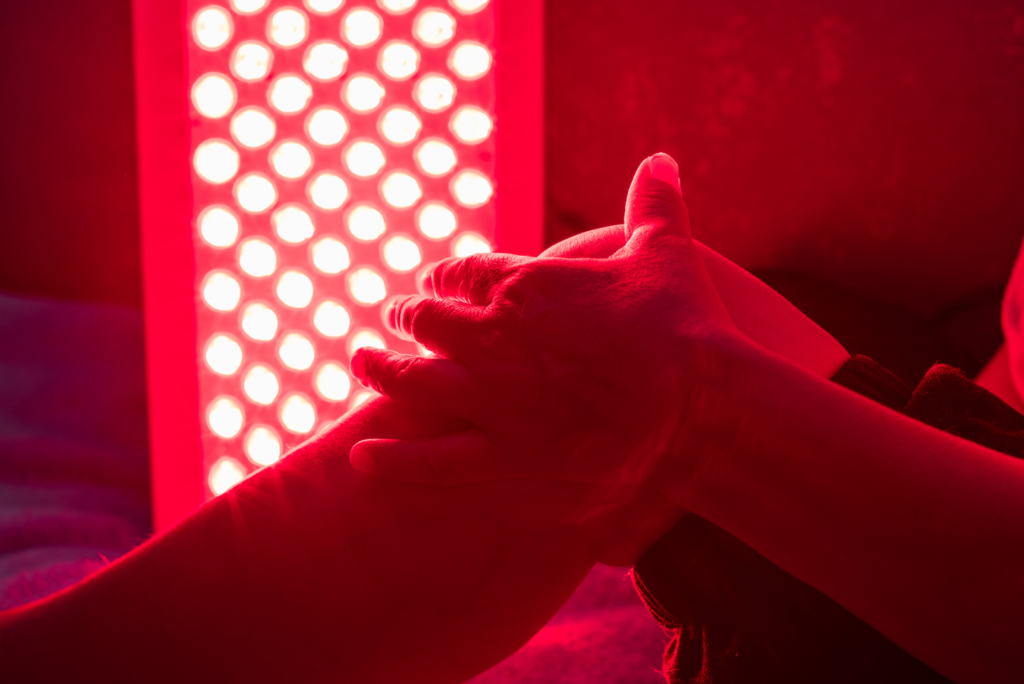
Studies show that red light may affect the body at a cellular level. Red and near-infrared light may interact with mitochondria, which help cells produce energy.
This process may explain some potential benefits linked to healing, inflammation, and physical recovery.
Some sources also discuss red light therapy for mental health because mood and the body are connected.
Pain, inflammation, poor sleep, and chronic stress can affect emotional regulation. If red light therapy improves one of these areas, anxiety may feel easier to manage for some people.
You may also be interested in: What Is the 333 Rule for Anxiety and How It Helps
Limits of the Current Evidence
The evidence for anxiety is not strong enough to call red light therapy a proven mental health treatment. Research is still developing, and many claims come from wellness use rather than large clinical studies.
This matters because anxiety symptoms can change for many reasons, including sleep, stress, routine, placebo response, and therapy.
One study found that red light exposure before sleep could increase alertness, anxiety, and negative emotions in some participants.
That finding does not mean red light is always harmful, but it shows why timing and individual response matter. It also supports a cautious approach for people with insomnia or nighttime anxiety.
Red Light Therapy for Depression and Anxiety
Red light therapy for depression and anxiety is often discussed as a supportive wellness tool. Depression and anxiety can overlap, especially when a person feels tired, tense, withdrawn, or stuck in repetitive thoughts.
Light-based approaches may affect mood partly through sleep, energy, and circadian rhythm.
Still, anxiety and depression are clinical conditions, not simple energy problems. They may involve trauma, grief, family history, relationship stress, medical issues, or medication needs.
Any light-based routine should be part of a broader care plan when symptoms are persistent or disruptive.
Red Light Therapy for Depression
Red light therapy for depression is being studied because light can affect biological systems related to mood.
Bright light therapy has stronger evidence for seasonal depression than red light therapy. Red light therapy differs from bright light therapy, so the same conclusions should not be drawn.
The possible appeal of red light therapy for depression is that it may feel gentle and structured. A quiet daily session may give some people a sense of routine.
But depression requires careful attention when it includes hopelessness, major sleep changes, appetite changes, or loss of interest.
How to Use Red Light Therapy for Depression
People searching for how to use red light therapy for depression should focus first on safety and expectations.
It is better to view it as a possible addition to care rather than the main treatment. A person should follow the device’s instructions, avoid overuse, and track changes in mood and sleep.
Timing may matter. Morning or daytime use may be less likely to interfere with sleep than late-night exposure.
If symptoms worsen or if sleep becomes more disrupted, the routine should be reconsidered with a qualified clinician.
You may also want to read: An Anxiety Disorder Can Be Caused by Stress Over Time
Red Light Therapy for Mental Health
Red light therapy for mental health is a broad topic. It may include anxiety, depression, sleep, stress, fatigue, and pain-related mood changes.
The strongest claims should be avoided because mental health outcomes depend on many biological, emotional, and social factors.
A useful way to understand red light therapy is to separate direct and indirect effects. A direct effect would mean the light itself reduces anxiety symptoms.
An indirect effect would mean the light helps sleep, pain, or relaxation, which then helps the person feel less anxious.
Benefits of Red Light Therapy
The benefits of red light therapy are usually described in physical terms. These may include skin support, reduced inflammation, muscle recovery, and changes in circulation.
Some sources also note that red light may increase blood flow, which can support tissue repair.
For anxiety, these benefits may matter when physical discomfort contributes to stress.
A person with pain, poor sleep, or body tension may feel calmer when the body feels more settled. This does not mean red light treats anxiety itself, but it may support a calmer routine.
Red Light Therapy for Stress
Red light therapy for stress may help some people create a predictable pause in the day. Stress often affects breathing, sleep, muscle tension, and attention.
Sitting quietly during a session may support relaxation because the routine itself slows the pace.
The light source also matters. A device that is too bright, too close, or used too late may feel stimulating instead of calming.
People with anxiety should notice how their body responds during and after each session.
Red Light Therapy for Relaxation
Red light therapy for relaxation works best as a low-pressure practice. The goal should be observation, not forcing calm.
A person might use the time to breathe slowly, sit still, or reduce phone use.
Relaxation is not the same as anxiety treatment.
Anxiety often returns when avoidance patterns, fears, or emotional conflicts remain unchanged. This is where therapy may offer deeper support.
How to Use Red Light Therapy for Anxiety
People who want to know how to use red light therapy for anxiety should start with conservative use. Follow the red light therapy device instructions, use short sessions, and avoid changing several routines at once.
This makes it easier to notice whether the light helps, does nothing, or worsens symptoms.
It may also help to track sleep, mood, anxiety level, and timing. A simple note after each session can show patterns. If anxiety increases after use, the timing, brightness, or frequency may not fit that person.
Where to Put Red Light for Anxiety?
There is no approved body placement for treating anxiety with red light.
Some wellness routines place red light near the head, face, neck, or body, but placement should follow device safety instructions. Eye protection may be important depending on the product.
The safest answer is practical.
Do not aim a bright light directly into the eyes unless the device is made for that use. Avoid using any device in a way that causes discomfort, headache, agitation, or sleep disruption.
Session Timing and Frequency
Short sessions are usually more reasonable than long exposure. Many consumer devices suggest 2 to 20 minutes, but instructions vary. More time does not always mean better results.
Late-night use deserves caution. Light exposure can affect circadian rhythm, alertness, and sleep readiness. People with insomnia or nighttime anxiety may do better by avoiding bright red light close to bedtime.
Best Red Light Therapy for Anxiety
The best red light therapy for anxiety is not one specific product. A safer standard is a device with clear instructions, appropriate wavelength information, eye-safety guidance, and realistic claims. Products that promise to cure anxiety should be viewed with caution.
It is also important to compare red light therapy with other light therapies. Bright light therapy has more established use for seasonal depression and circadian rhythm issues.
Red light therapy has multiple mechanisms and should not be treated as a single intervention.
Can Red Light Therapy Cause Anxiety?
Yes, red light therapy can cause anxiety or discomfort in some cases. This may happen if the light is too intense, used too late, or creates a feeling of overstimulation.
Some people may also become more anxious when monitoring body sensations during a new wellness routine.
This does not mean every person will react poorly. It means the response is individual. Anxiety care should always consider personal history, sleep, sensitivity to stimulation, and symptom patterns.
Anxiety, Alertness, and Sleep Effects
Anxiety often worsens when sleep becomes fragmented or delayed. If red light increases alertness before bed, it may make it harder for some people to settle.
This is especially relevant for people who already struggle with insomnia.
Sleep also supports emotional regulation. When sleep quality drops, anxious thoughts may feel stronger the next day.
For this reason, darkness, consistent sleep timing, and reduced evening stimulation may matter more than adding a light-based routine.
Red Light Therapy vs Psychotherapy
Red light therapy and psychotherapy address different parts of anxiety. Red light therapy may target body-based processes such as inflammation, circulation, light exposure, or routine.
Psychotherapy addresses fear patterns, emotional meaning, relationships, coping strategies, and repeated responses to stress.
A clinical approach also looks at why anxiety appears and what keeps it active. Some people avoid situations, overthink possible outcomes, or carry unresolved experiences that shape their reactions.
These patterns usually need conversation, reflection, and guided treatment rather than a device-based approach alone.
You may also want to read: What Is Individual Psychotherapy and How Does It Work
When to Seek Anxiety Support
A person should seek professional support when anxiety affects sleep, work, school, relationships, parenting, or daily functioning.
Support is also important when panic symptoms, trauma responses, depression, or avoidance become frequent. Red light therapy should not delay care when symptoms are persistent or worsening.
Clinical support can help clarify what type of anxiety is present and what treatment may fit. Therapy may include emotional exploration, coping skills, family context, or deeper work with long-standing patterns.
Red light therapy may be discussed as part of a broader wellness routine, but it should not replace appropriate mental health care.