

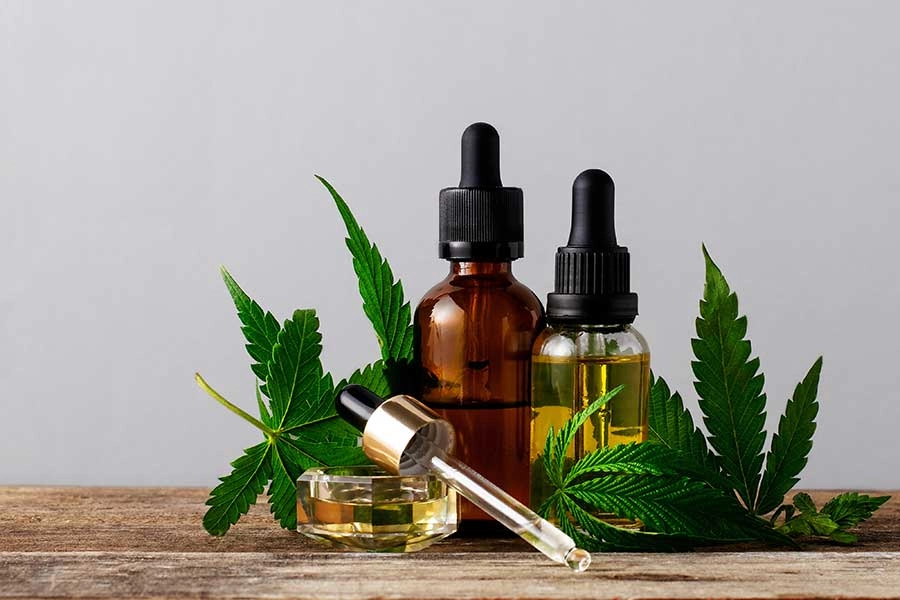
CBD may help some people with anxiety, but the evidence is still limited. When readers ask whether CBD helps with anxiety, the most accurate answer is that early research shows possible benefit in specific settings, not a proven first-line treatment for all anxiety disorders.
Anat Joseph, a Licensed Clinical Social Worker and Psychoanalyst, would place this issue within a broader mental health context that encompasses symptoms, safety, and the value of therapy.
Key Takeaways
- CBD may reduce anxiety in some short-term settings, but it is not a proven first-line treatment for every anxiety disorder.
- Current clinical studies and clinical trials show promise, yet the evidence remains limited, mixed, and incomplete.
- CBD oil and other products vary in quality, dosage, and ingredients, so safe use requires caution and attention to side effects.
- Therapy may be more useful when anxiety is persistent, complex, or linked to trauma, depression, or relationship stress.
Can CBD Help With Anxiety
Can CBD help with anxiety in a general sense? It may reduce anxiety for some study participants in controlled settings, but results vary by diagnosis, dose, and study design. The bottom line is that possible benefit does not equal standard care.
How Does CBD Help With Anxiety
When readers ask: “How does CBD help with anxiety?”, the main explanation involves brain systems linked to fear, stress, and mood. Research suggests cannabidiol CBD may affect serotonin signaling and other pathways tied to stress response. The effects of CBD are still being studied, so theoretical expectations do not guarantee symptom relief for every person.
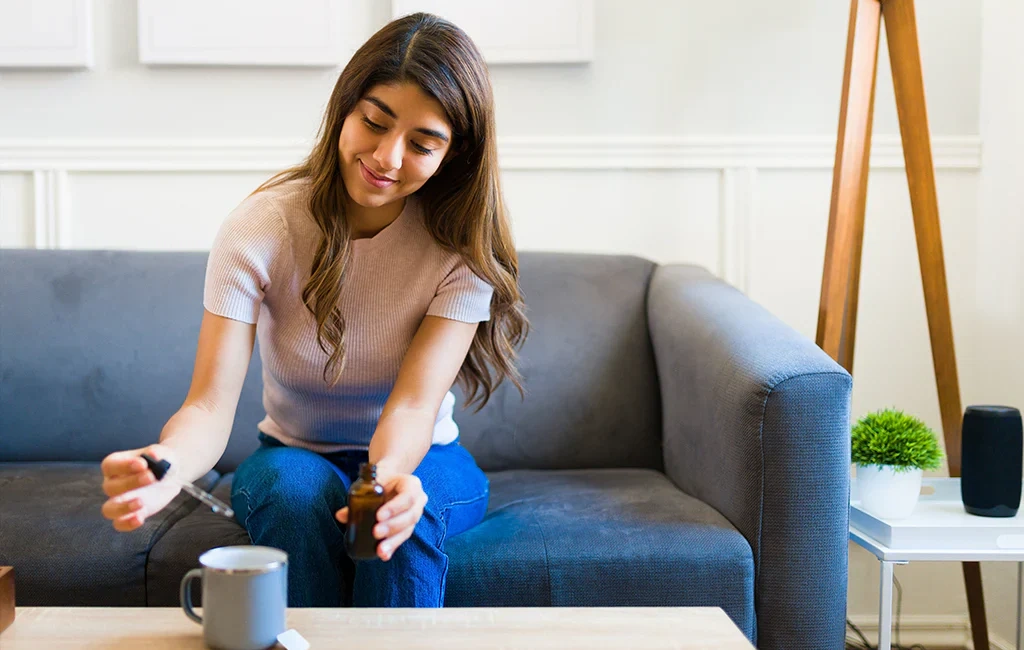
Is CBD Good for Anxiety
Whether CBD is good for anxiety depends on the person, the symptoms, and the product used. Some early studies suggest CBD worked in narrow settings, but the evidence is not strong enough to support broad claims. That is why using CBD to treat anxiety should be viewed with caution.
What Research Says About CBD
Research includes preclinical work, human experiments, reviews, and newer summaries. Some findings suggest CBD may reduce anxiety in certain short-term situations, especially social stress tasks. Still, the research base remains small, and long-term questions are still unresolved.
Clinical Evidence for Anxiety
Clinical evidence is strongest in studies involving social anxiety or stress during specific tasks. Some reviews included only a few hundred study participants, which limits how widely the results can be applied. These clinical studies are useful, but they do not prove that CBD works the same way for every anxiety condition.
What We Know So Far
Current evidence suggests CBD may reduce anxiety in some controlled situations. The clearest signal appears in short-term studies where symptom change can be measured during a defined task. This supports cautious interest, not broad certainty.
What Remains Unclear
Several questions remain open. Researchers still need better data on dose, duration, long-term safety, and which anxiety symptoms respond best. That is why the evidence should be treated as promising but incomplete.
Limits of Current Evidence
Many clinical trials are small and use different methods, which makes comparison harder. Some results are positive, but the field still lacks sufficient consistency to draw firm conclusions about treatment. On a health topic, that limit matters.
CBD for Anxiety and Related Conditions
Anxiety often overlaps with pain, depression, and trauma symptoms. Still, these conditions are not identical, and research is not equally strong across them. A careful article should separate them rather than treat them as a single issue.
Does CBD Help With Anxiety and Panic Attacks
Some early findings suggest CBD may help reduce panic-like symptoms in limited settings. Even so, panic attacks can overlap with trauma, medical conditions, and other psychiatric problems. A CBD product should not replace a proper assessment when symptoms are severe or sudden.
Does CBD Help With Anxiety and Pain
Pain and anxiety often reinforce each other. Some research looks at CBD for pain, but evidence for combined anxiety and pain relief remains limited. Clear treatment depends on identifying what is driving the distress.
Does CBD Help With Anxiety and Depression
Anxiety and depression often appear together, but they are not the same disorder. Current evidence is not strong enough to treat both as one simple CBD target. That matters when symptoms include low mood, hopelessness, or major daily impairment.
How to Use CBD for Anxiety
People often want practical guidance before they consider therapy. That makes sense, but product form, dose, timing, and quality all affect the experience. Good information should explain use without presenting CBD as a guaranteed solution.
Can CBD Oil Help With Anxiety
Can CBD oil help with anxiety? It may be for some users, yet oil is only one form, and not all products are equal. Absorption, concentration, and the presence of THC, tetrahydrocannabinol, can change the experience.
Using CBD to Treat Anxiety Safely
Using CBD to treat anxiety should begin with caution. Anyone taking a prescription medication or managing complex symptoms should speak with a licensed clinician first. This is especially relevant when symptoms follow patterns, such as why do I get anxiety at night, because timing and triggers can shape care decisions.
CBD Dosage for Anxiety
There is no single standard dose that fits every person. Research involves varying doses, and experts still need more data on routine dosing and long-term safety. A higher dose is not always better, and it can make side effects harder to interpret.
How Long Does CBD Take to Work
Onset varies by product form, dose, and metabolism. Some people seek quick relief, but short-term calming does not always lead to lasting improvement. Research settings control timing more carefully than daily life does.
How Long Effects May Last
CBD may last a few hours, but the duration varies by product, dose, and individual response. Some people may notice a short calming effect, while others may notice little change. That short effect is not the same as long-term improvement in anxiety symptoms. Research still does not support one consistent duration for all users.
Best CBD Products for Anxiety
The phrase best CBD products for anxiety is common in search, but quality matters more than hype. Examples include full-spectrum CBD oil, broad-spectrum CBD oil, CBD isolate capsules, and CBD gummies, though not every form works the same way for every person.
A CBD product should have clear labeling, a defined amount of CBD per serving, and third-party testing that confirms ingredients and THC content. Those basics are more useful than vague wellness claims or trend-driven packaging.
Best CBD for Anxiety and Depression
This phrase reflects user interest, but it can oversimplify a clinical issue. A product that feels calming is not the same as treatment for depression. People with severe depressive symptoms need clinical care, not product comparison alone.
How to Choose Quality CBD
Readers should review concentration, batch testing, source, and added ingredients. They should also know whether the item is sold alongside dietary supplements, which are subject to limited oversight. CBD products are not the same as approved medications for seizure disorders.
CBD Safety, Side Effects, and Risks
Safety matters because side effects are part of the decision. Reviews cited by the World Health Organization describe CBD as generally well-tolerated, but that does not mean it is harmless for everyone or at every dose. Caution is still needed.
Drug Interactions to Know
CBD can interact with other substances and may complicate treatment. That includes some psychiatric and medical drugs, which is why readers should not mix it casually with a prescription medication plan. Clear supervision helps reduce confusion and risk.
Who Should Avoid CBD
Extra caution is needed for people who are pregnant, medically fragile, or managing complex psychiatric symptoms. People with post traumatic stress disorder ptsd may search for CBD, but trauma care often needs a broader plan. Caution also matters when someone expects CBD to replace all other care.
When to Consider Therapy Instead
Therapy may be the better starting point when anxiety is persistent, causes avoidance, or affects work, school, or relationships. Working with an anxiety therapist in NYC may offer more structured support. In these cases, therapy addresses both symptoms and underlying patterns.
Short-Term and Long-Term Care
Short-term support may focus on coping tools, sleep, and routines, including the 3-3-3 rule for anxiety. Long-term care may focus on repeated triggers and emotional meaning, while mindfulness exercises for anxiety can support daily awareness. Cognitive Behavioral Therapy, psychoanalysis, and the psychodynamic approach each offer different ways to understand and reduce anxiety.
How Therapy Supports Lasting Change
Therapy helps people understand what raises anxiety and how to respond in safer ways. It can also clarify whether depression, trauma, substance use, or relationship stress is shaping the picture. For many people, that makes therapy more useful than relying on self-treatment alone.
Because Your Happiness Matters.
