

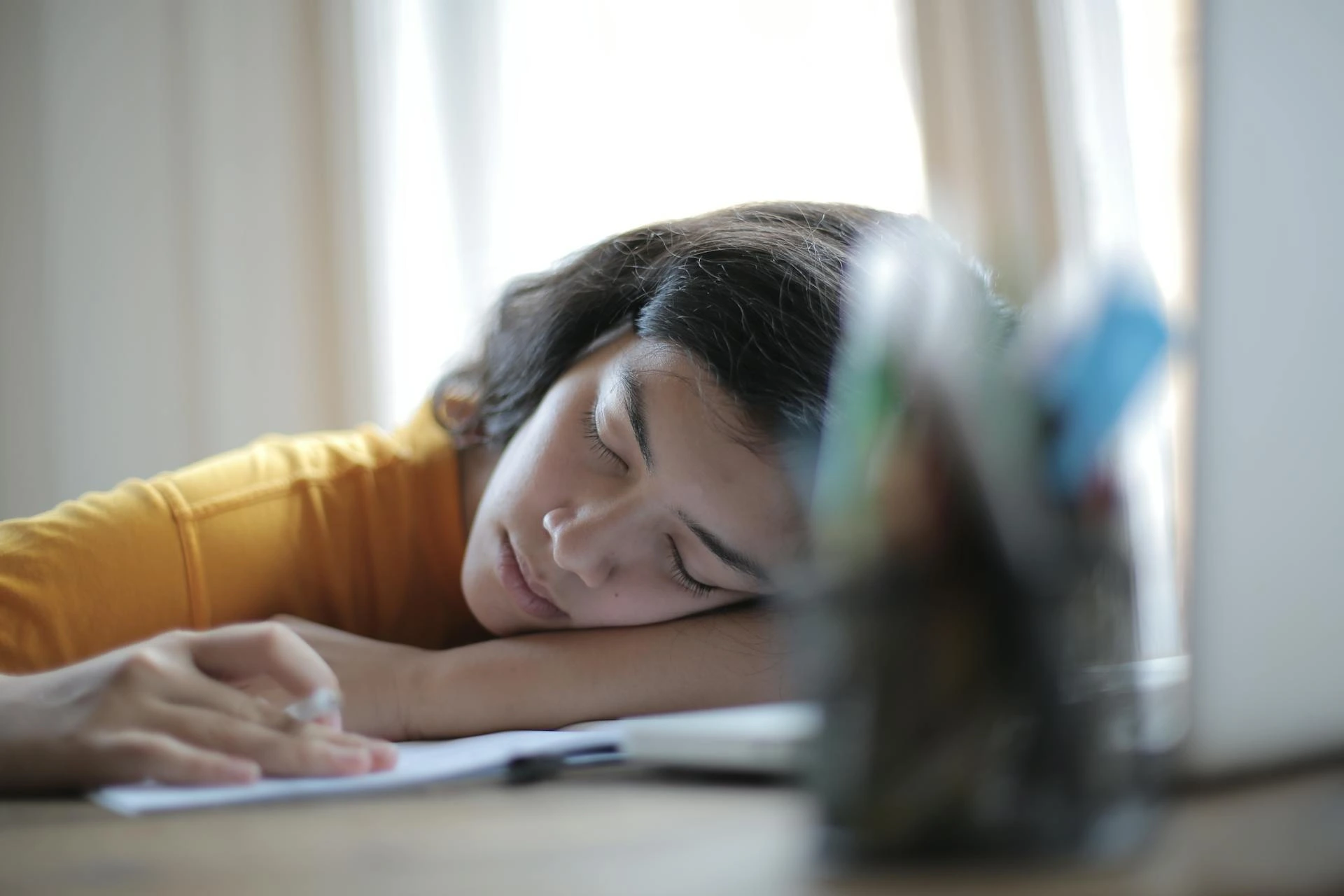
The answer is yes. Anxiety can lower energy levels, disturb sleep quality, and create muscle tension that leaves you feeling worn down both mentally and physically. It can also make it harder to fall asleep, recover from stress, and function well in daily life.
In clinical settings, Anat Joseph, LCSW, PsyA, may help patients understand how fatigue fits within the broader symptoms of anxiety.
Key Takeaways
- Anxiety can cause fatigue by keeping the body and mind under stress for too long, which affects sleep, focus, and recovery.
- Feeling tired from anxiety may include brain fog, weakness, headaches, dizziness, and exhaustion after panic attacks.
- Lack of sleep, chronic stress, and stress hormones can all make anxiety-related fatigue worse.
- Fatigue is not always caused by anxiety, so persistent symptoms may need medical review to rule out other causes.
- Treatment may include cognitive behavioral therapy CBT, psychoanalysis, the psychodynamic approach, sleep support, and relaxation techniques.
Does Anxiety Make You Tired?
Anxiety keeps the nervous system active for too long. That strain can reduce sleep quality, increase sleep disturbances, and make the body work harder than usual. Over time, this can leave a person feeling tired, distracted, and physically depleted.
This type of tiredness can last for days if stress remains high. Some people feel tired from anxiety after panic attacks, while others notice a slower, long-term buildup tied to poor rest and constant worry. When symptoms begin to interfere with daily life, a fuller evaluation is important.

What Anxiety Fatigue Feels Like
Anxiety fatigue often includes low energy, poor focus, and brain fog. A person may have trouble concentrating, notice slower thinking, or feel that routine tasks take more effort than usual. This can make daily demands feel heavier than they are.
Many people also ask, “Does anxiety cause tiredness?” Does anxiety make you tired? Can anxiety make you feel weak? The answer can be yes, especially when muscle tension, poor sleep, and constant alertness are involved. Some people feel shaky, heavy in the arms and legs, or dizzy after strong anxiety episodes.
Fatigue may also be accompanied by headaches, lightheadedness, sweating, and stomach discomfort. In some cases, anxiety sweating becomes one of the more noticeable physical symptoms during periods of stress. When stomach symptoms appear, anxiety and stomach pain may help explain how anxiety affects the body. If physical symptoms are new, severe, or ongoing, consult a physician.
Why Anxiety Feels So Exhausting
Anxiety uses mental energy. A person may replay conversations, expect problems, or stay focused on potential threats, leaving them feeling mentally drained by the end of the day. This type of mental overload is one reason the symptoms of anxiety often include fatigue.
Poor sleep is another major factor. Anxiety can make it harder to fall asleep, reduce sleep quality, and create repeated waking during the night. That lack of sleep can leave you feeling tired the next day and make it harder to recover from stress.
The fight-or-flight response also plays a central role. Stress hormones such as cortisol and adrenaline prepare the body for action, even when no real danger is present. If that pattern stays active for too long, it can increase muscle tension, reduce rest, and leave you feeling exhausted.
Can Tiredness Bring on Anxiety
When a person is already drained, it becomes harder to cope with stress, think clearly, and stay calm. In that sense, fatigue can make anxiety feel stronger.
This can create a cycle. Anxiety disrupts sleep and increases stress, then fatigue makes the next day feel harder, which raises anxiety again. A clear treatment plan often aims to interrupt that loop.
How to Manage Anxiety Fatigue
Managing anxiety fatigue starts with noticing patterns in sleep, stress, food intake, and activity. Even small changes can improve recovery. Rest, regular meals, and gentle movement can all support better energy levels.
For some people, movement is part of recovery, and physical activity and anxiety can be useful to review in that context. Breathing work and other relaxation techniques may also help the body settle during the day. Better routines often improve sleep quality over time.
Therapy may help a person understand what is driving both fatigue and anxiety. Cognitive behavioral therapy CBT can address unhelpful thought patterns, while psychoanalysis and the psychodynamic approach may explore deeper emotional themes connected to chronic stress.
A licensed clinician such as Anat Joseph may assess symptoms in context and help shape a treatment plan. For more context on working with an anxiety therapist in NYC, this may clarify how support is structured.

When Fatigue May Have Other Causes
Fatigue linked to anxiety should be understood in context. A clinician may look at stress, sleep disturbances, medications, mood, panic attacks, and health history before deciding what is most likely. This matters because anxiety can explain fatigue, but it is not the only possible cause.
Thyroid problems, anemia, infections, depression, and sleep disorders can also cause tiredness. Some people also search for “adrenal fatigue,” but it is not an accepted medical diagnosis. If fatigue is severe, sudden, or paired with chest pain, fainting, fever, or persistent weakness, seek professional medical evaluation.
When to Seek Professional Help
It may be time to seek professional care when anxiety and fatigue become frequent, hard to explain, or difficult to manage alone. This is especially true when symptoms begin to affect work, relationships, rest, or concentration. Early support can help clarify what is happening and what kind of care may help.
If these symptoms are affecting your daily life, you may want to consider scheduling an appointment with Anat Joseph to explore your concerns in a thoughtful clinical setting.
Because Your Happiness Matters.
