Anat Joseph, LCSW, PsyA, is a licensed clinical social worker and psychoanalyst who works with people experiencing anxiety and related concerns.
Each method may support short-term calming, but the right choice depends on your symptoms, comfort, and health needs.
Best Breathing Techniques for Anxiety
The best breathing techniques for anxiety slow the breathing rhythm and direct attention toward the present moment. Breathing should feel controlled and comfortable, not forced. Try one method at a time and notice how your body responds.
- Slow Exhale Breathing
Inhale gently through your nose for three or four counts. Exhale slowly for five or six counts without forcing all the air out. Repeat for one to three minutes.
- Deep Breathing for Anxiety
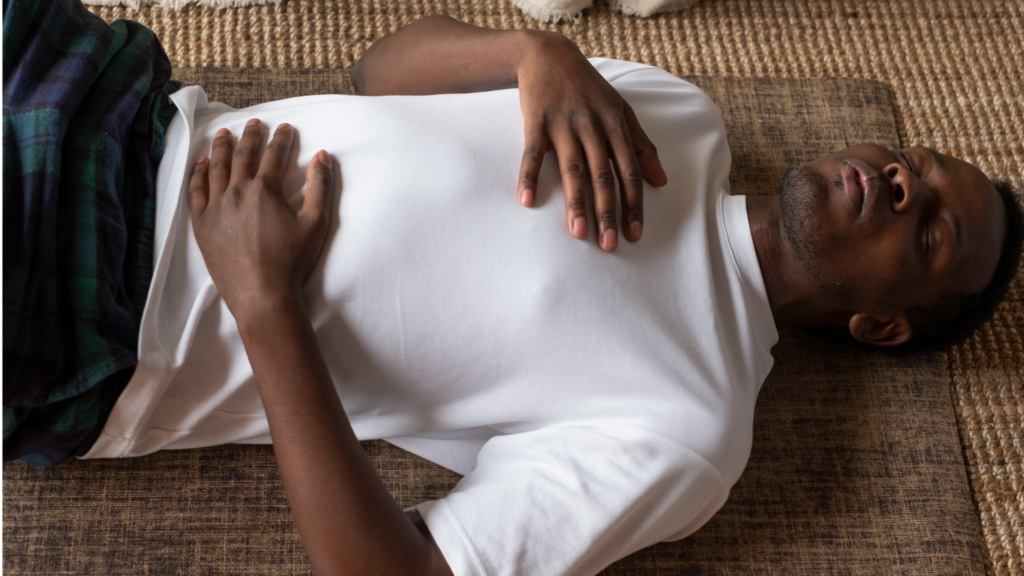
Deep breathing for anxiety should expand the abdomen rather than lift the shoulders. Place one hand on your stomach and the other hand on your chest. Let the lower hand move more as you breathe in and out slowly.
- Diaphragmatic Breathing
Diaphragmatic breathing uses the main breathing muscle below the lungs. Inhale through your nose and allow your abdomen to expand. Exhale slowly through your mouth without pushing or straining.
- Box Breathing
Box breathing follows four equal steps. Inhale for four counts, hold for four, exhale for four, and pause for four. Shorten the counts or remove the holds if they cause discomfort.
What Is the 4-7-8 Breathing Method?
The 4-7-8 method uses a four-count inhale, seven-count hold, and eight-count exhale. The longer exhale may help create a slower rhythm. Beginners can shorten the counts while keeping the exhale longer than the inhale.
Breathing Exercises for an Anxiety Attack
During an anxiety attack, focus on slowing the breathing pattern rather than trying to remove every symptom. Start with a gentle exhale, then take a small breath in. Stop if the exercise increases fear, dizziness, or breathlessness.
- Start With a Longer Exhale
Breathe out slowly before taking another breath. Then inhale gently and let the next exhale last slightly longer. This can reduce rapid breathing without requiring a large inhalation.
- Combine Breathing With Grounding
Notice the chair, floor, or another stable surface while you breathe. Name a few things you can see, hear, and feel. This can shift attention away from intense internal sensations when you feel anxious.

What Is the 333 Rule for Anxiety?
The 333 rule is a grounding method, not a breathing exercise. Identify three things you see, three sounds you hear, and three body parts you can move. Pair each step with a slow exhale if that feels comfortable.
How Breathing Helps Anxiety
Understanding how breathing helps anxiety starts with the body’s response to perceived danger. Anxiety may increase breathing speed, muscle tension, and heart rate. Slow breathing may reduce physical arousal, but it does not remove the source of anxiety by itself.
- The Fight-or-Flight Response
The fight-or-flight response prepares the body to react to a possible threat. Breathing may become fast and shallow, while the muscles tighten. This response can occur even when no immediate danger is present.
- The Parasympathetic Nervous System
Slow breathing may support nervous system activity linked with rest and recovery. It may also help lower heart rate, blood pressure, and physical tension while reducing stress. The effect varies from person to person and may be temporary.
You may also be interested in: Mindfulness Exercises for Anxiety: Simple Daily Techniques
Choosing Breathing Methods for Anxiety
Different breathing methods for anxiety suit different situations. Slow exhale breathing may help during sudden distress, while diaphragmatic breathing may work well for daily practice. Choose a method that does not require strain.
- Anxiety and Stress
Use a simple inhale-and-exhale pattern during a stressful moment. Breathe in for four counts and out for six counts for one or two minutes. This does not solve the stressor, but it may help you approach it with less physical tension.
- Anxiety and Depression
Breathing exercises for anxiety and depression may support brief periods of calm and present-moment awareness. They do not treat depression on their own. Persistent sadness, loss of interest, or changes in daily functioning may require professional assessment.
To Sleep Better
Use a quiet breathing pattern while lying in a comfortable position. Inhale for four counts and exhale for six without holding your breath. Focus on the rhythm rather than trying to force sleep.
Methods Without Breath Holds
Breath-holding can feel uncomfortable for some people. Try inhaling for three counts and exhaling for five without pausing. Pursed-lip breathing can also slow the exhale without holding the breath.
How to Practice Breathing Safely
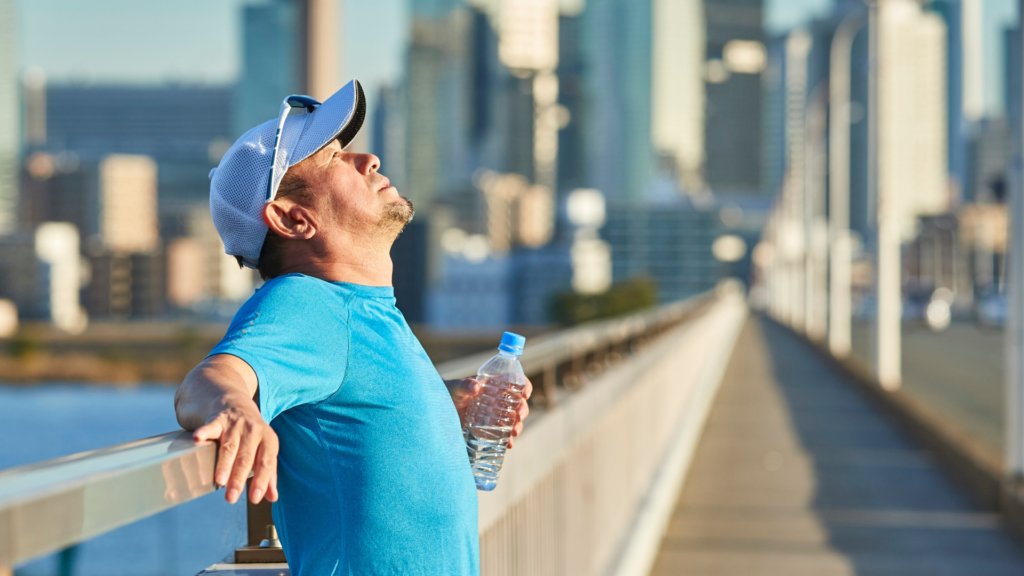
Practice while sitting or lying in a stable position. Keep each breath within a comfortable range and return to normal breathing when needed. People with medical conditions that affect breathing or circulation may need advice from a healthcare professional.
You may also want to read: An Anxiety Disorder Can Be Caused by Stress Over Time
Can Deep Breathing Worsen Anxiety?
Deep breathing can worsen discomfort when a person takes repeated oversized breaths or breathes too quickly. This may cause tingling, lightheadedness, or greater awareness of physical sensations. Some people may prefer grounding, gentle movement, or external sensory focus.
When to Stop an Exercise
Stop if you develop marked dizziness, chest pain, faintness, or worsening shortness of breath. Return to your usual breathing and sit in a safe position. Seek medical care when symptoms are severe, new, or do not settle.
Is Shortness of Breath From Anxiety?
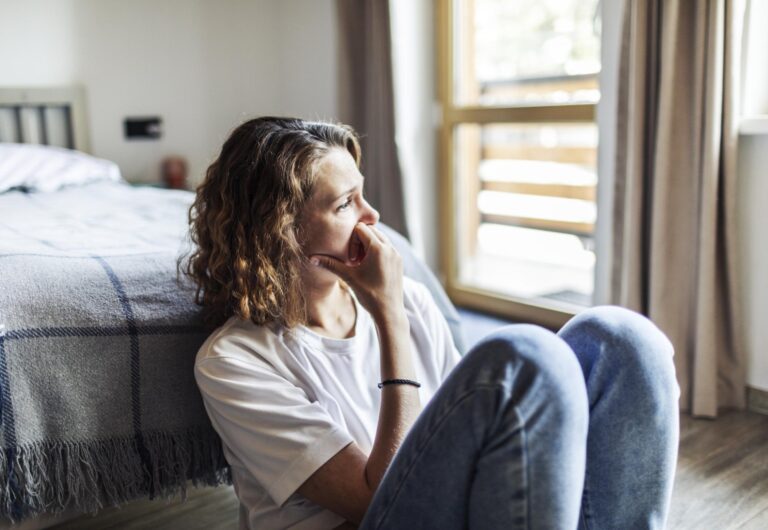
Anxiety can cause shortness of breath, chest tightness, dizziness, and a racing heart. These symptoms can also occur with heart, lung, or other medical conditions. A breathing exercise cannot confirm the cause.
Signs That May Point to Anxiety
Anxiety-related breathlessness may appear during fear, worry, or panic and improve as the episode passes. It may occur with trembling, tingling, rapid breathing, or a sense of danger. These signs provide context but do not establish a diagnosis.
Signs of a Possible Heart Problem
Shortness of breath with chest pressure, sweating, nausea, faintness, or pain spreading to the arm, jaw, neck, or back may signal a medical emergency. Heart symptoms do not always follow one pattern. Do not assume severe or unfamiliar symptoms come from anxiety.
When to Seek Medical Care
Seek urgent help for sudden breathing difficulty, chest discomfort, fainting, or blue or gray lips. Medical evaluation is also appropriate for recurring unexplained breathlessness. New symptoms should not be managed only with breathing exercises.
Building a Regular Breathing Practice
Practice once or twice a day for two to five minutes. Begin during a calm period so the steps feel familiar when anxiety rises. Consistency matters more than performing the method perfectly.
Breathing Exercises and Anxiety Treatment
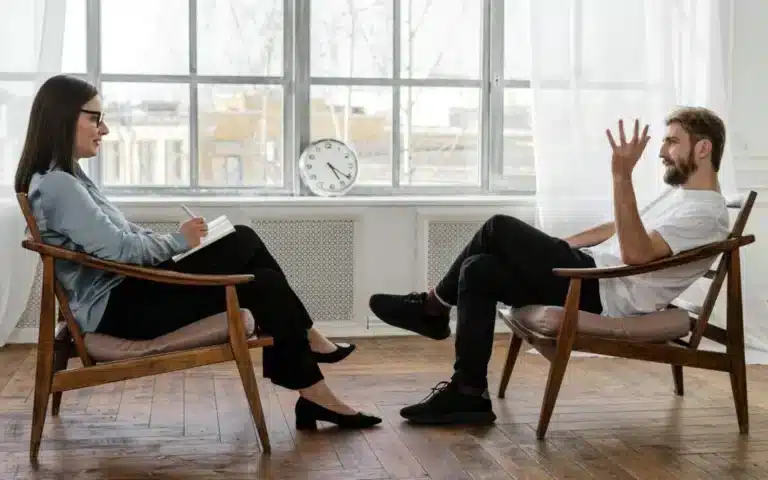
Breathing exercises are coping tools, not complete treatment plans. Anxiety may involve thoughts, relationships, past experiences, avoidance, and physical symptoms. Therapy may combine breathing with grounding, emotional awareness, cognitive methods, or psychoanalytic work.
Seek professional support when anxiety persists, disrupts sleep, causes avoidance, or affects work, school, or relationships.
Breathing exercises should not replace mental health care or medical assessment when symptoms are severe. A qualified clinician can evaluate the broader pattern and discuss suitable forms of support.