
Anat Joseph, LCSW, PsyA, is a licensed clinical social worker and psychoanalyst whose clinical background includes work with anxiety, trauma, depression, and relational concerns.
Weighted blankets can be a supportive comfort tool, but they should not replace therapy, medical care, or a full anxiety treatment plan.
Key Takeaways
- Weighted blankets may help some people feel calmer, especially when anxiety affects sleep or physical tension.
- They work through steady pressure on the body, which may support relaxation and a sense of grounding.
- Research is still limited, so weighted blankets should be viewed as a support tool, not a treatment for anxiety.
- People with breathing problems, sleep apnea, mobility limits, young children, or type 1 diabetes should consider safety before use.
- Therapy may be more appropriate when anxiety is ongoing, disruptive, or connected to deeper emotional patterns.
Do Weighted Blankets Help With Anxiety?
The question “Do weighted blankets help with anxiety?” does not have one simple answer. Some people report that weighted blankets help them feel settled, reduce anxiety at bedtime, and improve sleep quality.
Mayo Clinic notes that small clinical trials have reported better sleep and reduced stress and anxiety among some users.
Weighted blankets for anxiety may be most useful when anxiety feels physical. For example, a person may feel tense, restless, or unable to calm their body before sleep. The blanket does not remove the source of anxiety, but it may create a sense of physical steadiness.
Why Weighted Blankets May Help
Weighted blankets are heavier than regular blankets because they contain materials such as beads, pellets, or other weighted fill. Their purpose is to apply steady pressure across the body. This pressure may create a sensation similar to being held or hugged.
Deep Pressure Touch
One common explanation is deep pressure stimulation, also called deep pressure touch. This means firm, even pressure is placed on the body in a controlled way.
Geisinger describes this pressure as part of how weighted blankets may activate a calming body response.
This may help explain why weighted blankets help with anxiety. The pressure can give the body a clear physical signal to slow down. For some people, that signal may feel grounding during stress and anxiety.
Nervous System Response
Anxiety often activates the body’s stress response. The heart may beat faster, breathing may feel shallow, and muscles may tighten.
Weighted blankets may support the parasympathetic nervous system, which helps the body shift toward rest.
This does not mean the blanket treats anxiety itself. It means the blanket may support relaxation in the body. That distinction matters because anxiety often has emotional, relational, biological, and environmental causes.
You may also be interested in: What Is the 333 Rule for Anxiety and How It Helps
Benefits and Limits of Weighted Blankets
Weighted blankets’ benefits may include comfort, relaxation, better sleep routines, and a stronger sense of body awareness.
Harvard Health notes that these blankets are often marketed for insomnia, nighttime anxiety, and stress reduction, while also stating that research remains limited.
This balanced view is important. A weighted blanket may help some people, but not everyone. It should be seen as one supportive tool, not a stand-alone treatment.

Anxiety and Panic Attacks
Some people ask whether weighted blankets are good for anxiety and panic attacks. During panic, the body may feel unsafe even when there is no immediate danger.
A weighted blanket may help some people feel more grounded after panic symptoms begin to settle.
It may not be helpful for everyone during an intense panic episode. Some people may feel trapped, hot, or more aware of their breathing. Personal response matters, so comfort and safety should guide use.
Anxiety and Depression
A weighted blanket for anxiety and depression may support rest when low mood and worry affect sleep.
Depression and anxiety often overlap, and both can disrupt bedtime routines. A blanket may help create a predictable, calming cue at night.
Still, depression and anxiety often need more than comfort tools. Therapy can help people understand patterns, emotions, and stressors that affect daily life. Weighted blankets may support care, but they do not replace care.
You may also be interested in: Anxiety Grounding Techniques That Help You Refocus
Sleep and Stress Relief
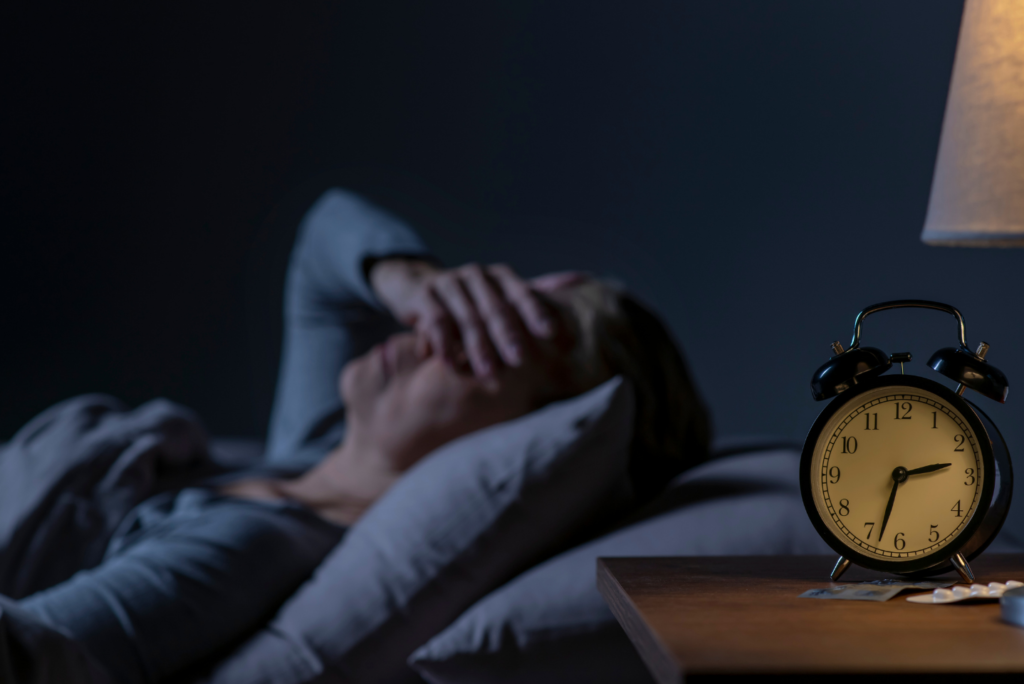
Sleep problems are one of the main reasons people try weighted blankets. Anxiety can make it hard to fall asleep, stay asleep, or wake feeling rested.
Some studies and clinical reports suggest that weighted blankets may help certain people sleep better.
A blanket may work best as part of a sleep routine. This can include a regular bedtime, reduced screen use, a quiet room, and calming breathing. The goal is to make the body feel safe enough to rest.
What Research Still Lacks
Research on weighted blankets is growing, but it is not final. Harvard Health describes the evidence as limited, which means claims should remain careful and realistic.
More research is needed to know who benefits most, how long benefits last, and which conditions respond best.
Current information supports cautious use for comfort and relaxation. It does not support strong claims that weighted blankets cure anxiety.
How to Choose Weighted Blankets for Anxiety?
When choosing a weighted blanket for anxiety, consider comfort, weight, size, material, and safety. A blanket should feel calming, not restrictive. It should also be easy to move or remove without help.
Anxiety-Weighted Blankets for Adults
Anxiety weighted blankets for adults are often used at night or during quiet rest. Adults may prefer different weights, fabrics, and temperatures. Some people like a cool cotton cover, while others prefer a softer texture.
The blanket should match the person’s comfort level. If the weight causes distress, pressure, overheating, or breathing discomfort, it is not a good fit. A calming tool should not create new anxiety.
You may also want to read: Natural Remedies for Depression, Anxiety & Stress (What to do)
How Heavy Should It Be?
Many sources suggest choosing a weighted blanket of around 10% of body weight. Cleveland Clinic and Sleep Foundation both describe this as a common guideline, while noting that comfort and safety still matter.
For example, someone who weighs 150 pounds may consider a blanket to be around 15 pounds. The blanket should not feel hard to lift or remove. A heavier blanket is not always better.
Who Should Avoid Weighted Blankets?
Weighted blankets are not right for everyone. People with certain medical concerns should speak with a health professional before using one. Safety matters more than trend or comfort.
Breathing or Sleep Disorders
People with breathing problems, asthma, COPD, or sleep apnea should be careful. Extra weight on the chest may feel uncomfortable or make breathing feel harder for some users.
People with mobility limitations should also avoid blankets that they cannot remove easily.
Young Children
Young children should not use weighted blankets unless a qualified healthcare professional says it is safe.
The risk is higher when a child cannot move the blanket away independently. Weight, size, and supervision are important safety factors.
Type 1 Diabetes
People often ask, “Can type 1 diabetics use weighted blankets?”
Some may be able to, but they should consider circulation, nerve sensitivity, temperature regulation, and the ability to move the blanket. A medical professional can give guidance based on the person’s health history.
When to Seek Therapy
A weighted blanket may help with comfort, but therapy addresses anxiety in a deeper way. Therapy can explore fears, stress patterns, relationships, trauma, and coping responses. This is especially important when anxiety affects sleep, school, work, or relationships.
Ongoing Anxiety
Ongoing anxiety may need professional support when it becomes frequent or hard to manage.
Signs may include:
- Constant worry
- Avoidance
- Irritability
- Panic symptoms
- Physical tension
A blanket may calm the body, but therapy can help identify what keeps anxiety active.
Sleep Problems
Sleep problems can become part of the anxiety cycle. A person may worry about not sleeping, then feel more alert at bedtime.
Therapy can help address the thoughts, emotions, and habits that reinforce this cycle.
Support from My Psychotherapy
My Psychotherapy provides educational information about mental health topics, including anxiety, stress, and treatment considerations.
In a clinical context, Anat Joseph’s background as a licensed clinical social worker and psychoanalyst supports a careful view of tools like weighted blankets.
They may help some people feel calmer, but persistent anxiety deserves thoughtful evaluation and appropriate care.