
Anxiety Therapy in Tribeca, NY: Complete Guide
Many people in New York City face fast-paced and high-pressure situations that increase stress. In Tribeca, therapy provides a calm, private space for you to talk, reflect, and explore coping mechanisms.
Anxiety therapy in Tribeca offers proven, evidence-based help for people who want to manage symptoms and feel better day to day.
At My Psychotherapy, Anat Joseph LCSW, PsyA – a Licensed Clinical Social Worker and certified Psychoanalyst with decades of clinical experience – offers care in her Manhattan office and through online therapy.
This guide explains the types of therapy available, what they treat, and how individuals, couples, and families get help to work through difficult experiences and create their lives with more stability.
Understanding Anxiety Therapy in Tribeca, New York
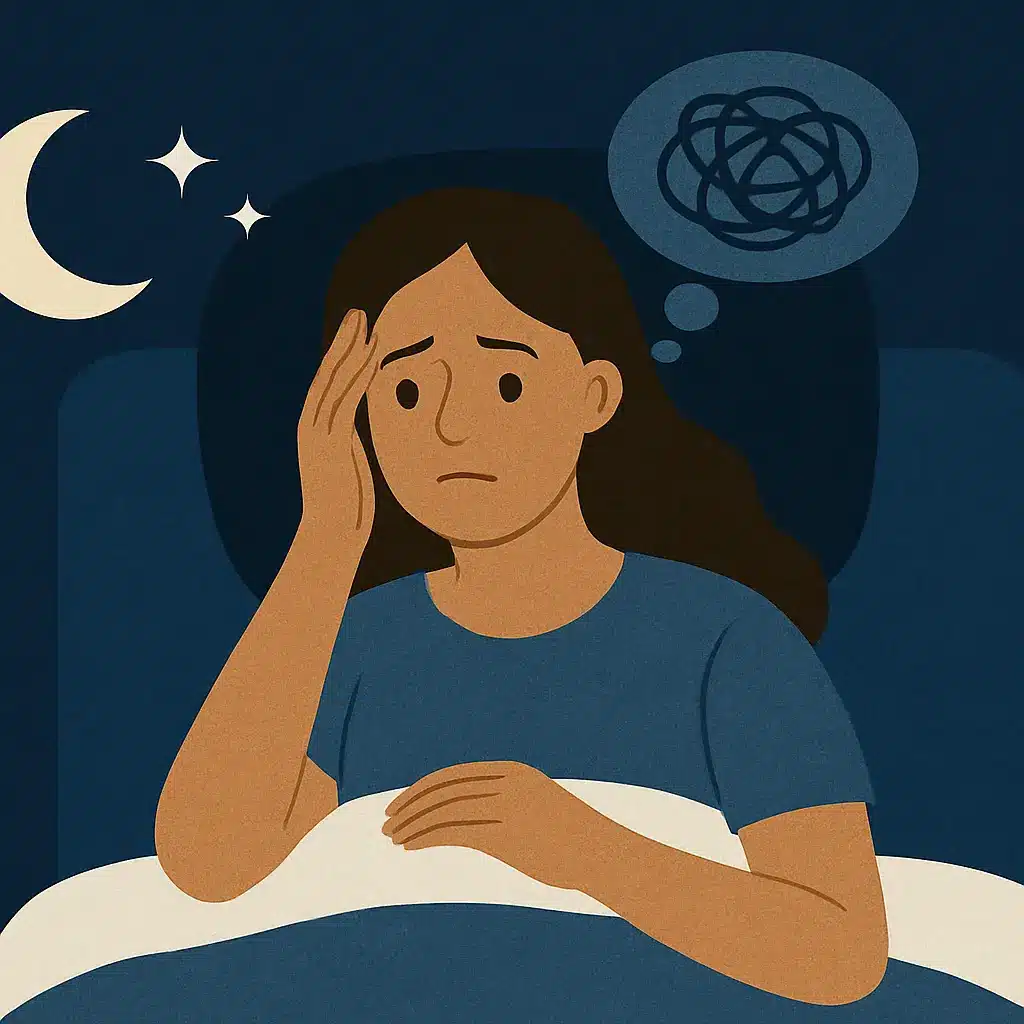
What kind of therapist is best for anxiety?
The best therapy starts with choosing a qualified mental health professional. In Tribeca, New York City, licensed clinical social workers, psychologists, and psychoanalysts often have special training to treat anxiety.
Anat Joseph combines psychoanalytic work with cognitive behavioral therapy (CBT) and the psychodynamic approach to address both symptoms and root causes.
This approach helps people work through difficult experiences and build coping skills they can use in daily life.
Cognitive behavioral therapy (CBT) is one of the most common evidence-based treatments for anxiety. It teaches you to notice unhelpful thoughts and replace them with healthier ones. This can help you feel better both now and in the long run.
Psychoanalysis and psychodynamic therapy focus more on past experiences and patterns.
These methods help people understand themselves better and make lasting changes. Using both CBT and psychoanalytic methods can address current symptoms while exploring deeper issues.
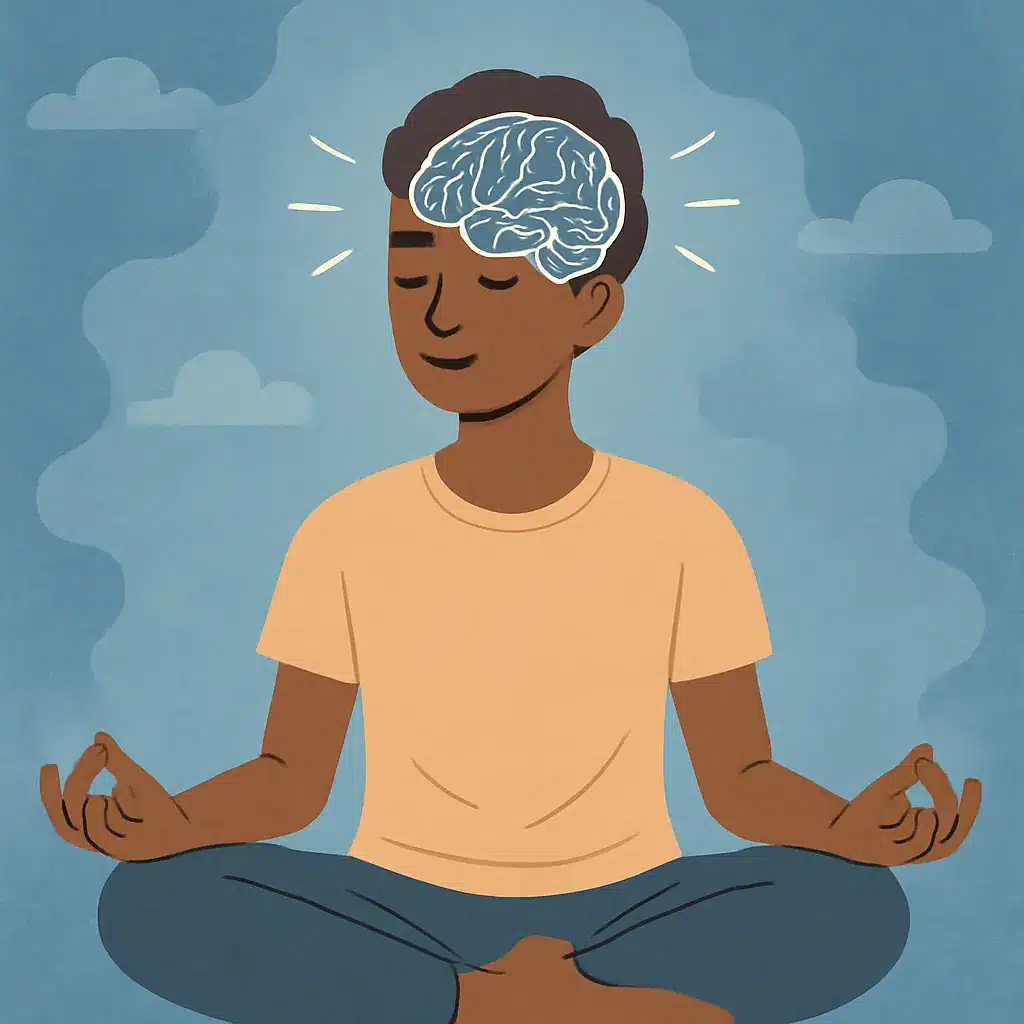
Issues treated: trauma therapy, Tribeca, and depression therapy, Tribeca
Anxiety therapy can also help with other concerns like trauma and depression. Trauma therapy in Tribeca helps people process difficult events and build emotional strength.
Depression therapy in Tribeca focuses on improving mood and energy so anxiety symptoms don’t get worse.
Treatment plans may include talk therapy, coping skills practice, and gradual exposure to stressful situations. This full approach supports mental health from different angles.

Therapy formats and audiences: in-person, online, teens, couples, and individuals
You can choose from different formats for anxiety therapy in Tribeca. In-person sessions at a Manhattan office provide a traditional, private setting. Online therapy offers more flexibility for people balancing work, school, or family life.
Therapists work with individuals, couples, and families. Teens can also get help with school stress, friendships, and managing emotions.

How Tribeca’s Environment Affects Mental Health
Living in Tribeca and New York City brings both opportunities and stress. The fast pace, high cost of living, and busy streets can increase anxiety for some people. For others, the diversity and culture can be a source of energy and connection.
Therapists in Tribeca understand these unique factors. They can help clients adjust coping strategies to fit the city’s demands, from managing crowded commutes to balancing demanding jobs. This local insight can make therapy more effective and relatable.

Cost of anxiety therapy in Tribeca
Therapy costs depend on the therapist’s training, session length, and location. In Tribeca, private practice rates often reflect years of training and decades of clinical experience, with sessions often costing at least 200 USD per session. Some people use insurance or get partial reimbursement for out-of-network sessions.
At the first consultation, therapists explain fees, payment options, and whether online or in-person therapy is covered.
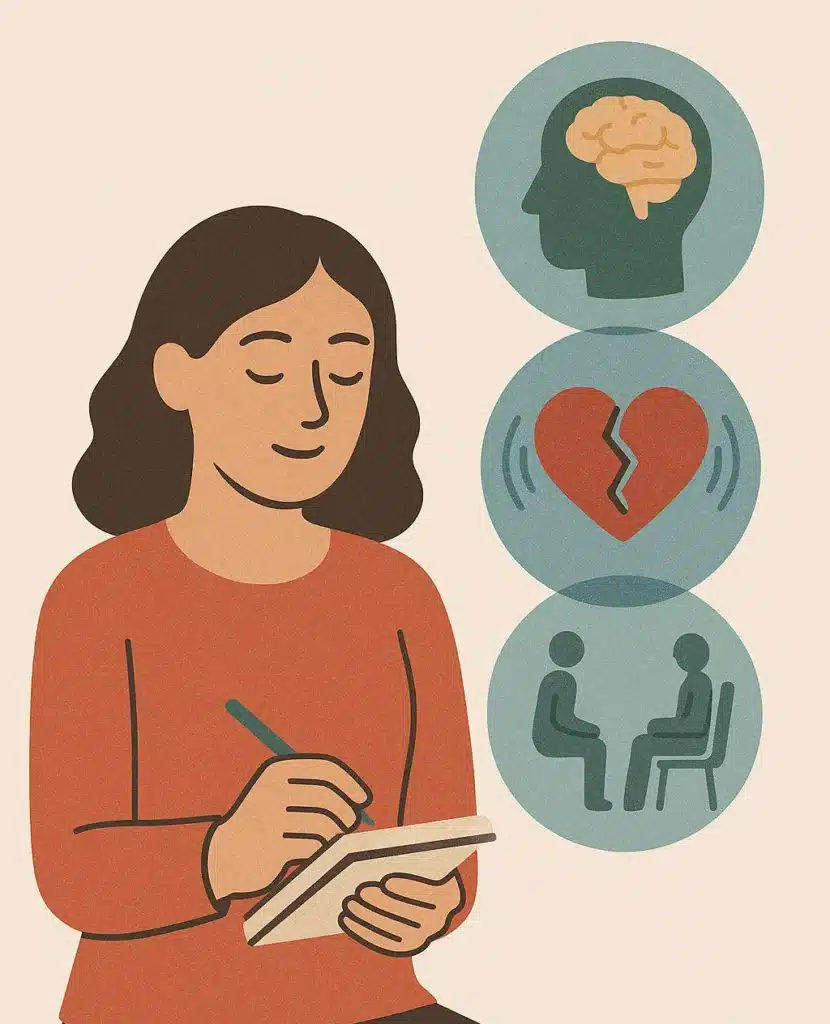
Therapy Approaches and Mental Health Support
How a Therapist Chooses the Right Approach
Not every therapy method is right for every person. A skilled therapist looks at your symptoms, personal history, and goals before recommending a plan.
For example:
- CBT may be suggested for someone who wants tools to manage panic attacks.
- Psychodynamic therapy may work better for someone who wants to explore long-term relationship patterns.
- A mix of methods may help when anxiety is linked to both current stress and past trauma.
- Anat Joseph uses her decades of clinical experience to make these choices, ensuring each client receives the most effective care for their situation.
What is the most effective therapy for anxiety?
There is no single treatment that works for everyone, but some methods are proven to help. Cognitive behavioral therapy (CBT) is widely used because it teaches practical skills for changing unhelpful thinking patterns.
Some people also benefit from psychoanalysis or psychodynamic therapy, which explore deeper causes of anxiety. Combining these methods can improve symptoms and support long-term growth.
Anxiety therapy, Tribeca psychology, and psychotherapy methods
Therapy in Tribeca may include CBT, talk therapy, or psychodynamic work. These help clients build coping skills and make lasting changes.
Other options include mindfulness, exposure therapy, and skills training. These methods can be adapted to each person’s history, personality, and goals.
Therapy for anxiety in NYC for individuals, couples, and couples therapy in person
Anxiety affects both individuals and relationships. Therapy for anxiety in NYC can help couples improve communication and solve problems caused by stress.
In-person couple therapy provides partners with tools to manage conflict, rebuild trust, and support each other. It can also help families work through challenges together.

Credentials and licenses of Tribeca therapists
In New York City, therapists must be licensed, complete ongoing training, and follow professional rules. Anat Joseph has advanced psychoanalytic training and decades of clinical experience.
When choosing a therapist, ask about licenses and special training in anxiety, trauma, or depression therapy to make sure they are qualified.
Starting Your Therapy Journey in Tribeca
What therapy do you get for anxiety?
Anxiety therapy often includes learning coping skills, exploring personal history, and setting goals for change. CBT is common because it offers clear tools for managing symptoms.
Talk therapy can help people better understand themselves and make healthier choices. Psychoeducation may also be part of therapy to explain how anxiety works and how mental health care can help.
If you experience physical symptoms such as chest tightness, dizziness, or shortness of breath, consult a physician to rule out medical causes.
Preparing for your first session can make therapy more effective. Here are a few steps:
- Write down symptoms and when they happen.
- Note major life events or changes affecting your mental health.
- Think about what you want to achieve in therapy.
- Prepare any questions you have about the process.
This helps you and your therapist set goals and track progress.
First steps and intake process
The first session is an intake, where the therapist learns about your symptoms, history, and goals. It’s also a chance for you to ask about therapy formats and schedules.
Anat Joseph uses this time to create trust so clients feel comfortable sharing openly.
What to expect in your sessions
Most people meet with their therapist once a week, though schedules can vary. Sessions may include reviewing progress, learning new coping skills, and talking about current challenges.
Over time, you may notice it’s easier to manage stress, communicate, and handle emotions in daily life.
Managing Anxiety Between Sessions
Many people want to know how to manage anxiety in daily life alongside therapy. Small, consistent actions can make a big difference.
Here are a few strategies to try between sessions:
- Practice deep breathing for a few minutes during stressful moments.
- Keep a simple journal to track your mood, triggers, and progress.
- Schedule short breaks to step outside, move, or stretch.
- Limit your news and social media if they increase your stress.
- These habits are not a replacement for therapy, but can help support the progress you make in sessions.
Taking the First Step Toward Change
For people juggling work, school, or family in New York City, anxiety therapy can be a steady support. In Tribeca, therapy offers space to slow down, reflect, and focus on well-being. Even small, steady steps in therapy can bring meaningful improvements to daily life.
Anxiety therapy in Tribeca gives people access to personalized, evidence-based care. Working with an experienced therapist like Anat Joseph LCSW, PsyA can help.
With flexible formats and decades of clinical experience, therapy supports both quick relief and long-term growth so individuals, couples, and families can create their lives with stability and purpose.
If you are ready to take the next step, consider scheduling a consultation to discuss your needs, goals, and therapy options.
Because Your Happiness Matters