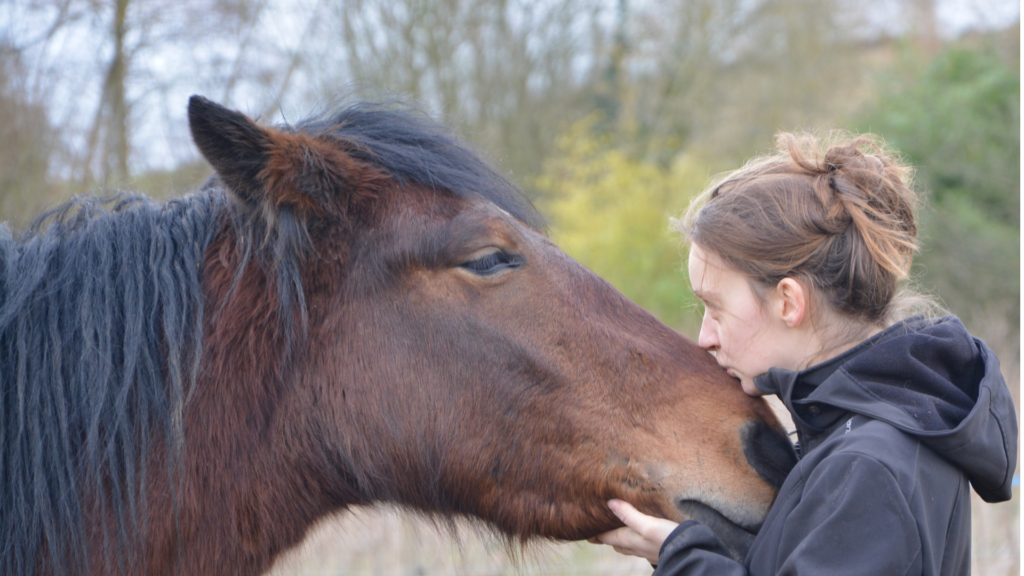
Anat Joseph, LCSW, PsyA, is a licensed clinical social worker and psychoanalyst whose clinical background helps frame this topic through a careful mental health lens.
This form of therapy may help some people, but it should be understood as a supportive approach, not a guaranteed treatment or a replacement for appropriate clinical care.
Key Takeaways
- Equine therapy for anxiety uses structured interaction with horses to support emotional awareness, grounding, trust, and reflection.
- Sessions may include grooming, leading, observing, or riding when appropriate, with a therapist helping connect the experience to anxiety patterns.
- Equine therapy may support people with anxiety, depression, PTSD, or relationship struggles, but it should not replace needed mental health treatment.
- A qualified provider should include licensed mental health credentials, trained equine specialists, clear safety practices, and defined treatment goals.
- Insurance coverage varies, so clients should ask about session costs, billing, provider credentials, and out-of-pocket fees before starting.
Can Equine Assisted Therapy Help Anxiety?
Equine-assisted therapy may help people with anxiety by giving them a calm, structured setting to notice feelings and body responses.
A horse’s size, movement, and sensitivity can make anxiety easier to observe in real time. The goal is not to “fix” anxiety quickly, but to help the person understand fear, avoidance, control, trust, and safety.
This approach can be useful when anxiety feels hard to discuss in regular talk therapy. Interacting with horses may help some people slow down, focus on the present moment, and notice how their body reacts to stress.
The therapist then helps connect those observations to daily life, relationships, and emotional patterns.
What Is Equestrian Therapy?
Many people search for what equestrian therapy is because the term can be confusing. Equestrian therapy often refers to horse-related services that may include riding, movement, adaptive support, or emotional learning.
Equine-assisted therapy is a broader term that can include ground-based work, observation, grooming, and guided reflection.
Equine Assisted Therapy vs Equestrian Therapy
Equine-assisted therapy usually focuses on emotional, behavioral, or mental health goals. Equestrian therapy may focus more on riding skills, physical coordination, or adaptive riding, depending on the provider.
The exact meaning depends on the program, the clinician, and the role of equine specialists.
Equine Assisted Psychotherapy
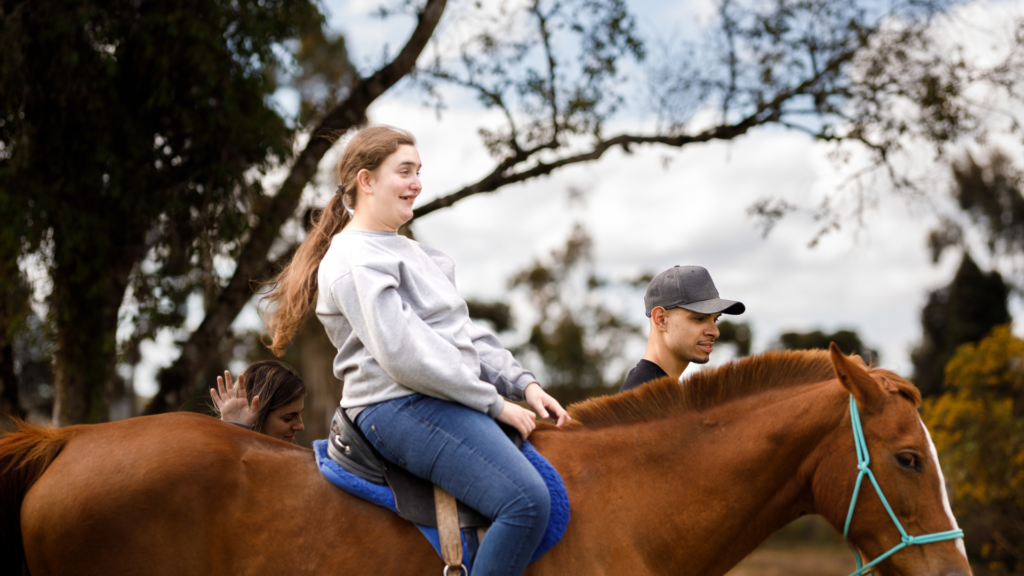
Equine-assisted psychotherapy is a clinical model that includes a licensed mental health professional. The therapist uses horse-related activities to explore emotions, relationships, avoidance, and coping patterns.
This model differs from recreational riding in that its main goal is psychological understanding and therapeutic reflection.
You may also want to read: Is PTSD an Anxiety Disorder? Symptoms and Differences
How Equine Therapy Supports Anxiety
Equine therapy may support anxiety because horses respond to body language, tone, movement, and tension.
A person may notice that their rushed movements or fear-based reactions affect how the horse responds. This feedback can help the person explore anxiety in a direct but nonverbal way.
You may also be interested in: Therapy Activities for Kids With Anxiety
Emotional Regulation and Grounding
Emotional regulation means noticing feelings and learning how to respond without becoming overwhelmed.
Horses can help with grounding because they require attention to breathing, posture, pace, and safety. These simple actions may support a clearer connection between the body and emotions.
Trust, Connection, and Awareness
Working with a horse often requires patience and steady communication. This process builds trust because the person learns that connection grows through calm actions rather than force.
For people with anxiety, this can create a useful example of how safety and connection develop over time.
How Horses Communicate Emotion and Apology
People may also ask, “How do horses say sorry?” Horses do not apologize in human language, but they may show softer behavior through a lowered posture, a calm approach, licking, chewing, or gentle re-engagement after periods of tension.
In therapy, this can open discussion about repair, miscommunication, and how relationships recover after stress.
Equine Therapy for Anxiety and Depression
Equine therapy for anxiety and depression may be considered when emotional distress includes worry, low mood, withdrawal, or loss of motivation.
The horse-centered setting may help people engage when traditional conversation feels difficult. It can also create structure, movement, and relational contact, which may support emotional awareness.
Shared Symptoms and Patterns
Anxiety and depression can both affect sleep, focus, motivation, and relationships. A person may avoid tasks because of fear, low energy, or both.
Equine work can help identify these patterns by showing how hesitation, tension, or withdrawal appears during a task.
You may also be interested in: What Is Individual Psychotherapy and How Does It Work
What Happens During Sessions?
A session may include meeting a horse, observing behavior, grooming, leading, feeding, or completing guided activities.
The therapist may ask the person to notice feelings, thoughts, body tension, and reactions during the task. The purpose is to connect the experience with anxiety, relationships, control, boundaries, and coping.
Ground-Based Activities
Many sessions do not involve riding. Ground-based activities may include brushing a horse, leading it through a simple path, or noticing how it responds to space and movement.
These tasks can help the person practice calm communication, patience, and attention.
Horse Riding Therapy for Anxiety
Horse riding therapy for anxiety may be included in some programs, but it is not always needed. Riding may support confidence and body awareness when it is clinically appropriate and physically safe.
Some people may benefit more from ground-based work, especially if riding increases fear or distracts from emotional reflection.
PTSD Equine Therapy
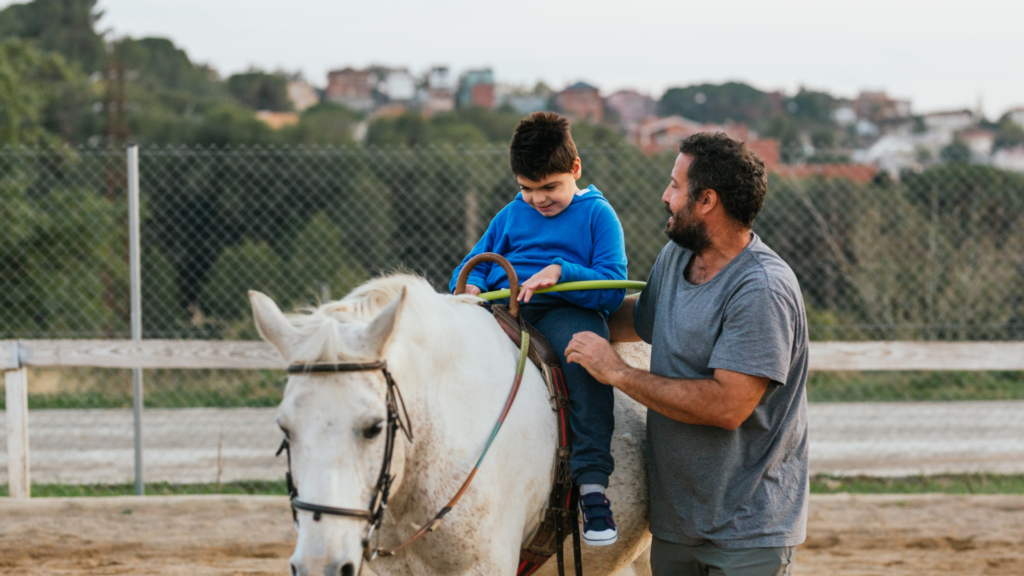
PTSD equine therapy may focus on safety, body awareness, trust, and trauma responses. People searching for ptsd and horse therapy often want to know whether horses can help with fear, hypervigilance, avoidance, or emotional numbness.
This work must be guided carefully because trauma symptoms can become intense.
Trauma Responses and Safety
A trauma-informed provider should move slowly and avoid forcing contact with the horse. The person should have choice, consent, and clear boundaries during each activity. Safety includes emotional safety, physical safety, and respect for the person’s pace.
What the Research Shows
Research on equine-assisted therapy is promising but remains limited. Some studies suggest potential benefits for anxiety, PTSD symptoms, mood, and emotional regulation.
More large, controlled studies are needed before strong claims can be made.
Who May Benefit From Equine Therapy?
Equine therapy may fit people who respond well to experiential learning. It may also help people who feel stuck in verbal therapy or need a concrete way to explore emotions.
Fit depends on symptoms, goals, safety, access, and the provider’s quality.
- Children and Teens
- Adults With Anxiety
- People With Relationship Struggles
When Equine Therapy May Not Fit
Equine therapy is not the right fit for every person. Some people may feel too afraid, allergic, or physically unsafe around horses.
Others may need more direct clinical care before adding an experiential approach.
Fear, Allergies, and Safety Needs
A fear of horses does not always rule out equine therapy, but it must be handled with care. Allergies, mobility concerns, and medical risks should be discussed before starting.
A safe program should clearly explain risks, supervision, and emergency procedures.
How to Choose a Provider
Choosing a provider matters because equine therapy combines mental health care and horse handling.
The provider should explain who leads the session, what training they have, and how safety is managed. Clear roles protect the client, the therapist, and the horse.
- Mental Health Credentials
- Equine Training
- Treatment Goals
- Cost, Insurance, and Access
Is Equine Therapy Covered by Insurance?
Insurance coverage depends on the provider, diagnosis, plan, and billing structure. Some plans may cover psychotherapy when provided by a licensed clinician, while horse-related fees may not be covered.
Clients should ask about billing codes, out-of-pocket costs, and documentation before starting.
Equine Assisted Therapy Near Me
People searching for equine-assisted therapy near me should look beyond distance alone. A close provider may not be the right fit if they lack mental health credentials or clear safety practices.
The best choice is a program that explains qualifications, session structure, risk policies, and treatment goals.
Equine Therapy and Talk Therapy
Equine therapy and talk therapy can work together when they support the same clinical goals.
A person may explore anxiety patterns during horse-assisted work and then process those patterns in regular therapy. This can create a link between lived experience and verbal understanding.
How They Can Work Together
Talk therapy can help name emotions, understand history, and connect patterns over time. Equine therapy can make some of those patterns visible through action, body language, and relationship with the horse.
Together, they may support deeper reflection when guided by qualified professionals.
When Traditional Therapy Comes First
Traditional therapy may come first when symptoms need steady assessment, emotional containment, or crisis support.
It may also be better when a person has strong fears, safety risks, or medical needs. Equine therapy should fit the care plan, not replace the foundation of clinical treatment when that foundation is needed.
Final Thoughts on Equine Therapy
Equine therapy may help some people understand anxiety, trauma, trust, and emotional regulation through structured interaction with horses.
The strongest approach uses qualified clinicians, trained equine specialists, clear goals, and careful attention to safety. It is best understood as a supportive form of therapy within a broader, responsible mental health care plan.