Key Takeaways
- Appearance anxiety means ongoing distress about how your face, body, or specific features may be seen or judged by others.
- Anxiety about how you look may stem from social comparison, fear of negative evaluation, past criticism, body shame, or low self-worth.
- Common signs include mirror checking, avoiding mirrors, asking for reassurance, comparing yourself to others, avoiding photos, or withdrawing from social plans.
- Appearance concerns may relate to body dysmorphic disorder when they become intense, repetitive, and disruptive to daily life.
- Therapy can help a person understand appearance fears, reduce checking and avoidance, and build a healthier relationship with being seen.
What Anxiety about How You Look Means
Appearance Anxiety and Body Image
It can affect how a person enters a room, takes photos, attends school, dates, works, or speaks in groups. The concern may focus on weight, skin, hair, facial features, body shape, or a feature that others may not notice.
Body image is the way a person thinks, feels, and behaves in relation to their body. A negative body image may include harsh self-criticism, shame, or a belief that appearance determines worth.
Normal Insecurity vs Ongoing Distress
When you dislike a photo, worry before an event, or feel uncomfortable during life changes. These moments can be painful, but they often pass without controlling daily life. Ongoing distress is different because it may lead to repeated checking, reassurance seeking, avoidance, or long periods of rumination.
Having anxiety about how you look can also make a person overestimate how much others notice them. A brief glance from someone else may feel like criticism. This fear can grow stronger when the person avoids social interactions, because avoidance prevents them from testing whether their fear is accurate.
What This Anxiety Is Called
There is no single label for every form of appearance-related anxiety. Some people use the term appearance anxiety, while researchers may use social appearance anxiety to describe fear of negative evaluation based on physical appearance. The Social Appearance Anxiety Scale has been studied as a way to measure this pattern, with research discussing factors such as internal consistency and links to social anxiety.
When the concern becomes intense, repetitive, and disruptive, clinicians may consider body dysmorphic disorder. HelpGuide describes BDD as a condition in which a person becomes preoccupied with perceived flaws that others may see as minor or may not notice. A careful clinical evaluation helps distinguish ordinary insecurity from a pattern that needs focused care.
Appearance Anxiety Causes
Social Comparison and Media Pressure
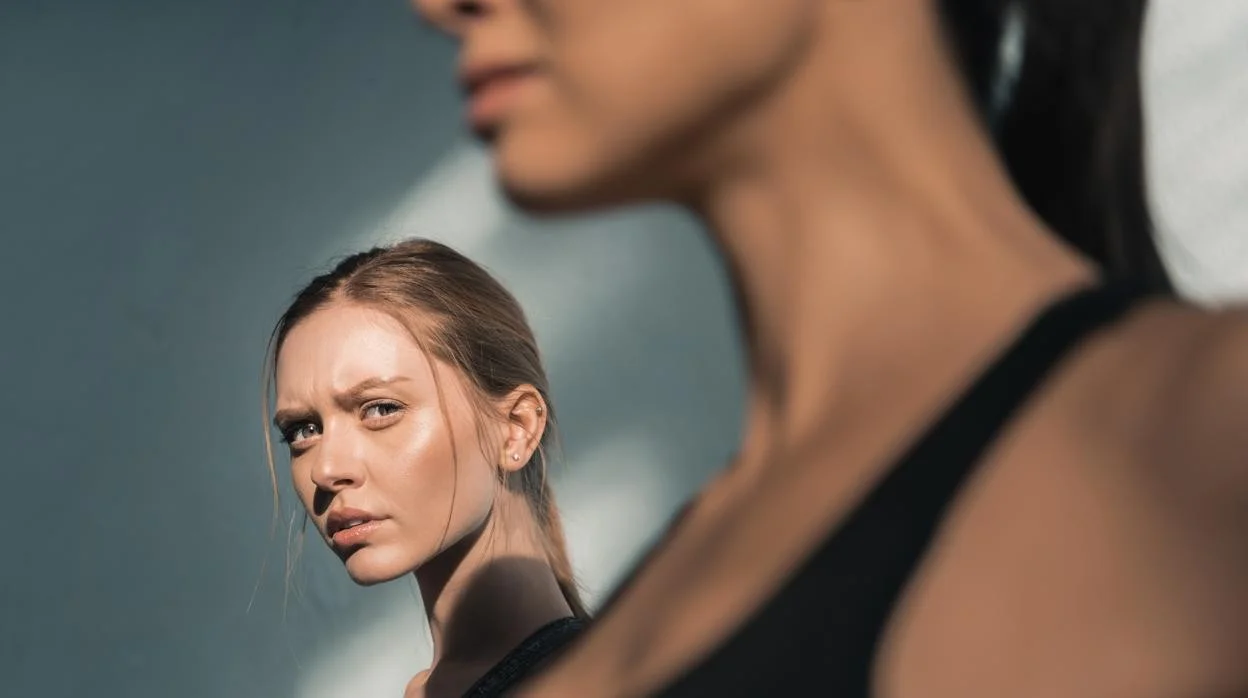
Social comparison can increase appearance anxiety because it invites constant ranking. A person may compare their face, body, skin, clothing, age, or fitness to images that appear polished or edited. Even when a person knows that media images are selective, the emotional effect can still feel strong.
Self-Worth and Body Shame
Appearance anxiety becomes more painful when a person ties self-worth to looking acceptable. A small skin change, weight fluctuation, or comment may feel like evidence of failure. The person may then try to control appearance in ways that bring short relief but increase long-term fear.
Body shame can also make people hide from daily life. They may avoid eye contact, wear certain clothes to cover perceived flaws, or cancel plans. The goal is often protection, but the result may be isolation and more attention on the feared feature.
Body Dysmorphia Causes
Body dysmorphia causes can include temperament, family messages, teasing, bullying, trauma, perfectionism, and cultural pressure. Personality traits such as high self-criticism or fear of mistakes may also shape how a person responds to perceived flaws. No single cause explains every case, so clinicians usually look at the person’s history, relationships, symptoms, and current stress.
Common Symptoms and Behaviors
Fear of Negative Evaluation
Fear of negative evaluation means fear that others will judge, reject, or criticize you. For a person with appearance anxiety, this fear often centers on visible features. Social situations may feel risky because the person expects negative evaluations before anything happens.
This pattern can create a loop. The person scans for signs of judgment, feels more anxious, and then reads neutral reactions as proof that something is wrong. Over time, the mind may treat appearance as a safety issue, even when there is no clear threat.
Mirror Checking or Avoidance
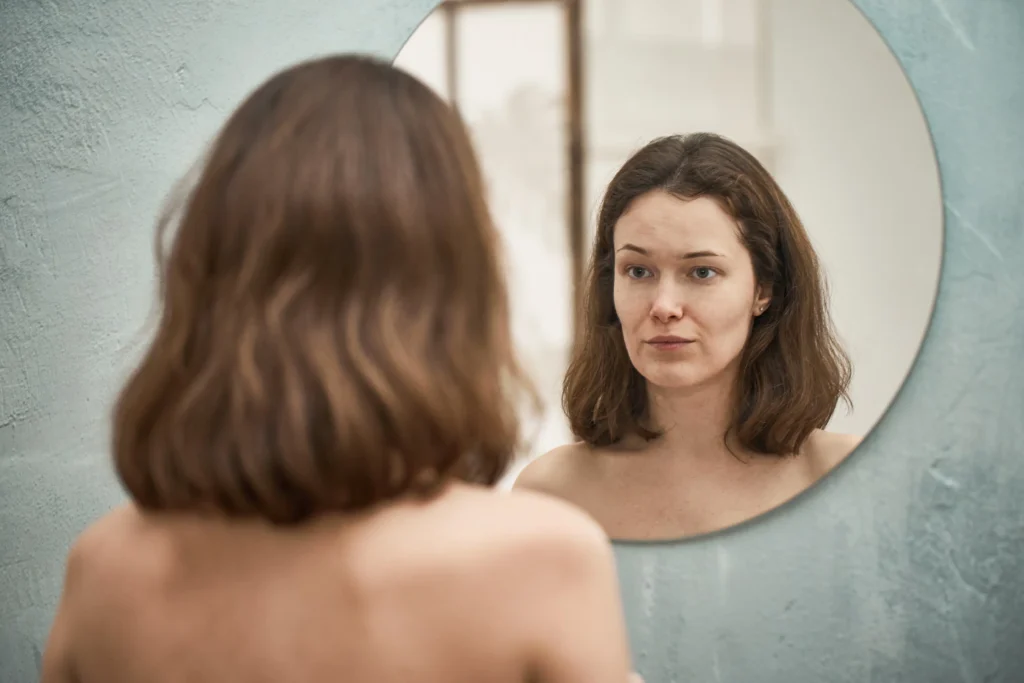
Mirror checking is a common behavior in appearance anxiety. A person may check the same feature many times, compare angles, inspect skin, or look for proof that something has changed. The checking may feel necessary, but it usually gives only brief relief.
Some people move in the opposite direction and avoid mirrors. They may avoid bright light, cameras, reflective surfaces, or video calls. Both checking and avoidance can keep the fear active because the person remains focused on managing distress rather than understanding it.
Reassurance Seeking and Comparison
Reassurance seeking can look like asking, “Do I look okay?” or “Can you see what I see?” The answer may calm the person for a short time, but doubt often returns. This cycle can strain relationships because loved ones may not know how to respond.
Comparison works in a similar way. A person may compare their body to friends, classmates, coworkers, celebrities, or strangers online. The comparison may seem automatic, but it often strengthens negative body image and keeps attention fixed on perceived flaws.
Avoiding Photos or Social Plans
Appearance anxiety often affects social behavior. A person may avoid photos, parties, school events, dating, meetings, or family gatherings. They may arrive late, leave early, or spend a long time preparing because they fear being seen.
Avoidance can reduce anxiety in the moment, but it can also shrink daily life. The person may miss connection, learning, work chances, or ordinary pleasure. This is one reason therapy often explores both the fear and the protective behaviors that keep the fear in place.
Body Dysmorphic Disorder and Bigorexia
Body Dysmorphic Disorder (BDD)
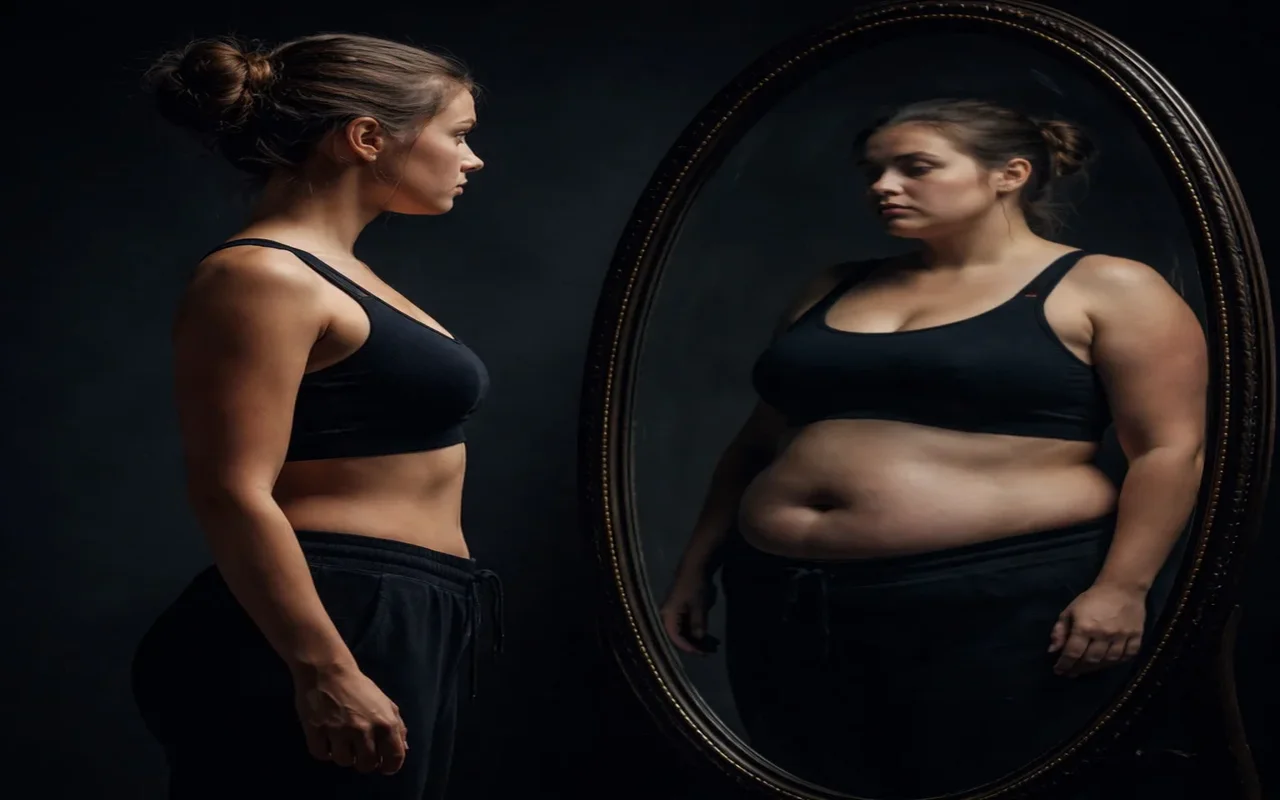
Body dysmorphic disorder involves intense concern with perceived appearance flaws. The concern is not simply vanity or low confidence. It can take hours of mental space each day and may affect relationships, school, work, and social functioning.
The person may feel convinced that the perceived flaw is obvious, even when others do not see it the same way. This difference between inner experience and outside feedback can be very distressing.
When Appearance Concerns Disrupt Life
Appearance concerns become more serious when they limit daily functioning. A person may avoid classrooms, workplaces, public transportation, meals, or close relationships. They may spend significant time checking, researching, editing photos, or seeking reassurance.
Disruption can also appear as emotional exhaustion. The person may feel trapped between wanting relief and fearing exposure. In clinical care, the focus is not to argue about appearance, but to understand the fear, meaning, and behavior pattern.
What Bigorexia Means
Bigorexia is often used to describe muscle dysmorphia. It involves a distressing belief that the body is too small, weak, or not muscular enough, even when others may not see it that way. It can affect exercise, eating, social life, and self-worth.
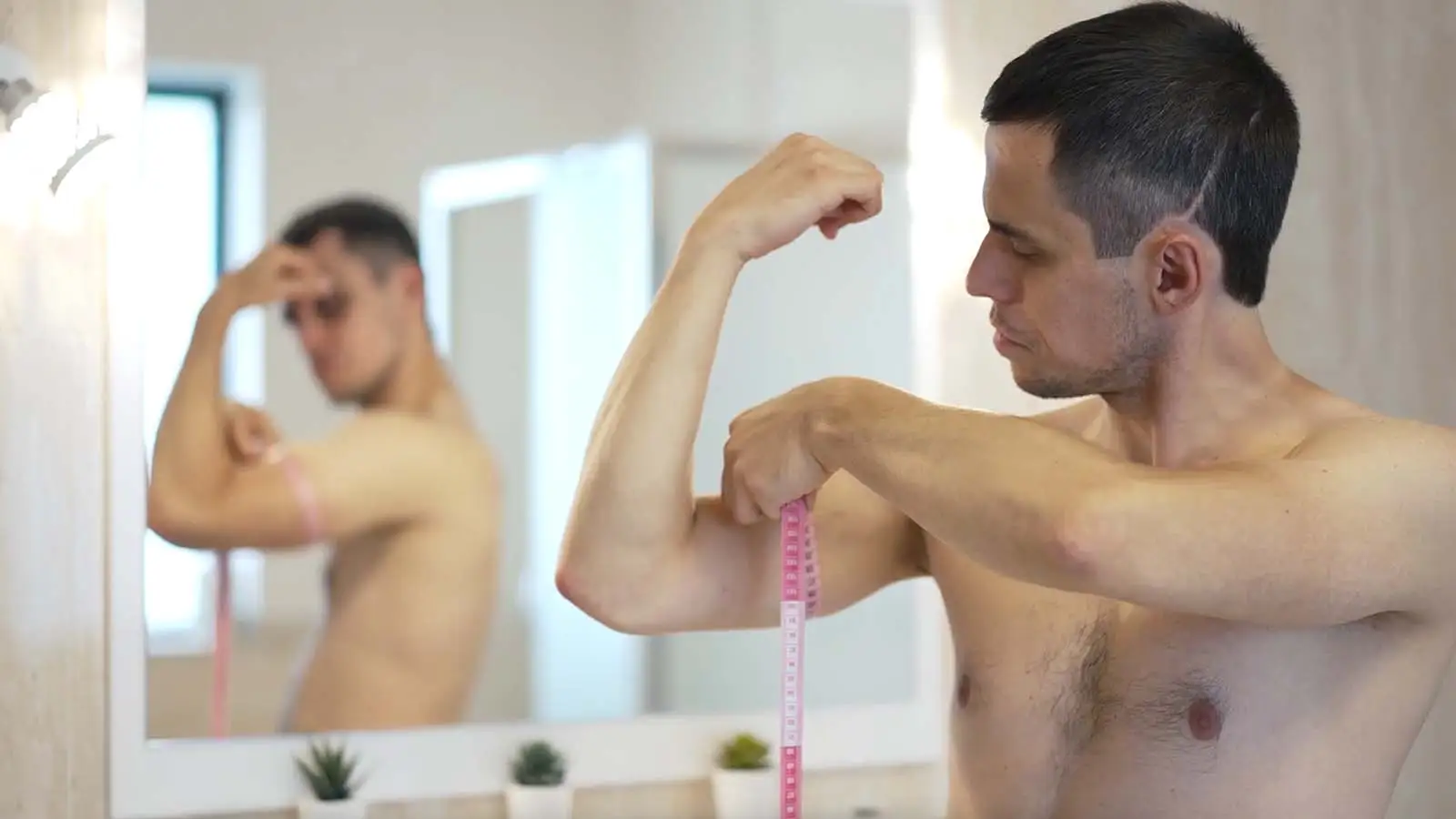
This pattern can overlap with body dysmorphic disorder and eating disorders. Some people may follow rigid food rules, exercise despite injury, or avoid situations where their body may be seen. Careful assessment can help separate health-focused habits from distress-driven behavior.
Related Mental Health Concerns
Social Anxiety and Appearance Fears
Appearance anxiety and social anxiety often overlap. Social anxiety disorder involves fear of social judgment, embarrassment, or rejection. When the feared judgment centers on appearance, social situations can feel especially intense.
A large cross-sectional study found a positive relationship between appearance anxiety and social anxiety, with self-compassion playing a mediating role. This does not mean every person with appearance anxiety has social anxiety disorder. It means the link between anxiety and social evaluation deserves careful attention.
Anxiety, Depression, and Body Image
Appearance anxiety can affect mood. When a person feels unable to participate in normal life, sadness, shame, and hopelessness may grow. Negative body image can also make the person withdraw from support at the time they most need connection.
The reverse can also happen, and some short-term anxiety patterns, such as hangover anxiety, may make body sensations and self-focus feel more intense. Depression or anxiety may increase harsh self-focus and make the body feel like the main problem. This is why therapy often explores emotion, relationships, social situations, and self-esteem together.
How to Deal with Appearance Anxiety
How to Stop Worrying about Looks
A helpful first step is to notice when appearance worry begins and what it asks you to do next. You might feel the urge to check a mirror, change clothes several times, cancel plans, or ask someone for reassurance. Naming the pattern can reduce confusion and help you respond with more control.
You can also shift attention from appearance to the task in front of you. Before a meeting, class, date, or social event, focus on what you want to say, do, or experience. This does not remove anxiety immediately, but it helps the appearance become one part of the moment instead of the center of it.
Reducing Checking and Reassurance
Checking and reassurance can feel helpful because they lower anxiety for a short time. The problem is that the doubt often returns, and the person may feel driven to check again. Over time, this cycle can make appearance anxiety stronger.
A practical step is to reduce these behaviors slowly. You might delay mirror checking, limit photo reviewing, or attend a short social event without asking if you look okay. These small changes help the mind learn that anxiety can pass without constant checking.
Calming Appearance-Based Thoughts
Appearance-based thoughts often sound urgent and absolute. They may say, “Everyone will notice,” “I look wrong,” or “I cannot go unless I fix this.” These thoughts can feel convincing because anxiety makes them feel immediate.
A calmer response is to ask for context. What evidence supports the thought? What else could be true? This approach does not force positive thinking, but it helps create distance from the fear.
How to Overcome Anxiety about How You Look
Self-Compassion and Body Neutrality
Long-term change often starts with changing the relationship you have with yourself. Self-compassion means responding to distress without attacking yourself. It does not mean you must like every part of your appearance.
Body neutrality can also support this process. Instead of trying to feel attractive all the time, you can practice seeing your body as part of daily life. This can shift attention toward movement, rest, connection, learning, and care.
Rebuilding Confidence in Social Situations
Confidence usually grows through repeated participation in life, not through waiting until anxiety disappears. A person may begin with small steps, such as joining a short conversation, taking one unedited photo, or attending an event for a limited time. These steps help rebuild trust in daily functioning.
The goal is to learn that being seen does not have to mean being judged. Anxiety may still rise, but it does not have to make every choice. Over time, this can help reduce avoidance and make social life feel less controlled by appearance worries.
Body Dysmorphia Treatment Options
Treatment planning depends on the person’s symptoms, age, history, level of distress, and the type of support needed, including supportive psychotherapy when emotional stability and daily functioning are central concerns.
Psychoanalytic Therapy
Psychoanalytic therapy may focus on how appearance concerns connect with identity, relationships, shame, and fear of being judged. This approach can help a person understand why certain appearance worries feel so powerful or difficult to let go of.
Cognitive Behavioral Therapy
Cognitive behavioral therapy may help a person identify appearance-based thoughts, reduce avoidance, and respond differently to checking or reassurance seeking. This approach often looks at the connection between thoughts, emotions, and behaviors.
For example, a person may learn to question the belief that everyone is judging them and practice staying in social situations without relying on repeated checking.
Therapy for Social Avoidance
Some people need support because appearance anxiety has limited their social life, school, work, or relationships. Therapy can help the person understand what they avoid and why those situations feel unsafe.
Over time, the work may focus on building tolerance for being seen, speaking with others, and participating in daily life without letting appearance fears decide every choice.
Family Support for Children and Teens
Children and teens may need a different type of support because appearance anxiety can show up as irritability, school avoidance, repeated reassurance questions, or refusal to be photographed.
Therapy may include guidance for parents or caregivers so they can respond calmly without feeding the reassurance cycle. The goal is to support the child’s emotional safety while helping them stay connected to school, peers, and family life.
When to Seek Professional Help
Professional support may be appropriate when appearance concerns take significant time, cause distress, or interfere with daily life, and understanding the average cost of psychotherapy may help a person plan care more clearly. Support is also important when worries affect eating, school, work, relationships, or safety.
A licensed mental health professional can assess whether symptoms relate to appearance anxiety, body dysmorphic disorder, social anxiety disorder, depression, or another concern.
If appearance worries are taking up too much space in daily life, therapy can offer a place to understand the fear with care and clarity. To explore support for appearance anxiety, contact My Psychotherapy and learn whether working with a licensed therapist may be an appropriate next step.
Because Your Happiness Matters