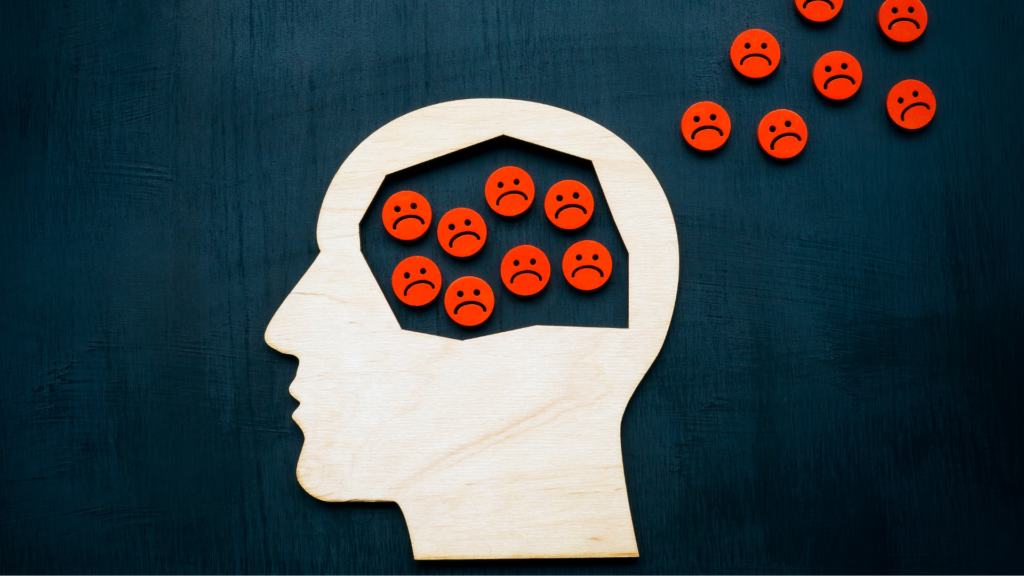
The clearest way to understand how to know if I have anxiety is to look for patterns that repeat and start to affect daily life. Anxiety often shows up as persistent, hard-to-control worry along with physical symptoms such as a fast heart rate, muscle tension, fatigue, or trouble sleeping.
You may also notice irritability, difficulty focusing, or avoiding situations because they feel overwhelming. These signs matter most when they are frequent, last for weeks or months, and feel stronger than the situation requires.
A licensed clinician, such as Anat Joseph, can help place these experiences in a clinical context, but many people first recognize the issue by noticing repeated changes in thoughts, bodily sensations, and behavior.
This article explains common signs, what anxiety can feel like, its causes, when to seek help, and what treatment may involve.
Key Takeaways
- Anxiety is persistent worry, fear, or physical distress that starts to affect daily life.
- Common signs include ongoing worry, trouble relaxing, sleep changes, physical tension, and avoidance.
- Anxiety and depression can overlap, so a clinical evaluation may be needed for clarity.
- Anxiety can show up as emotional, physical, and behavioral symptoms.
- Treatment may include Cognitive Behavioral Therapy, psychoanalysis, or a psychodynamic approach.
How Can I Confirm I Have Anxiety
One way to identify anxiety is to look for a small group of common signs that repeat over time. Five common warning signs are ongoing worry, trouble relaxing, changes in sleep or concentration, physical tension such as a faster heart rate, and avoidance of certain tasks or social situations.
These patterns may show up together or one at a time. They matter more when they happen often and are hard to control.
Many people also feel anxious in a way that seems stronger than the situation calls for. A routine email, short
You may also be interested in: An Anxiety Disorder Can Be Caused by Stress Over Time
Normal Stress vs. Anxiety
Stress is a normal response to pressure, change, or uncertainty. It often rises around a deadline, a conflict, a health concern, or a major decision, then eases as the situation improves.
Anxiety is different when the worry stays active even after the immediate stress has passed. It can also feel larger, more constant, and harder to turn off.
This distinction helps answer questions such as how to know if u have an anxiety disorder. Normal stress usually has a clear trigger and a limited time frame. Anxiety may continue in the background, return often, or spread into many areas of life.

When Anxiety Affects Daily Life
A strong clue is whether symptoms interfere with routines, choices, or relationships. Anxiety can affect school, work, sleep, eating habits, driving, travel, and communication with other people. Some people stop doing things they value because they expect discomfort, embarrassment, or panic. At that point, the issue is not only internal distress but also reduced functioning.
You may also want to read: How Many People Are Affected By Anxiety?
How to Know if I Have Anxiety or Depression
Anxiety and depression can overlap, and some people have both at the same time. Anxiety often centers on fear, tension, worry, restlessness, and physical activation. Depression more often includes low mood, loss of interest, hopelessness, low energy, or feeling emotionally flat. The overlap can include sleep changes, poor concentration, and irritability.
This is why self-assessment has limits. A person may search how to know if i have anxiety and still find that the picture is mixed.
Consider Scheduling an Appointment , a clear evaluation from mental health professionals such as Anat Joseph can help sort out whether symptoms fit anxiety, depression, both, or another group of mental health conditions. Accurate understanding matters because treatment planning depends on the full picture.
Anxiety Symptoms and What They Feel Like
Emotional Symptoms of Anxiety
Many anxiety symptoms begin in the mind and emotions. A person may feel constant worry, dread, nervousness, irritability, or a sense that danger is near, even when nothing obvious is wrong. Thoughts may move quickly and return to the same feared outcome again and again. This is one answer to the question, what does anxiety feel like.
The emotional symptoms of anxiety can also include shame, fear of judgment, and difficulty settling after a stressful interaction. Some people expect the worst in ordinary situations and find it hard to feel reassured. Others stay alert all day, as if they are waiting for something bad to happen. Over time, this level of mental strain can be exhausting.
Physical Anxiety Symptoms
Anxiety is not only emotional. It can affect breathing, digestion, muscle tension, sweating, dizziness, and energy levels. A person may notice chest tightness, shaky hands, nausea, headaches, or a rising heart rate during moments of distress. These symptoms are real physical experiences, even when anxiety is the main driver.
You may also want to read: Online Therapy for Anxiety
Behavioral Signs and Avoidance
Behavior can change when anxiety grows stronger. A person may cancel plans, delay phone calls, avoid unfamiliar places, or stop speaking up in meetings and social situations. Some people overprepare, seek repeated reassurance, or stay close to routines because unpredictability feels threatening. These reactions are common, but they can narrow a person’s life.
Symptoms of an Anxiety Attack
Some people experience sudden surges of fear, often described as anxiety attacks and symptoms, though clinically these may resemble panic episodes.
Symptoms of an anxiety attack can include a racing pulse, chest discomfort, shaking, sweating, shortness of breath, dizziness, and a strong fear of losing control.
These episodes can feel intense and alarming. They may last minutes, but the fear of having another episode can linger much longer.
What Causes Anxiety
Stress, Trauma, and Life Events
When people ask what causes anxiety, the answer is usually not one single factor. Anxiety can develop after chronic stress, major life changes, loss, family conflict, work strain, or traumatic events.
Some people can identify a clear starting point. Others notice that anxiety builds slowly over time.
Stress does not affect everyone in the same way. Two people can go through similar events and respond differently based on history, coping style, support, and prior vulnerability.
This is why a personal history matters in assessment. Understanding context helps make symptoms more understandable and less random.
Medical and Personal Factors
Anxiety may also be shaped by temperament, family patterns, sleep problems, health issues, and other personal factors. At times, medical concerns or substance use can increase feelings of fear, agitation, or bodily discomfort. This is one reason diagnosis should be thoughtful and not based only on internet descriptions. A full view helps separate anxiety from other possible causes.
How to Get Diagnosed With Anxiety
When to Seek Professional Help
It is reasonable to seek help when worry feels hard to control, symptoms keep returning, or anxiety begins to affect work, relationships, sleep, or daily responsibilities. Help is also important when physical fear responses happen often or when a person starts avoiding large parts of life. Early support can reduce confusion and improve understanding. It can also help prevent patterns from becoming more entrenched.
How Anxiety Treatment Can Help
- Cognitive Behavioral Therapy
Cognitive Behavioral Therapy helps people notice links between thoughts, feelings, body responses, and behavior.
- Psychoanalysis
Psychoanalysis explores deeper emotional patterns, conflicts, and relational themes that may shape anxiety over time.
- Psychodynamic Approach
The psychodynamic approach also examines unconscious patterns, relationships, and internal conflicts, but it is often used in a more flexible format.
Final Thoughts
Understanding anxiety starts with noticing persistent patterns in thoughts, body sensations, and behavior. If fear, tension, avoidance, or physical distress begin to interfere with daily life, it may be time for a more careful evaluation.
Clear assessment from qualified clinicians can help distinguish ordinary stress from anxiety and guide the next step with accuracy and care