
Anxiety in pregnancy can range from common worry to a more serious mental health condition that affects sleep, focus, and daily functioning. How to deal with anxiety during pregnancy depends on the level of anxiety, the symptoms involved, and whether the distress is brief or persistent.
Anat Joseph, LCSW, PsyA, is a licensed clinical professional who emphasizes careful assessment when anxiety begins to interfere with work, relationships, or basic routines. This article explains prenatal anxiety, common risk factors, safe support options, and when professional care may be needed.
Key Takeaways
- Anxiety in pregnancy may include constant worry, panic attacks, and sleep problems, and may need professional help if it interferes with your daily life.
- Prenatal anxiety can result from hormonal changes, stress, or past trauma.
- Treatment options for anxiety include self-care, cognitive behavioral therapy (CBT), and medication.
- Severe anxiety during pregnancy can be linked to preterm birth and low birth weight.
- Support from health care providers and family members is essential for managing symptoms.
How Can I Control Anxiety While Pregnant?
To manage anxiety while pregnant, try to reduce stress, keep routines simple, and identify triggers, like poor sleep or too much caffeine. Naming your feelings can help lessen their power.
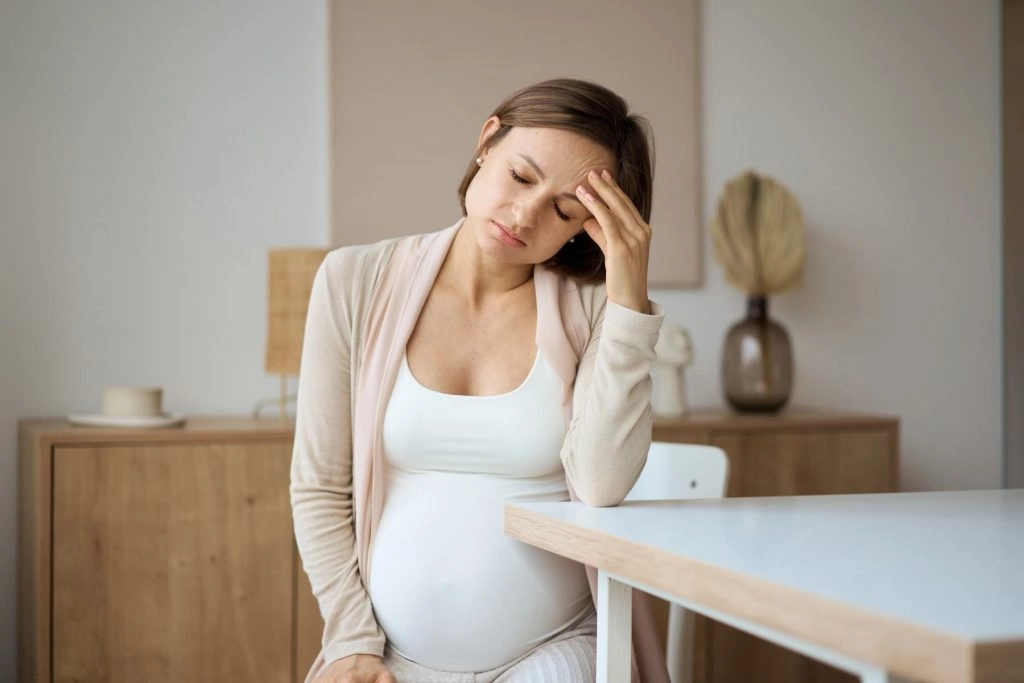
Daily Coping Strategies
Daily coping strategies work best when they are small and easy to do. You can spend time outdoors, eat regularly, relax before bed, and practice breathing exercises when you feel anxious. Gentle physical activity, if approved by your prenatal clinician, can help lower tension.
The 3 3 3 Rule for Anxiety
The 3 3 3 rule for anxiety is a grounding tool that helps in moments of worry or panic. You find three things to see, name three sounds, and move three parts of your body to reconnect with the present moment.
Pregnancy Anxiety at Night
Pregnancy anxiety often increases at night due to physical tiredness and fewer distractions. Worries about the baby’s health, labor, or finances may feel louder. A calmer evening routine, less screen time, and writing down your concerns before sleep can help reduce nighttime anxiety.
What Causes Anxiety During Pregnancy?
Prenatal anxiety can have many causes. Hormonal changes, physical discomfort, and stress during pregnancy can all increase anxiety. Some people have specific risk factors, such as a family history of anxiety disorders, including panic disorders, trauma, or relationship stress.
Hormonal and Physical Changes
Pregnancy affects sleep, appetite, and energy levels, which can, in turn, impact the nervous system. Rapid heartbeat, shortness of breath, dizziness, and muscle tension can feel frightening, even if they are caused by anxiety and not a medical emergency. If you have these physical symptoms, talk to your physician to rule out other causes.

Emotional and Life Stressors
Emotional stress, like worrying about parenting, money, or relationships, can raise anxiety levels. Stress and anxiety during pregnancy may become more intense when you don’t have enough support, which can turn everyday anxiety into a more pronounced mental health condition.
Anxiety After Miscarriage or Loss
Anxiety in pregnancy after a miscarriage or pregnancy loss is often more intense. The mind might keep focusing on the risk of loss or on the possibility of something bad happening. After a miscarriage, stillbirth, or traumatic birth, some people also experience symptoms of post-traumatic stress disorder.
First and Third Trimester Anxiety
First-trimester anxiety might focus on fears of miscarriage, body changes, or the uncertainty of pregnancy. Third-trimester anxiety might shift to concerns about labor, health complications, or how the baby is doing. Although the focus changes over time, anxiety often remains a concern.
Pregnancy Anxiety Symptoms
Anxiety during pregnancy can be emotional, physical, or both. Anxiety and depression during pregnancy can also occur together, making sleep and appetite harder to manage. This can overlap with broader patterns discussed in how to manage anxiety and depression.
Emotional and Physical Symptoms
Anxiety symptoms often include worry, racing thoughts, excessive fear, and difficulty relaxing. Physical symptoms include sweating, shaking, lightheadedness, and rapid breathing.
During panic attacks, these symptoms can feel overwhelming, but they should be assessed by a physician to rule out other causes. Understanding emotional and physical symptoms together helps identify anxiety more clearly and manage it more effectively.
How Anxiety in Pregnancy Is Diagnosed
A clinician diagnoses prenatal anxiety by looking at how long symptoms last, how strong they feel, and whether they interfere with daily life. Anxiety during pregnancy can look different from everyday stress, especially when it’s hard to control. Diagnosis depends on the overall pattern of symptoms, not just a single symptom.
Your doctor or therapist may ask about panic episodes, intrusive thoughts, past anxiety disorders, including depression, trauma history, and current stressors. They may also ask whether your symptoms are new, whether they got worse after pregnancy loss, or if anxiety and depression are present together. This helps separate stress from a more serious mental health condition.
The doctor will also rule out other conditions that can cause similar symptoms, such as sleep disruption or medical issues. This helps provide clear care for your symptoms.
Anxiety in Pregnancy: Treatment Options
Treatment depends on how severe your anxiety is, how long you’ve had it, and what has worked for you in the past. Mild anxiety may improve with self-care, while more severe anxiety often needs therapy. A personalized treatment plan is the best way to ensure proper care.

Natural Remedies for Anxiety During Pregnancy
Natural remedies, like better sleep habits, relaxation techniques, reduced caffeine intake, regular meals, and physical activity, can help reduce anxiety. They work best when you track your symptoms and notice what helps or worsens them.
Therapy and Professional Support
Therapy can help you understand your anxiety and the underlying causes, and working with an anxiety therapist in NYC may be part of that support. Cognitive behavioral therapy (CBT) is commonly used because it helps identify and challenge negative thought patterns. Other therapies, like psychoanalysis, can explore deeper issues related to trauma, attachment, and emotional patterns.