
Anxiety can affect mental health and the body at the same time. It can shape thoughts and emotions in ways that feel hard to control.
Brainspotting therapy for anxiety is a clinical method that helps people access and process distress held in the brain and body. It uses eye position to link inner experiences with brain regions involved in emotional regulation.
Key Takeaways
- Brainspotting therapy for anxiety uses eye positioning to help access and process stress held in the brain and body, not only talk.
- The approach is often used when anxiety continues despite traditional talk therapy and focuses on gradual emotional regulation.
- Brainspotting sessions may include body or emotional sensations that are treated as useful signals and guided with care.
- Current evidence includes clinical experience and early research, with limits clearly noted.
- Brainspotting is usually part of broader mental health care and depends on individual clinical assessment.
Does Brainspotting Help With Anxiety?
Brainspotting for anxiety helps people notice and work with inner responses linked to distress, often alongside care from an anxiety therapist in NYC.
The goal is not to stop anxiety right away. The focus is on understanding how anxiety lives in the nervous system. Symptoms such as panic attacks or avoidance may link to earlier experiences. Physical symptoms should always be checked by a physician.

How brainspotting targets anxiety
Brainspotting anxiety work focuses on how the brain reacts to stress. Eye positioning helps find visual points tied to inner activation.
These points often connect to how the subcortical brain stores responses from traumatic experiences. Staying with these responses can support the release of stored tension.
The therapist’s role during eye positioning
During eye positioning, the therapist watches posture, breathing, and emotional signals. The therapist may shift the visual focus or guide attention to a sensation that feels manageable.
Talking is limited to support emotional regulation. This helps support access and process work without pushing content.
Brainspotting and nervous system response
Anxiety involves heightened alertness in parts of the brain tied to survival. Brainspotting draws attention to body sensations linked to these brain areas. This helps connect thoughts and emotions with physical signals. Over time, this may support calmer emotional regulation.
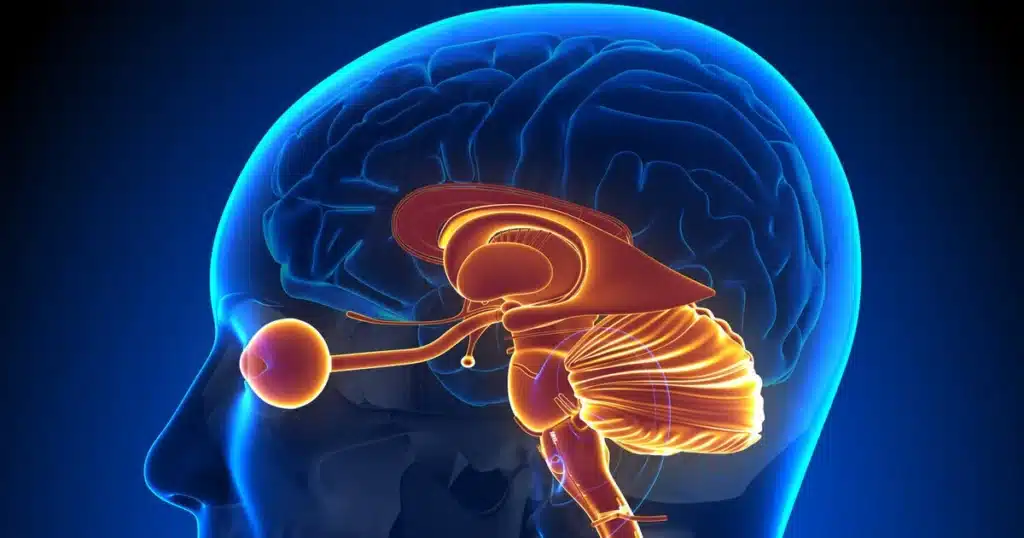
What you may notice during a brainspotting session
Many people notice body sensations before clear thoughts. These may include muscle tension, breathing changes, or warmth in parts of the body. Some feel emotional shifts without a clear story. These reactions are treated as signals from the brain and body, not problems to fix.
What Is Brainspotting Therapy Used For?
Brainspotting therapy is used for several mental health concerns. It is often combined with other therapy models instead of used alone. The approach accepts that some experiences are stored outside words.
Brainspotting treatment for anxiety
Brainspotting treatment for anxiety may help when symptoms continue despite traditional talk therapy. This includes generalized anxiety, social anxiety disorder, and other types of anxiety disorders linked to traumatic memories.
The focus is on helping clients access and process inner material at a steady pace. Sessions are structured to support safety.
Brainspotting therapy for depression
Brainspotting therapy for depression may focus on emotional numbness or unresolved loss. Anxiety and depression often affect similar parts of the brain. The approach supports inner awareness rather than analysis alone.
It is often combined with Cognitive Behavioral Therapy, psychoanalysis, and the psychodynamic approach.
Does Brainspotting Therapy Really Work?
It is reasonable to ask if brainspotting works. Responsible care requires honesty about limits. Brainspotting offers a framework, not a promise.
What current research shows
Research on brainspotting includes small studies and clinical observation. Findings suggest changes in how the brain and body respond to stored stress. These findings are early and not final. Research is ongoing.
Understanding the current evidence base
Evidence includes case reports and patterns seen in practice. Research suggests changes in emotional regulation, though large trials are limited. Clinicians separate early research from long-term experience. This helps keep expectations realistic.
Clinical outcomes and limits
Some people report better awareness of inner responses. Others may find the approach difficult or unhelpful. Brainspotting works best as part of a wider treatment plan. Limits should be discussed before starting.
How Long Does Brainspotting Take to Work?
The timeline differs for each person. Factors include symptom severity, traumatic memories, and support systems. Therapy does not follow a fixed schedule.
Early changes vs long-term progress
Some notice early changes in body awareness. Others see slower shifts as the brain and body adjust. Long-term progress depends on consistency and guidance. Expectations should remain personal.
Brainspotting vs EMDR for Anxiety
Brainspotting and EMDR both use eye focus but work in different ways. Each uses a different method to access and process material. The choice depends on clinical needs.
A qualified clinician helps determine what best fits, and it is important to note that Anat Joseph does not provide EMDR as part of her clinical practice.
Key differences in approach
EMDR follows a structured sequence with bilateral stimulation. Brainspotting uses steady eye positioning and inner tracking. Both may be used in responsible care. Preference varies by person.
Which therapy fits anxiety needs
Brainspotting may suit people who experience anxiety mainly through body sensations rather than clear thoughts. It allows flexible pacing and focuses on how the brain and body respond in the moment. EMDR follows a structured sequence that may appeal to people who prefer clear steps and external guidance.
A clinician assesses symptoms, history, and tolerance for emotional activation to determine the most appropriate approach. Summary comparison for anxiety-focused care
Brainspotting Risks and Downsides
All therapy methods involve risk. Brainspotting risks mainly involve emotional intensity. These should be discussed before treatment, often with a doctor for anxiety disorders.
Emotional intensity and safety
Focusing inward can raise emotional intensity. Sessions must move at a careful pace. Therapists watch for overwhelm and adjust. Safety planning is essential.
Who should proceed with care?
People with severe instability may need other care first. Assessment helps decide readiness. Brainspotting should be performed only by trained professionals. Clear limits protect well-being.
Common concerns explained
Concerns often involve limited research or unfamiliar methods. Brainspotting does not replace established care. It builds on observed brain and body responses. Clear information supports trust.
How clinicians assess credibility
Clinicians review training, ethics, and outcomes. Brainspotting requires formal certification. Ongoing education supports accountability. Credibility depends on proper use.
Training the Brain for Anxiety Relief
Managing anxiety means learning new responses to inner signals. Therapy supports this along with daily tools. Brainspotting and self-regulation work together.
Brainspotting and self-regulation
Repeated sessions may improve awareness of thoughts and emotions. This can support natural healing in the nervous system. Cognitive Behavioral Therapy, psychoanalysis, and the psychodynamic approach often support this work, along with guidance on how to manage anxiety and depression. Integration strengthens care.
Where the 3-3-3 rule fits
The 3-3-3 rule can help with daily regulation. It supports acute anxiety outside sessions. It does not replace therapy. Using tools together supports flexibility.