


Psychotherapy for self-harm is a type of mental health treatment that helps people understand why they feel the need to hurt themselves and how to manage those urges in safer ways. This type of care focuses on the reasons harm behaviors develop and how healthier responses can be learned over time. Psychotherapy for self-harm often addresses emotional distress, difficulty with emotion regulation, and underlying psychiatric disorders. Licensed clinicians such as Anat Joseph approach this work with careful assessment, clear structure, and strong attention to safety.
People who seek therapy for self-harm often feel confused, ashamed, or frightened by their own behavior. Many people who self-harm worry that others will judge them, misunderstand their intentions, or try to force them to stop before they feel ready. Some fear losing control over their treatment or being punished for their actions. Psychotherapy offers a safe and structured space where these fears can be talked about openly and without pressure.
The goal of therapy is not control or punishment. Therapy focuses on understanding, stability, and informed care. Over time, people learn how self-harm develops, what triggers it, and what helps reduce the risk. This process supports safer choices and long-term change, even when progress feels slow.
Psychotherapy also helps people feel less alone. Many individuals who self-harm believe they are the only ones who struggle this way. Therapy helps normalize emotional pain while still addressing safety. This balance is an important part of care.
Key Takeaways
- Therapy for self-harm helps people understand why they hurt themselves and learn safer ways to cope with emotional pain.
- Self-harm often happens when emotions feel overwhelming, not because someone wants to die.
- Therapies such as cognitive behavior therapy (CBT) and dialectical behavior therapy (DBT) teach practical coping skills that reduce harmful behaviors.
- Treatment for teens focuses on safety and often includes family members to improve support and communication.
- Effective care puts safety first and involves trained mental health professionals who understand self-harm and suicidal behavior.
Why do people need psychotherapy?
Psychotherapy for self-harm is a structured form of therapy that helps people reduce dangerous behaviors and build safer coping skills. It involves regular meetings with mental health professionals who assess emotions, triggers, and risk. Many people engaged in self-harm describe feelings that feel too intense or painful to manage on their own.
This treatment applies to nonsuicidal self-injury (NSSI) and to situations where suicidal thoughts or suicidal behavior may be present. Therapy does not assume that self-injury means someone wants to die or attempt suicide. Instead, it views self-harm as a coping response to distress. The focus remains on safety, understanding, and skill development over time.
Psychotherapy is most effective when sessions are held regularly. Consistency helps build trust between the client and therapist. Over time, people feel more comfortable sharing thoughts and feelings they may have hidden for years. This trust supports honest conversation and progress.
Therapy also helps people name emotions that once felt confusing or overwhelming. Many people who self-harm were never taught how to identify or express feelings. Learning emotional language can reduce the need for injurious behaviors. This step is often slow, but it is an important part of healing.
Why Self Harm Occurs?

- Self-harm behaviors often develop as a way to cope with severe emotional pain, not as a desire to end life. Many people feel shame, anger, fear, sadness, emptiness, or emotional numbness. When these feelings feel unbearable, self-harm may seem like the only way to get relief.
- Self-harm can bring short-term relief or a sense of control. This relief does not last, but it teaches the brain that the behavior works in the moment. Over time, the brain learns to repeat the behavior in response to stress. This is why self-harm can become automatic.
- Self-harm often occurs alongside mental health conditions such as depression, anxiety, trauma-related psychiatric disorders, and personality disorders. Borderline personality disorder is one condition where self-injury may occur more often. In these cases, emotions may shift quickly and feel very intense.
- Many people who self-harm struggle with emotion regulation. Emotions may rise suddenly and feel impossible to control. Without healthy coping skills, injury behaviors can become a way to manage pain. Therapy focuses on building those missing skills.
- For some people, self-harm begins during periods of stress, loss, or relationship conflict. For others, it starts earlier in life and continues over time. Childhood experiences can shape how emotions are handled. Psychotherapy helps explore these patterns safely and without blame.
How Psychotherapy Helps Reduce Self-Harm
Psychotherapy helps people notice emotions, thoughts, and situations that increase the urge to self-harm. Therapy encourages awareness before injury behaviors begin. This early awareness creates time to choose a safer response.
Treatment focuses on learning coping skills that replace harmful actions. These skills help calm the body and mind. They also support emotion regulation and stress management. Over time, people practice healthy coping rather than resorting to injury.
Therapy also addresses thinking patterns that increase risk. These may include harsh self-judgment, hopeless thoughts, or black-and-white thinking. For people with suicidal thoughts, therapy helps separate emotional pain from action. This reduces impulsive behavior and supports safety.
As skills improve, individuals often feel greater control over their responses. Urges may still appear, but they feel less intense. Therapy does not promise that urges will disappear completely. Instead, it teaches how to respond safely when urges arise.
Many people seek information on clinical depression psychotherapy to understand evidence-based approaches for treatment and what to expect from therapy.
Treatment Approaches for Self-Harm
Several therapy models are used to treat self-harm. The choice depends on symptoms, safety needs, and personal history. Cognitive behavior therapy (CBT) is one common approach.
CBT helps people understand how thoughts, feelings, and behaviors are connected. It teaches practical tools for coping and problem-solving. Many people find CBT helpful for managing urges and negative thinking.
Dialectical behavior therapy (DBT) focuses on emotion regulation, distress tolerance, and relationship skills. DBT is often used with people who self-harm frequently or who have borderline personality disorder. This therapy teaches skills step by step and encourages regular practice.
Psychodynamic psychotherapy explores emotional meaning and early life experiences. It helps people understand why certain emotions feel overwhelming. This approach supports deeper insight into injury behaviors.
Some people use a mix of therapy approaches. Treatment can change as needs change. Safety always guides decisions.
Treatment for Self-Harm in Teenagers
Treatment for self-harm in adolescents considers age, development, and family life. Teens may struggle to explain emotions clearly. They may not understand the long-term risks of injury behaviors.
Therapy helps adolescents learn to name emotions and handle stress. Learning coping skills early can reduce harmful behaviors later in life. Sessions often focus on emotion regulation and communication skills.
Family members play an important role in adolescent treatment. Parents may feel scared, confused, or unsure how to respond. Therapy helps families support safety without blame or punishment.
Therapists may work with schools or medical providers to support care. This teamwork improves consistency across settings. The goal is to create a safer environment for the adolescent.
Safety, Risk, and Priority Intervention
Safety assessment is a core part of psychotherapy for self-harm. Clinicians review how often injury behaviors occur and how accessible means are. They also assess suicidal behavior and suicidal thoughts.
When risk rises, priority interventions focus on protection and stability. These may include safety plans, more frequent sessions, or added support. The goal is to reduce danger while continuing therapy.
In some cases, psychiatric care or crisis services are needed. Suicidal thoughts or plans change the level of care required. Mental health professionals monitor risk often and adjust treatment as needed.
Safety planning is a shared process. Clients and therapists collaborate to identify warning signs and coping strategies. This planning supports responsibility and trust.
What to Expect from Psychotherapy
Psychotherapy for self-harm takes time. Early sessions focus on personal history and current stress. Building trust does not occur immediately.
Progress often includes good days and hard days. This does not mean therapy is failing. It shows how difficult it can be to change long-term coping habits.
Over time, therapy strengthens coping skills and emotion regulation. Treatment length depends on the severity of the condition, support systems, and mental health conditions. Regular sessions support progress.
Therapy includes regular review. Clinicians check safety, goals, and progress. Treatment changes as needs change.
Finding the Right Mental Health Professional
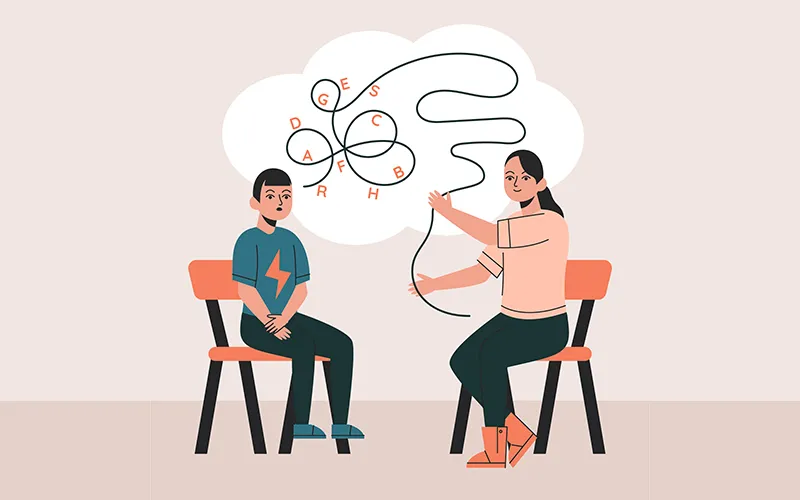
Good treatment depends on working with trained mental health professionals. They should understand self-harm, suicidal behavior, and injury behaviors. Training supports safe and ethical care.
The therapist relationship matters. Feeling respected helps people speak honestly. A good fit supports progress.
Licensed providers such as Anat Joseph bring clinical training that supports careful assessment and ethical care. Choosing a professional who understands both risk and recovery supports informed treatment.
Practical issues also matter. Scheduling, location, and access affect consistency. Therapy is most effective when sessions are regular.
If you or someone you care about struggles with self-harm, reaching out to a qualified mental health professional can help. Schedule a consultation. A trained clinician can assess the situation and explain safe and appropriate treatment options.
