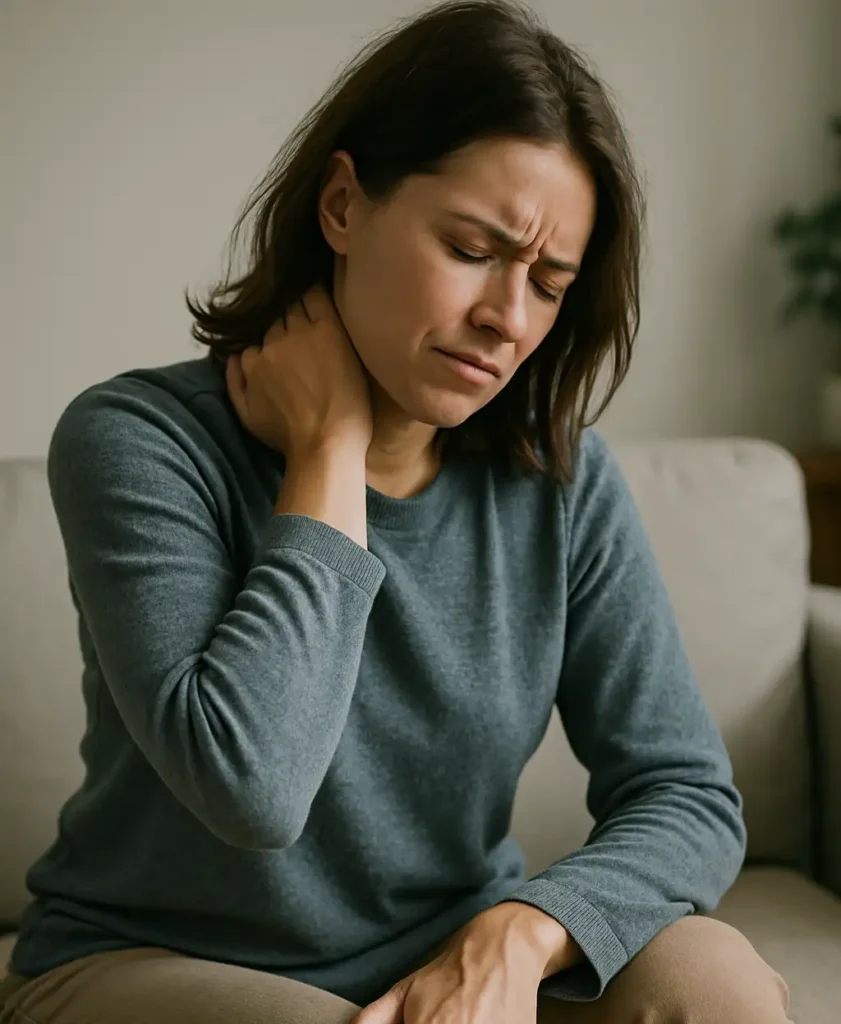
Depression affects more than mood. Many people wonder, can depression cause body aches and pains?
According to Anat Joseph, LCSW, PsyA, a licensed psychoanalyst and therapist in New York and New Jersey, the answer is yes. Physical symptoms like pain can be a direct expression of emotional distress.
What You’ll Learn
- How depression causes physical pain
- What symptoms to look for
- When to seek help
- Treatment options that help both the mind and body
Physical Symptoms of Depression and Anxiety
Depression can show up in the body before it’s recognized emotionally. Common physical symptoms of depression include:
- Fatigue
- Muscle stiffness
- Headaches
- Digestive discomfort
These symptoms, including joint pain or stomach issues, often result from how the central nervous system processes pain.
For some people, the aches can be so intense that they ask, Can depression make your body hurt even without any physical injury? The answer is yes.
What Does Depression Pain Feel Like?
Depression-related pain may feel dull or deep and often shifts across the body. Studies have shown it can resist standard treatments.
It may affect:
- Back
- Shoulders
- Neck
- Arms or legs
You may be experiencing depression-related pain if:
- Pain has no apparent cause
- You also feel sad or anxious
- Pain worsens with mood
- Pain worsens with mood
Can Depression Make Your Whole Body Ache?
Yes. Depression affects brain chemicals like serotonin and norepinephrine, disrupting both mood and physical sensation.
One study showed that over 65% of people with depression report ongoing discomfort from neurotransmitter imbalances.
Researchers suggested that this dysregulation can lead to widespread pain that impacts daily life.
Can Depression Make You Feel Sick and Weak?
Depression impacts energy and strength. Weakness can result from poor sleep, appetite, or inactivity.
It also affects the digestive system, causing:
- Nausea
- Cramps
- Appetite changes
These physical effects are more than just side effects—they may be a sign of depression and should not be ignored.
What Are the Symptoms of Depression in a Woman?
Women often report:
- Headaches
- Chest tightness
- Joint pain
- Fatigue
- Stomach problems
This symptom pattern is well-documented. Hormonal shifts and life stressors can make physical discomfort more common in women experiencing depression.
Pain Types Linked to Depression
Can Depression Cause Joint and Muscle Pain?
Yes. Can depression cause joint pain, or does depression cause joint pain? These are common questions. Emotional stress and low physical activity levels contribute to stiffness.
Over the long term, this can lead to chronic discomfort that interferes with daily routines.
Can Depression Cause Stomach Issues or Nausea?
Depression disrupts the gut, causing:
- Bloating
- Nausea
- Constipation
These digestive issues may also signal deeper health problems tied to emotional stress.
Depression and Chest Pain: Causes and Symptoms
Chest pain may feel like:
- Tightness
- Pressure
- Dull discomfort
Often linked to anxiety or shallow breathing.
What Parts of the Body Are Affected by Depression?
Common areas include:
- Head
- Neck
- Chest
- Stomach
- Joints
- Spinal cord pain centers
These physical effects often go untreated, which can lower one’s overall quality of life.
Why Depression Causes Physical Pain
Brain and Nervous System Changes
The central nervous system may misinterpret pain. Disruptions in serotonin and norepinephrine increase pain perception.
How Depression Alters Pain Sensitivity
Changes in brain chemicals heighten sensitivity. Overactive pain centers deepen the physical burden.
Understanding Depression and Chronic Pain
Depression and chronic pain can worsen each other. Both increase vulnerability to the other. Chronic pain is also a known risk factor for developing depressive symptoms.
Can Depression Cause Aches Without Injury?
Yes. It reflects a chemical imbalance. Recognizing this leads to better care.
Is It Depression or a Physical Condition?
If medical tests show nothing, persistent pain may signal depression.
Managing Physical Pain from Depression
How to Get Rid of Body Aches from Depression
Try:
- Natural remedies for depression, anxiety & stress such as regular physical activity
- Relaxation
- Better sleep
- Balanced meals
- Therapy
Anat Joseph notes that body and mood improve together.
What Calms Down Depression and Pain?
Effective methods:
- Cognitive behavioral therapy (CBT)
- Mindfulness
- Breathing techniques
- Routine
- Support systems
For those experiencing overwhelming thought patterns, learning how to stop intrusive thoughts and regain control can support recovery.
Treatments That Target Both Mood and Pain
Some antidepressant medications help regulate serotonin and norepinephrine to reduce pain and improve mood.
Therapy, Medication, and Self-Care Tools
Best outcomes come from:
- Therapy
- Medication
- Daily self-care
Anat Joseph emphasizes treating depression by addressing both emotional and physical symptoms. Additional strategies on how to manage anxiety and depression symptoms may also enhance results.
How Long Do Depression Body Aches Last?
Relief varies. Some people feel better in weeks, while others require more time.
When to Seek Help
Warning Signs You Shouldn’t Ignore
See a professional if you notice:
- Persistent pain
- Appetite or sleep changes
- Low energy
- Sadness over two weeks
- Daily functioning issues
Who to Talk to for Physical and Emotional Symptoms
Contact licensed professionals. Anat Joseph, LCSW, PsyA, supports people using practical, psychoanalytic methods.
If you’re experiencing physical pain that may be linked to depression, consider scheduling an appointment with Anat Joseph to receive thoughtful, personalized care.
Because Your Happiness Matters