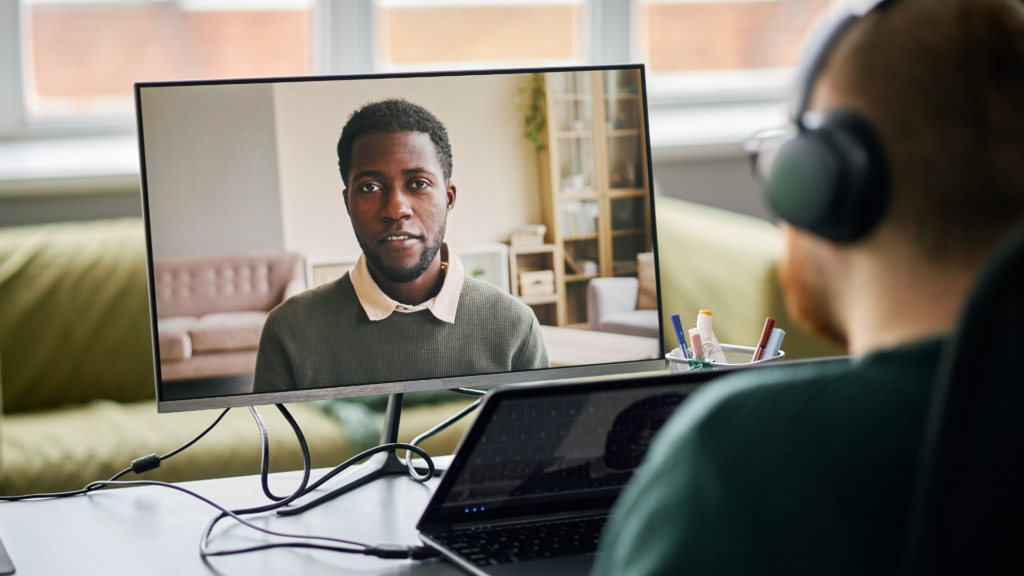
Online therapy sessions are structured meetings with a licensed mental health professional that take place by video, phone, or secure messaging.
They often follow the same basic goals as in-person therapy, including assessment, emotional support, and treatment planning, but the setting is remote.
For many people, online therapy sessions offer a practical way to access mental health care from home or another private space.
Anat Joseph, LCSW, PsyA, is a licensed clinical professional whose work reflects a careful, individualized approach that also applies to remote treatment.
How Does Online Counseling Work?
Yes, you can talk to an online therapist if the provider is licensed to work in your state and offers remote care. Online counseling usually begins with intake forms, a brief history, and a scheduled session through a secure platform.
The process is designed to support mental health services in a format that is easier for many people to access. A responsible provider should explain the treatment format, privacy practices, and limits of online care before sessions begin.
What Does Virtual Therapy by Video or Phone Look Like?
Virtual therapy can occur via video sessions, secure messaging, or phone calls, depending on the provider and treatment model.
Video often feels closest to in-person treatment because it allows the therapist to observe tone, pace, and facial expression.
Phone calls may help some people feel more at ease, especially if internet connection issues make video calls harder. Each format can support mental health care, but the right choice depends on privacy, comfort, and clinical need.
You may also want to read: Online Therapy for Anxiety
Are Online Therapy Sessions Effective?
When Does Teletherapy Work Well? Teletherapy can work well for anxiety, depression, stress, life transitions, and many relational concerns.
It may also help people who need flexible scheduling, have limited local access, or feel more comfortable speaking from home.
The quality of treatment still depends on the therapist’s training, the treatment approach, and the consistency of the work. Effectiveness also depends on whether the person’s needs match what remote care can reasonably support.
You may also be interested in: Psychoanalysis Online Therapy: How It Works
When May In-Person Care Help More?
In-person care may be more helpful when someone needs closer observation, more intensive support, or a setting free from home distractions.
It may also be a better fit when privacy is limited, symptoms are severe, or technology becomes a barrier. Remote treatment is useful, but it is not the right format for every situation.
For urgent safety concerns or a severe escalation of symptoms, a higher level of care may be more appropriate.

When Might Online Therapy Not Be Enough?
Online care may not be enough when someone is in crisis, needs emergency support, or cannot safely manage symptoms between sessions.
You may also be interested in: How to Find the Best Online Couples Therapy
How Much Is Online Therapy Per Session?
The cost of online therapy varies by provider, license type, session length, and whether insurance applies. Some practices accept insurance, while others are private pay, and fees may start at 200 USD per session.
It is helpful to ask in advance about session fees, cancellation rules, and whether mental health services are reimbursed. If you are looking at online therapy platforms, check whether they bill insurance directly or provide out-of-network paperwork.
Can I Talk to a Therapist Online for Free?
Free support may exist through crisis lines, nonprofit programs, school services, or limited chat-based tools, but these are not always full therapy.
Some online therapy platforms also offer lower-cost plans, though the level of care may differ from private psychotherapy. It is important to ask whether the service includes licensed therapists, scheduled care, or only brief support.
How Do I Choose an Online Therapist?
It helps to ask what concerns the therapist treats, what format they use, and how often sessions usually occur. You can also ask whether they use Cognitive Behavioral Therapy, psychoanalysis, the psychodynamic approach, or another model.
These questions help clarify whether the provider’s style fits your needs. It also helps to ask how communication works between sessions and what happens if technology fails.

Are Online Therapy Platforms Private?
What Privacy Protections Matter?
Privacy depends on the platform, the provider, and the way the session is handled. Secure systems, informed consent, and clear privacy policies are basic parts of responsible mental health care.
It is also wise to take sessions in a private room and use headphones when possible. A provider should explain how records, communication, and confidential information are handled.
How Do State Rules Affect Provider Access?
Licensure rules often affect who can treat you online because providers usually need permission to practice in the client’s location.
This is one reason an online therapist may ask where you live at the start of treatment. Access can also change if a person moves or travels across state lines.
What Types of Virtual Mental Health Providers Are There?
You might be asking: What is the Difference Between an Online Psychologist and a Therapist?
An online psychologist is a psychologist who provides care remotely and may focus on assessment, psychotherapy, or both, depending on training and license.
A therapist is a broader term that can include licensed clinical social workers, counselors, marriage and family therapists, and psychologists.
Licensed therapists and psychologists may both provide treatment, but their training paths differ. Understanding these roles can help you choose the kind of support that fits your needs.
What Will the Therapist Usually Ask?
The first session often focuses on why you are seeking help, what symptoms or concerns are present, and what you hope to understand or change. A therapist may ask about relationships, stress, mood, history, and daily functioning. The goal is to form an early picture of your needs and decide how treatment should begin. A licensed clinician may also explain consent, scheduling, privacy, and whether remote care appears appropriate.
What Are the Main Pros and Cons?
- The main benefits include:
- Convenience
- Easier access
- More flexibility in how sessions happen.
What Are the Main Limits?
The main limitations include privacy concerns at home, technological issues, and reduced suitability for crisis care or more complex situations.
Online treatment can be helpful, but its value depends on the person, the provider, and the clinical need. A clear understanding of both strengths and limits supports better treatment decisions.
Because Your Happiness Matters, consider scheduling an appointment.