
Find the Best Therapists in New York City
Finding the right therapist in New York City should not take months. My Psychotherapy is a private practice led by Anat Joseph, LCSW, PsyA, offering in-person psychotherapy in NYC and online sessions across New York and New Jersey.
With over 20 years of clinical practice, Anat works with adults, teens, and couples on anxiety, depression, trauma, life transitions, and long-term personal growth. Sessions are one-to-one with Anat herself, not a rotating team, which means the person you meet at your consultation is the person you work with.
If you are searching for therapists in NYC and want to know whether this is the right fit before committing, the first step is a free introductory consultation.

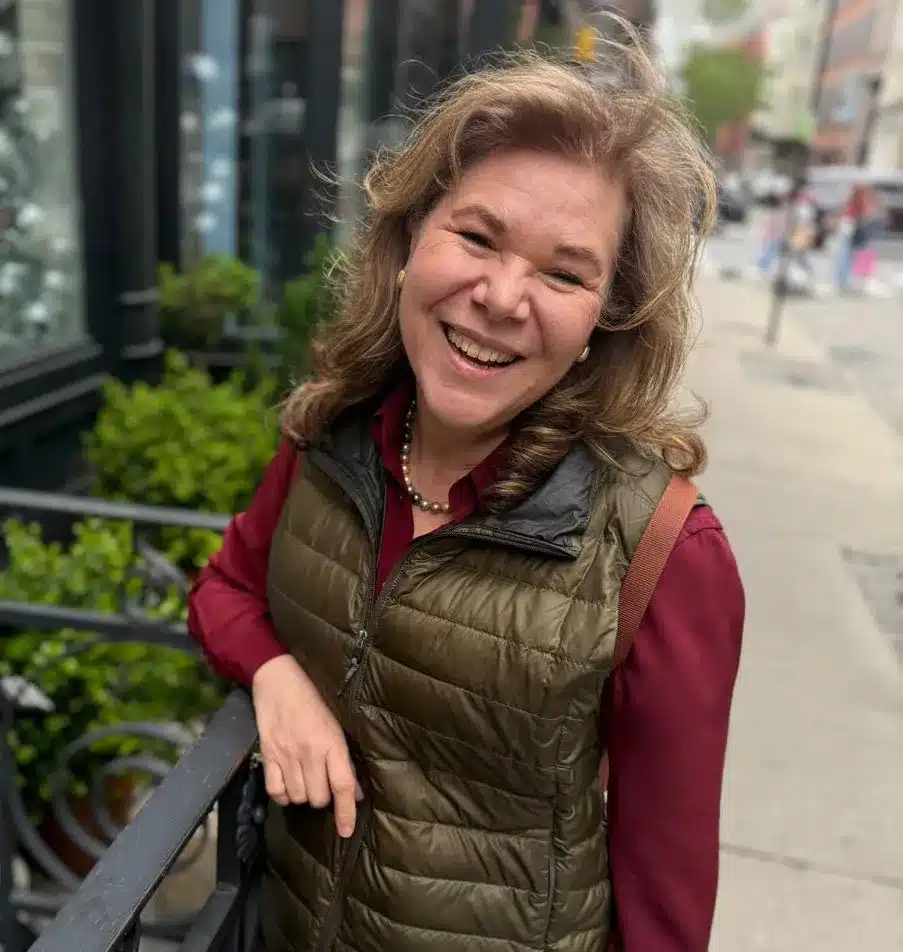
MEET OUR LEAST THERAPIST:
Anat Joseph LCSW, PsyA
Our Psychotherapy Specialties in NYC
My Psychotherapy provides NYC psychotherapy across a defined set of clinical areas rather than treating everything. Anat’s core work is with anxiety, depression, trauma, and the relational patterns underneath them.
For anxiety, that includes generalized anxiety, panic, and social anxiety, alongside the work stress that brings many New Yorkers into therapy for the first time. For mood and life-stage concerns, the practice covers depression, postpartum adjustment, infertility, and the grief that follows a breakup or a divorce.
Anat also works with teens and young adults navigating school pressure and identity, and with parents through parenting support. Sessions are available for adults on the Upper West Side, Upper East Side, and Midtown, and for anyone in New York or New Jersey by video.
Anxiety Therapy in NYC
Anxiety is the most common reason people contact this practice. That covers generalized anxiety that runs as constant background noise. Panic attacks that arrive without warning, social anxiety that makes work events and dating exhausting, and the specific NYC version where career pressure and cost of living keep the volume permanently up.
Treatment typically combines near-term tools with longer-term work. Cognitive and behavioral techniques target the avoidance and catastrophic thinking maintaining the anxiety now. Psychodynamic work addresses what the anxiety is organized around, which matters when symptoms keep returning in new forms after they have been managed once.
If you are looking for the best psychotherapist for anxiety in NYC, ask specifically about experience with your presentation. Panic, social anxiety, and health anxiety respond to different emphases even within the same broad approach.
Depression Therapy in NYC
Depression does not always look like sadness. It often shows up as flatness, difficulty starting things you used to want to do, irritability, sleep that is either too much or not enough, and a sense that effort has stopped producing results.
Working with a depression therapist in NYC generally starts with stabilizing the daily pattern — sleep, activity, the withdrawal that makes depression self-reinforcing — and then moves to what is underneath. For some clients that is grief that was never processed. For others it is a long-standing self-critical stance that predates the current episode.
Depth Therapy and Intensive Psychotherapy in NYC
Most therapy in New York is weekly and short-term by design. Some concerns do not resolve that way. Depth therapy in NYC means longer-arc psychoanalytic work aimed at the structure underneath recurring problems rather than the current episode of them.
Intensive psychotherapy usually means meeting more than once a week. Two or three sessions weekly changes what is possible — continuity between sessions is stronger, material that surfaces does not have a week to settle back down, and the work moves faster on patterns that weekly therapy tends to circle.
This is appropriate for people who have done therapy before and found it useful but incomplete, for long-standing relational patterns, and for complex trauma. It is not the default here, and it is not right for everyone. If you are unsure whether weekly or intensive work is a good fit, that is a reasonable question for the consultation.

Online and In-Person
Therapy in NYC
For those seeking flexibility, online therapy has become an accessible alternative to traditional in-person sessions. Many therapists in New York offer online appointments, allowing people to get help from the comfort of their homes.
Research on teletherapy has found video sessions comparable to in-person work for common concerns like anxiety and depression, though some people simply focus better in a room. Many New York therapists now offer both, and you do not have to choose permanently. Clients here regularly move between formats depending on travel, weather, and schedule.
Emotional Well-Being &
Personal Growth in NYC
Therapy offers individuals a path to better emotional health and self-discovery. Working with a skilled NYC Psychotherapist can help address stress, anxiety, and past experiences that impact daily life.
A structured therapy session provides the tools to build resilience and improve overall well-being.Talk therapy sessions focus on fostering self-awareness and developing healthier coping mechanisms. Cognitive behavior therapy often focuses on recognizing harmful thought patterns and developing strategies to navigate challenges effectively.
Whether you are dealing with a significant life transition, self-doubt, or ongoing emotional distress, working with a psychotherapist in NYC gives you a structured place to work through it rather than around it.
How to Choose a
Therapist in New York

Experience and Credentials:
A licensed therapist in New York holds a state license, and you can verify it. New York publishes license status through the Office of the Professions, and it takes about a minute to check any therapist’s name. Beyond the license, ask what specific training a therapist has in the thing you are bringing them. A clinician who has treated panic disorder for fifteen years is not interchangeable with one who covers it as part of a general caseload.

Therapeutic Approach:
CBT and psychodynamic therapy answer different questions. CBT is structured, present-focused, and works on the thoughts and behaviors maintaining a problem now, which suits panic, phobias, and OCD well. Psychodynamic and psychoanalytic work is less structured and asks where a pattern originated, which suits recurring relationship difficulties, long-standing low mood, and the sense that the same problem keeps arriving in different clothes. Neither is better in the abstract. Ask a prospective therapist which they use and why they think it fits what you described.

Comfort and Compatibility:
The strength of the working relationship is one of the more consistent predictors of whether therapy helps, across modalities. That is not a soft observation, it is the practical reason a consultation exists. After a first conversation, notice whether you felt understood rather than assessed, and whether you would be willing to say something embarrassing to this person.

Insurance and Payment Options:
Ask three things before the first session: the fee, whether the therapist is in network with your plan, and if not, whether they provide a superbill for out-of-network reimbursement. Many New York plans reimburse a meaningful share of out-of-network therapy, but you have to file.


Understanding Therapy
Costs in NYC
What Is the Average Cost of Therapy in NYC?
The cost of therapy in New York City varies based on the therapist’s experience, session length, and location.
Therapy sessions cost an average of $200 to $300 per session. Some therapists offer sliding-scale pricing based on financial need.
How Much Does Therapy Cost in NYC?
Factors affecting therapy costs include:
- Therapist Credentials: Licensed professionals with specialized training may charge higher fees.
- Session Type: Online therapy may be more affordable than in-person sessions.
- Insurance Coverage: Some insurance plans cover therapy, reducing out-of-pocket expenses.
Is $200 a Lot for Therapy?
While $200 per session may seem high, it reflects professional expertise and personalized care costs.
Many therapists offer flexible payment options, making therapy accessible to more individuals.
Types of Licensed
Therapists in NYC
Therapists in NYC hold various licenses, including:

LCSW (Licensed Clinical Social Worker):
Specializes in mental health therapy and counseling.

LMHC (Licensed Mental Health Counselor):
Focuses on various mental health issues.
In the Press





Real Reviews, Real Results

 Autumn Anthony
Trustindex verifies that the original source of the review is Google.
I’ve been working with Anat Joseph for several months. She is an excellent listener, asks the right questions, and really helps me understand myself better. I feel calmer, more grounded, and more hopeful since starting therapy with her. Alexandra SternI value that Anat Joseph brings an inclusive and multicultural perspective to her practice. She makes every client feel understood and respected, no matter their background.
 DI was nervous about starting therapy, but Anat Joseph made the process so easy. She is warm, non-judgmental, and truly cares about her clients. Highly recommend her.
 Mstr Martian10/10 experience with Anat Joseph. She is professional, warm, and made me feel supported every step of the way. I’ve never felt judged, only understood.
Frequently Asked Questions About Therapy in NYC
How do I find the best therapist in New York City for me?
Start by narrowing on the concern rather than the credential. Look for a therapist with specific experience in what you are bringing, check that the license is current through the NYS Office of the Professions, confirm the logistics are sustainable — location, time of day, fee — and then take a consultation. Most practices in New York offer one. How the consultation feels is real information, not a formality.
How much does therapy cost in NYC?
Private-practice sessions generally run $200 to $300. Initial Consultation is $70.
Do you offer online therapy?
Yes. Video sessions are available to anyone located in New York State or New Jersey, where Anat is licensed. Many clients alternate between in-person and online depending on their week.
What is the difference between a psychotherapist and a psychiatrist?
A psychotherapist provides talk therapy. A psychiatrist is a physician who can prescribe medication and may or may not also provide therapy. Some people work with both.
How long does therapy take?
It depends on what you are working on. Focused work on a specific symptom can move in a few months. Long-standing patterns, complex trauma, and character-level change take longer, which is what intensive and depth work is designed for. Anat will give you an honest read at the consultation rather than an open-ended answer.
Do you work with teens and couples?
Yes. Please review our Online Couples Therapy page and our article on Online Therapy for Teen Depression.
Written by SSinvent and reviewed by Anat Joseph, LCSW, PsyA. Last reviewed in August 2026. The content on this page provides general information about psychotherapy in New York City and is not a substitute for an individual clinical assessment, diagnosis, or treatment.If you are in crisis or thinking about harming yourself, call or text 988 to reach the 988 Suicide & Crisis Lifeline, available 24/7. New York City residents can also contact NYC 988 for free, confidential support and referrals.
Schedule Your
First Session
The first contact is a 70 usd introductory consultation, not a session. The purpose is to describe what is going on, hear how Anat would approach it, and decide whether to continue. There is no obligation and no charge.
Before the consultation, it helps to have rough answers to three questions: what brought you to look now rather than six months ago, what you have already tried, and what would be different if this worked. You do not need polished answers. Having thought about them makes the conversation more useful.
If you decide to go ahead, the first full sessions focus on history and goals, and the working plan takes shape from there rather than being handed to you.